
Sung-mi Kim and Korea's Hand-Sewn Legacy
Sung-mi Kim's Sensitive Thread
In Seoul, for over fifteen years, Sung-mi Kim has been undertaking work of rare precision, at the crossroads of ancient gestures and a profoundly personal sensibility. Trained in carpentry during her studies, she then initiated herself into sewing in Japan, where she lived for three years before returning to Korea to study with a professor specializing in traditional Korean techniques.

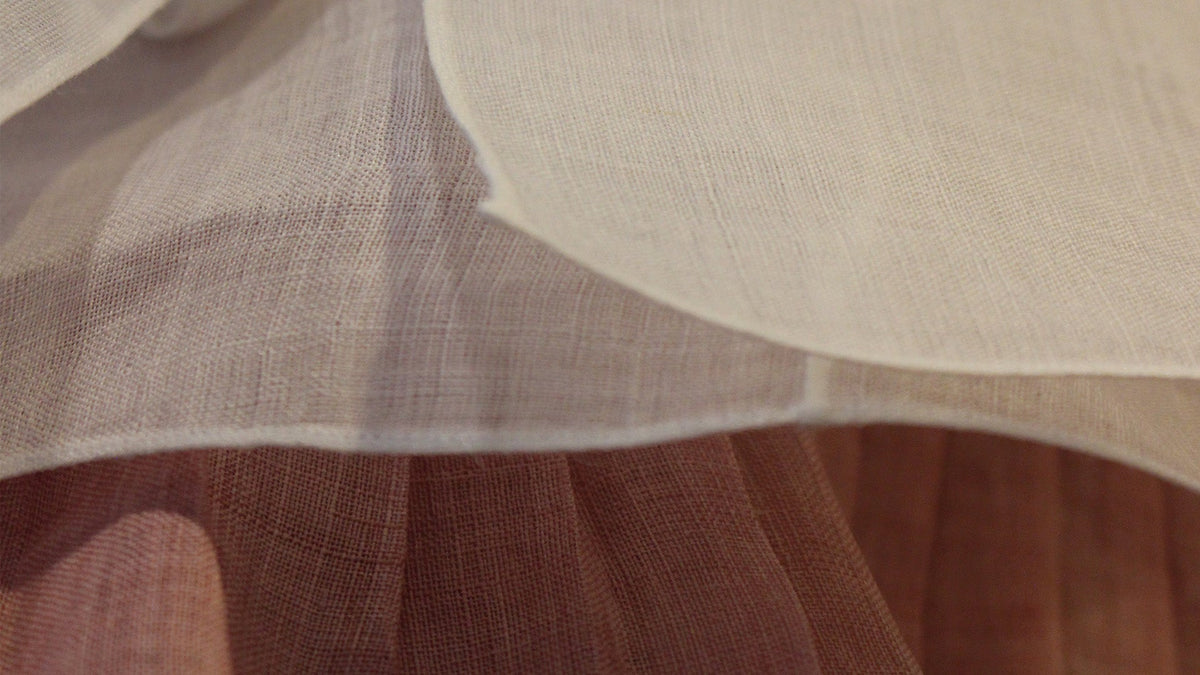
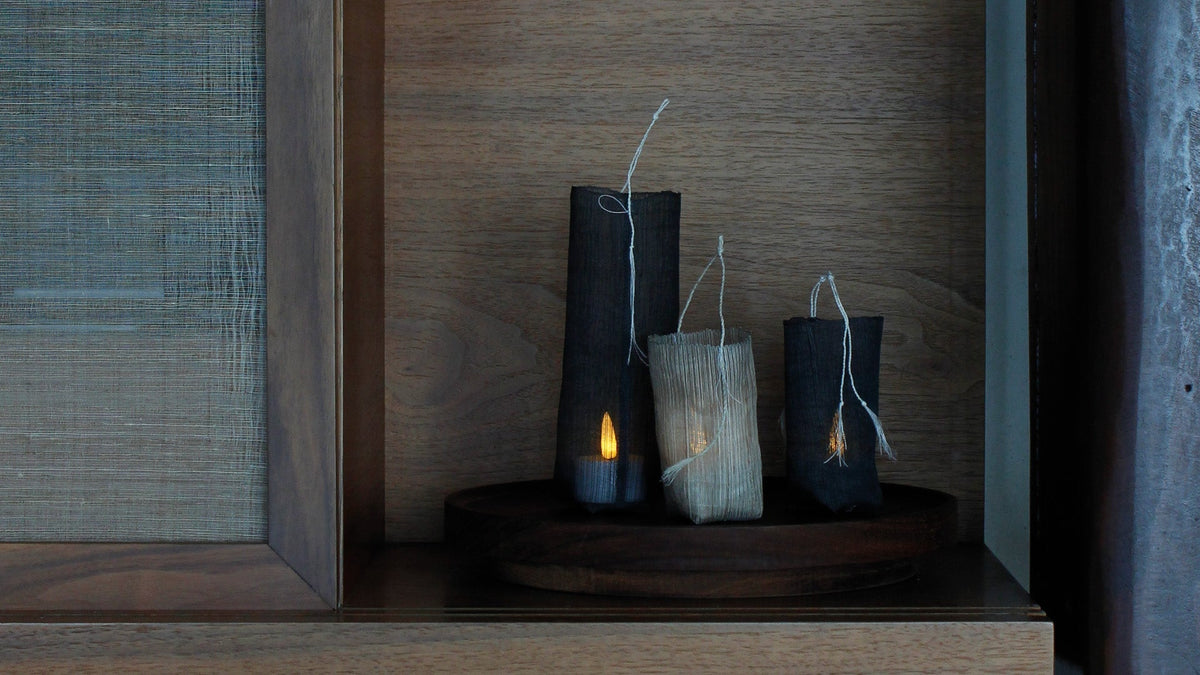
Her approach is far from systematic: each creation is born from a careful encounter with a fabric. Sung-mi scours markets in search of forgotten materials, treasures usually spun and woven by elderly women who perpetuate ancestral traditions, rare pieces of ramie (mosi), hemp, and Korean cotton, which she chooses one by one. She never works in series. Each piece of fabric, usually quite small, calls for a form; each variation in texture or color opens up a possibility. She dyes her fabrics herself, always using natural processes, such as calligraphy ink to achieve subtle grays that evoke mountains shrouded in mist, or indigo for bluish tones.

Her sewing, entirely handcrafted, is based on ancient knowledge, whose nuances she explores with gestures rooted in the contemporary: invisible assembly methods, quilting techniques like nubi, the demanding art of pojagi patchwork, flexible construction without fixed patterns. In her hands, tradition is neither decorative nor static. It becomes a language underscored by details that are more than just details: frayed edges to better reveal the textile fiber, additions of contrasting threads or small embroideries that highlight a seam, with infinite poetry. Sung-mi's unique pieces invite contemplation and soothe our cluttered souls; they remind us of the pleasure of simply beautiful things.

The Invisible Thread of Daily Life
For centuries, sewing was an act as mundane as it was essential in the lives of Korean women. It was not a profession, nor even a craft in the strict sense, but an interior, invisible practice that structured the rhythm of their days. In every household, women sewed. To create, but also to prolong: clothes, blankets, household items. The gesture was daily, rigorous, discreet. It was learned very early, often from childhood, within the gyubang, the space reserved for women in traditional Korean architecture.

Sewing was an essential part of female education. One threaded the needle after washing hands, prepared one's space, and sat up straight. Nothing was left to chance. The straight stitch served as the base, but there were countless variations: felled seams, fine topstitching, invisible hems. What mattered was not ornamentation, but the precision of the gesture. A successful seam had to be regular, flexible, durable. It reflected the seriousness of the person who executed it.

A Feminine Virtue in the Confucian Order
In traditional Korean society, largely shaped by Confucianism, each individual had a precise role to play in the balance of the household. For women, confined to the domestic sphere, sewing was as much a moral duty as a practical necessity. It was one of the essential virtues: knowing how to sew, mend, and assemble meant actively participating in the good order of the inner world. The accuracy of the stitch, the restraint of forms, the sobriety of finishes translated an ideal. In women's manuals written at the end of the Joseon period, sewing was presented as a silent art of care, discretion, and self-discipline. A way of doing, but above all a way of being.

Clothing Born in the Home
Most everyday outfits were made at home from locally woven fabrics. The hanbok, in its very structure, lent itself to domestic sewing: it was composed of flat pieces, sewn at right angles, without complex cuts. Women made skirts, jackets, shirts, trousers, aprons, belts, but also underwear and socks (beoseon) whose delicate curvature required great skill.

Each type of garment implied particular attention: seams had to withstand time, accommodate movement, and remain light on the skin. The choice of fabric varied with the seasons: ramie and hemp for summer, cotton for mid-seasons, wadding for winter. Sewing was done by hand, without a machine, with great precision. Clothing was not a place of expression, but an extension of the body and domestic life.
Natural Fibers and Vegetable Dyeing
Even before sewing, women spun and wove the vegetable fibers themselves. In the countryside, it was not uncommon for the same family to cultivate ramie (mosi), hemp, or cotton. After harvesting, the fibers were prepared by hand, spun on a small spinning wheel, then woven on a horizontal loom. This work required patience, know-how, and coordination. Each step, from spinning to beating, influenced the texture and strength of the fabric. Discover the rare and precious Hansan ramie, inscribed by UNESCO on the Intangible Cultural Heritage of Humanity, in our article to read here.

Once woven, the fabric was washed, stretched, beaten, then dyed using natural pigments. Walnut husks gave a soft brown, tree bark and roots gave discrete beiges or yellows, indigo gave deep blues. These colors, always slightly irregular, testified to an empirical knowledge of nature, passed down from generation to generation. The cut was then chosen based on the fabric's drape, thickness, and flexibility. It was the textile that dictated the sewing, not the other way around.

Everyday Objects and Specific Techniques
Korean sewing was not limited to clothing. It extended to all objects necessary for domestic life. Women made pouches for incense or medicinal herbs, covers for linens, bags for seeds, and cases for combs or needles. Every object, even the most modest, received meticulous attention. The seams were clean, strong, unadorned. The gesture was always measured, with an eye for economy and silent elegance.

Two emblematic techniques illustrate this approach: nubi, a hand-stitched quilting with tight parallel lines, used for winter jackets, blankets, or protective coverings; and bojagi, a patchwork square made from textile scraps, used to wrap or cover objects. The former required absolute concentration, with each stitch having to follow the previous one precisely. The latter embodied a refined form of reuse: nothing was wasted, everything was transformed. These two techniques, now emblematic, were once inseparable from daily life.

Master Seamstresses and Transmitted Knowledge
While all women sewed, some reached a recognized level of excellence. They were called chimseonjang, master seamstresses. These women, often sought after for ceremonial attire or noble garments, mastered complex techniques: concealed seams, perfect finishes, invisible adjustments. Their knowledge was not written, but transmitted orally, through gestures. Today, some of them hold the status of Living Human Treasures, thus protecting a fragile tradition that otherwise might have disappeared.

Workshops continue this knowledge in Seoul, Andong, and Naju. They still teach the art of tracing a pattern on living fabric, assembling without waste, and extending without forcing. These ancient gestures are now considered heritage, not because they belong to the past, but because they draw another relationship to clothing and material.

A Still Living Textile Memory
While sewing is no longer at the heart of Korean domestic life, its gestures have not disappeared. Pojagi is experiencing a resurgence of interest in contemporary textile circles. Nubi inspires creators sensitive to notions of slowness and durability. Some women continue to sew, not to perpetuate a static tradition, but to maintain a relationship with fabric based on restraint, attention, and precision. Sung-mi Kim, through her delicate and precious work, while being perfectly anchored in a contemporary vision, wonderfully perpetuates this rich heritage.
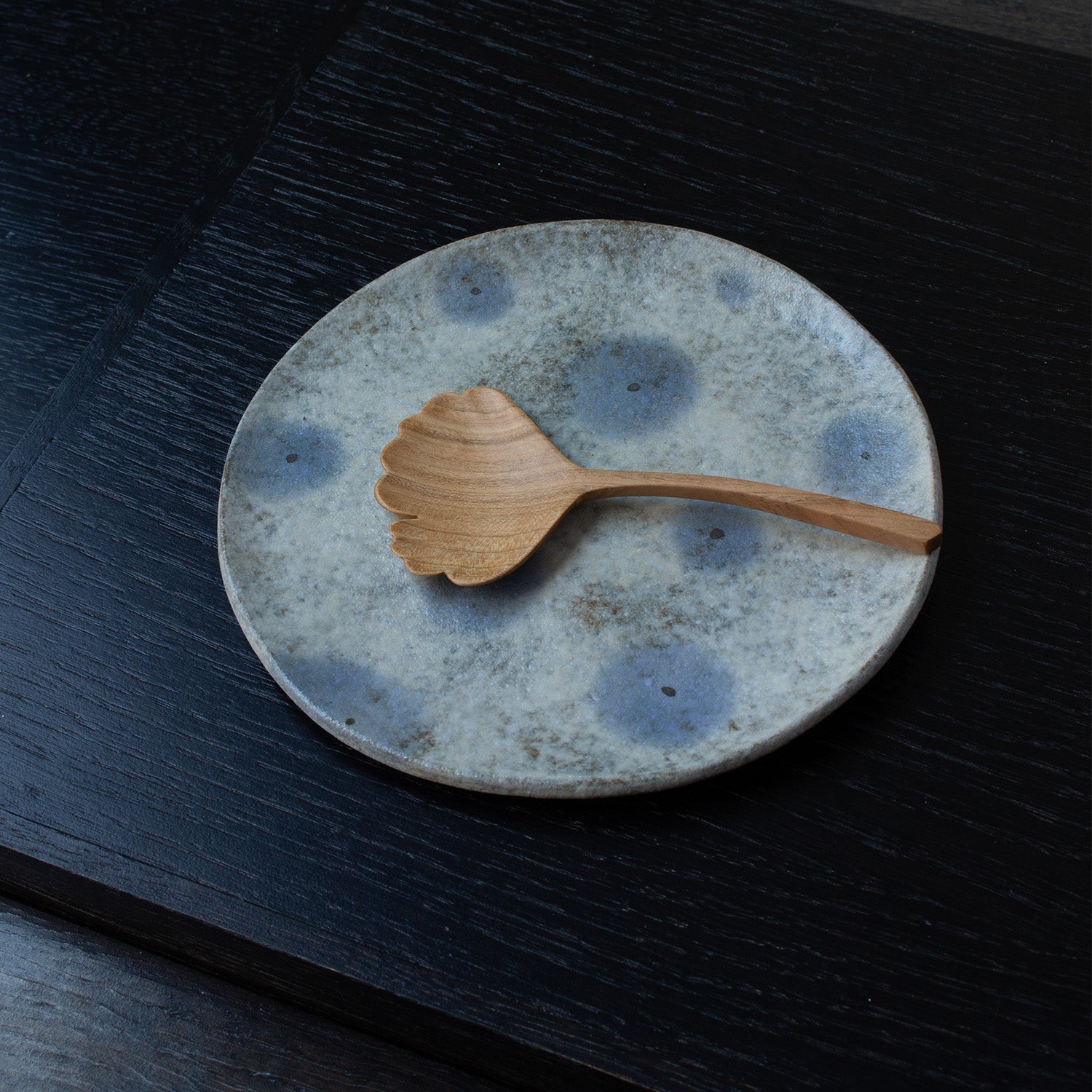
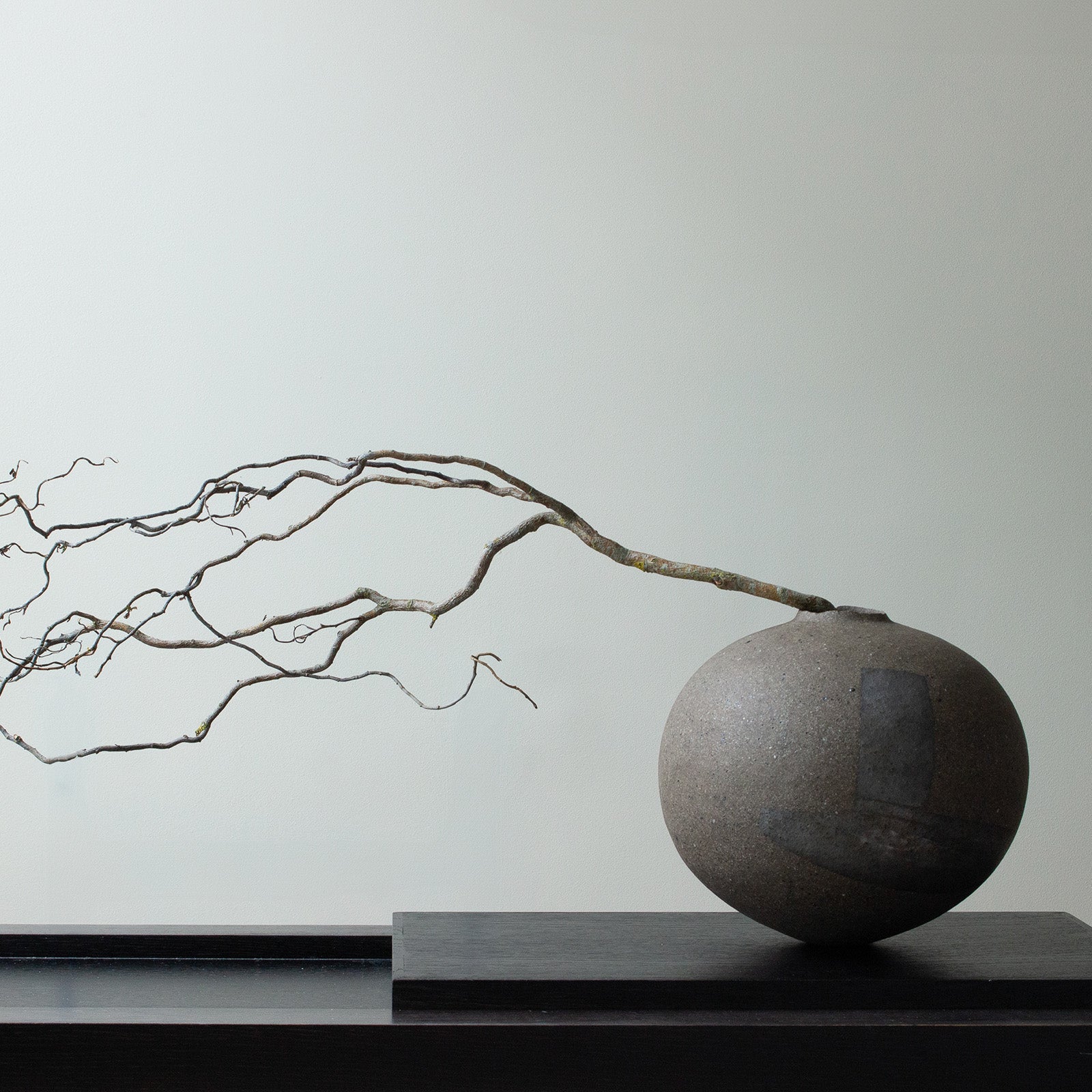
All photos: Atelier Ikiwa. They were taken in Sung-mi's workshop in Seoul ♡
© Atelier Ikiwa – Laurence Corteggiani. Photographs and texts protected. All reproduction prohibited without authorization.