

Chabako (Japanese tea ceremony box) in urushi lacquer and gold, peony decoration in chinkin by Higashi Tsunehiro
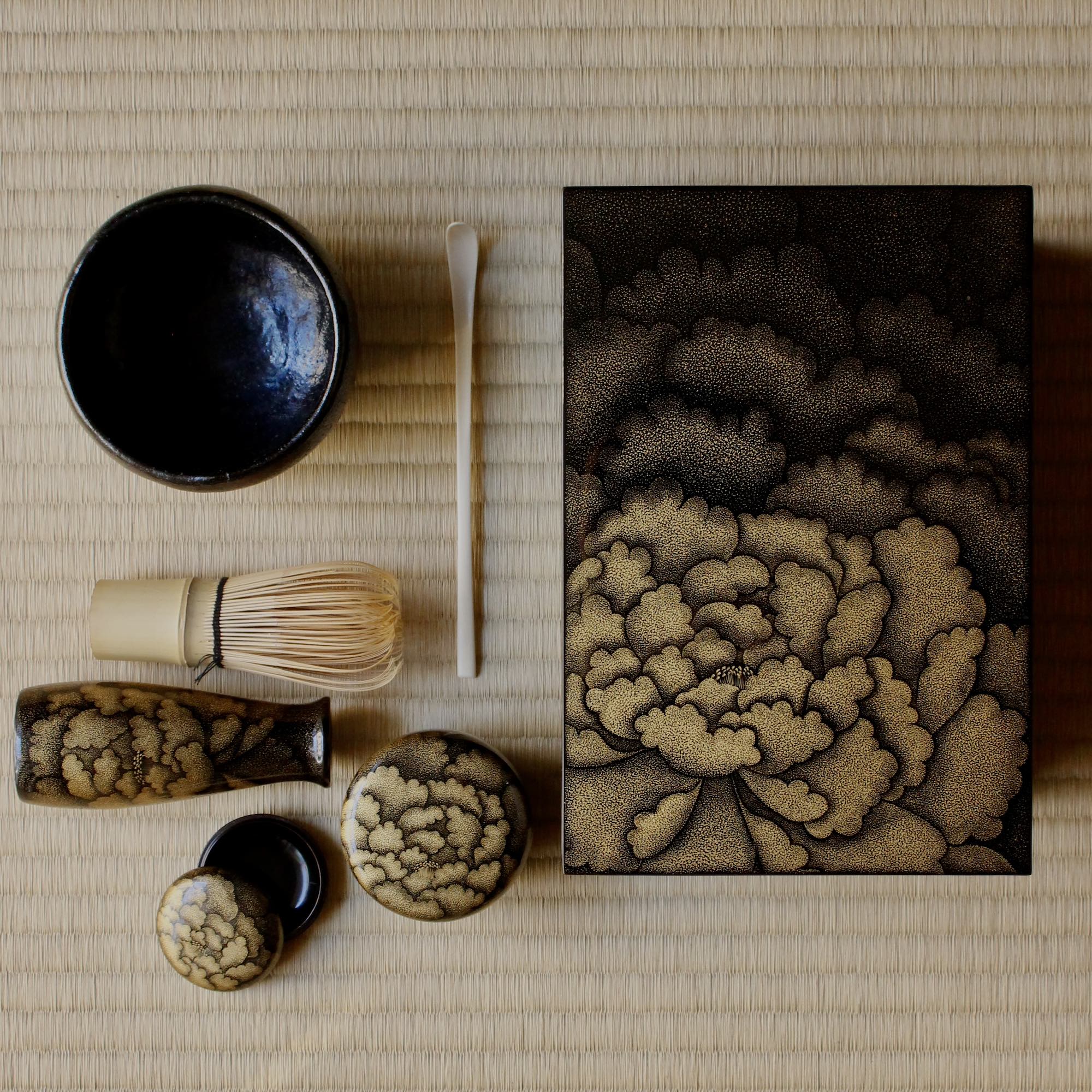
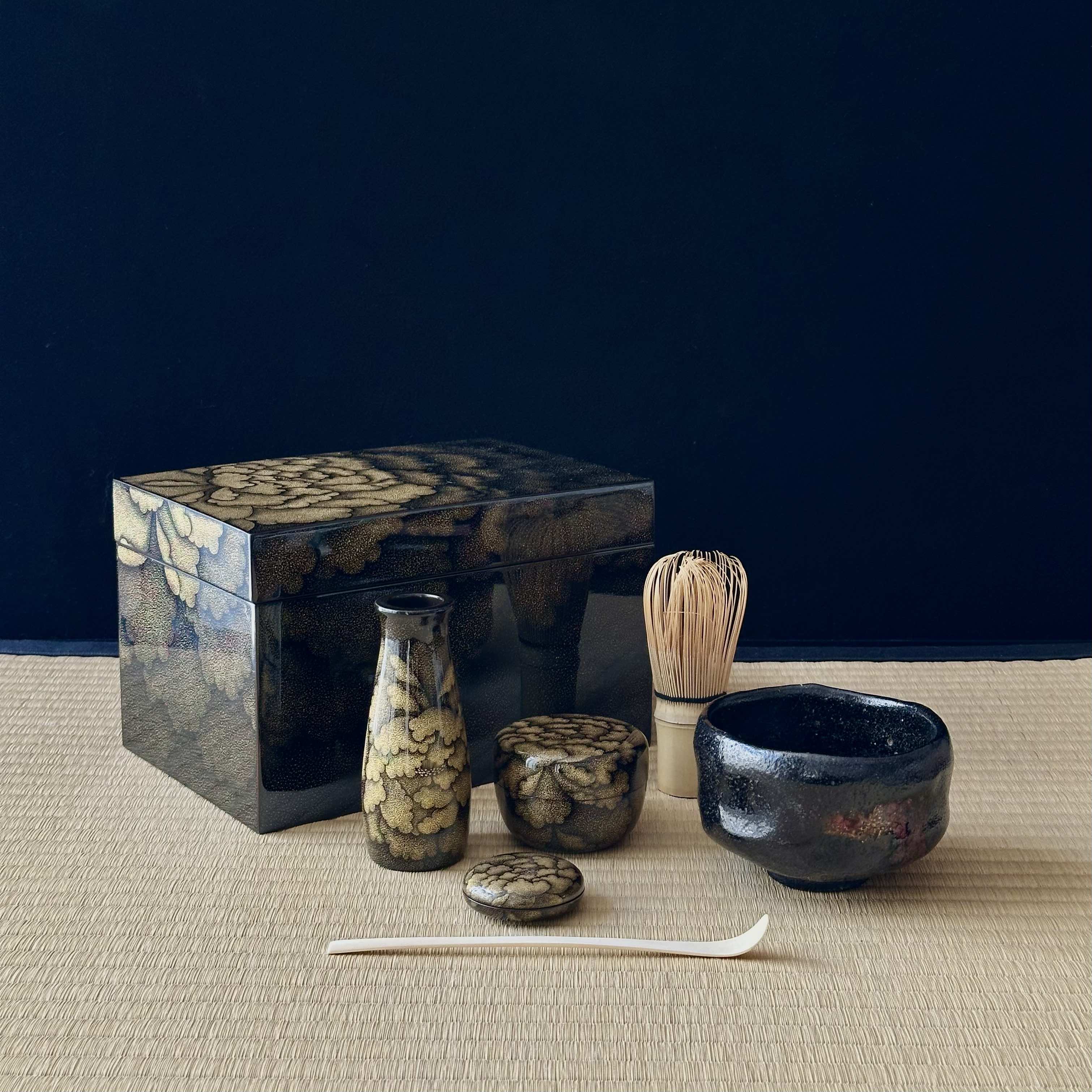
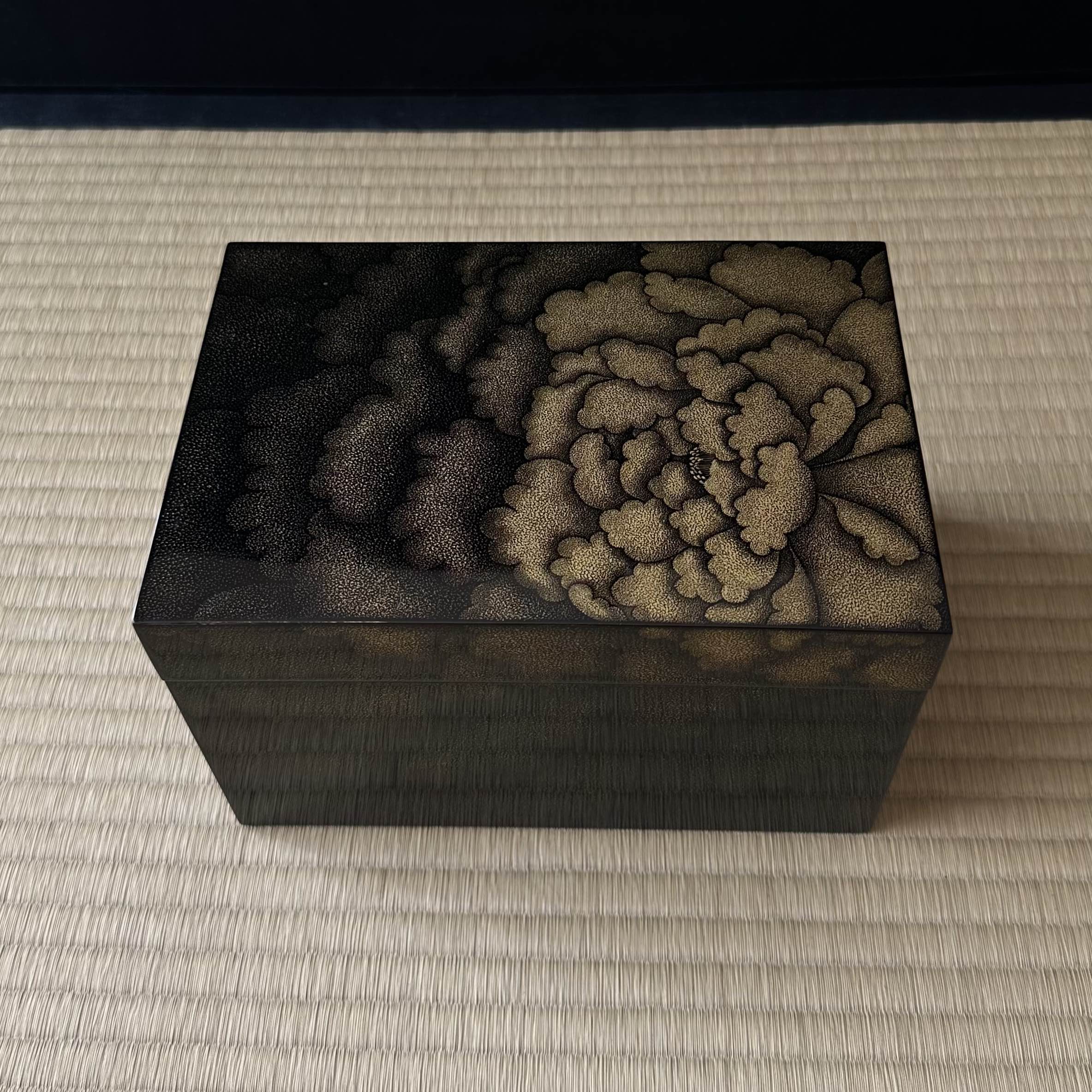
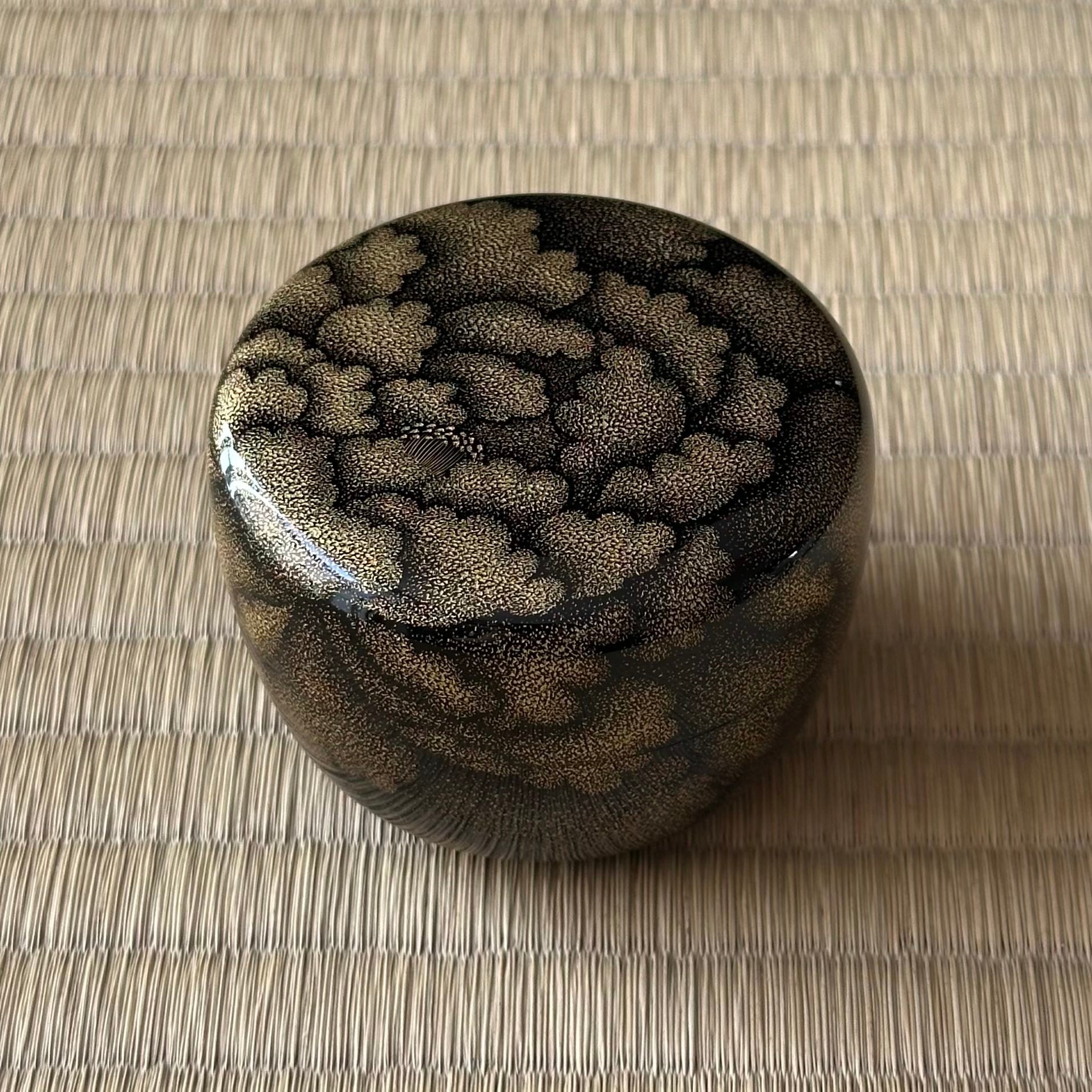
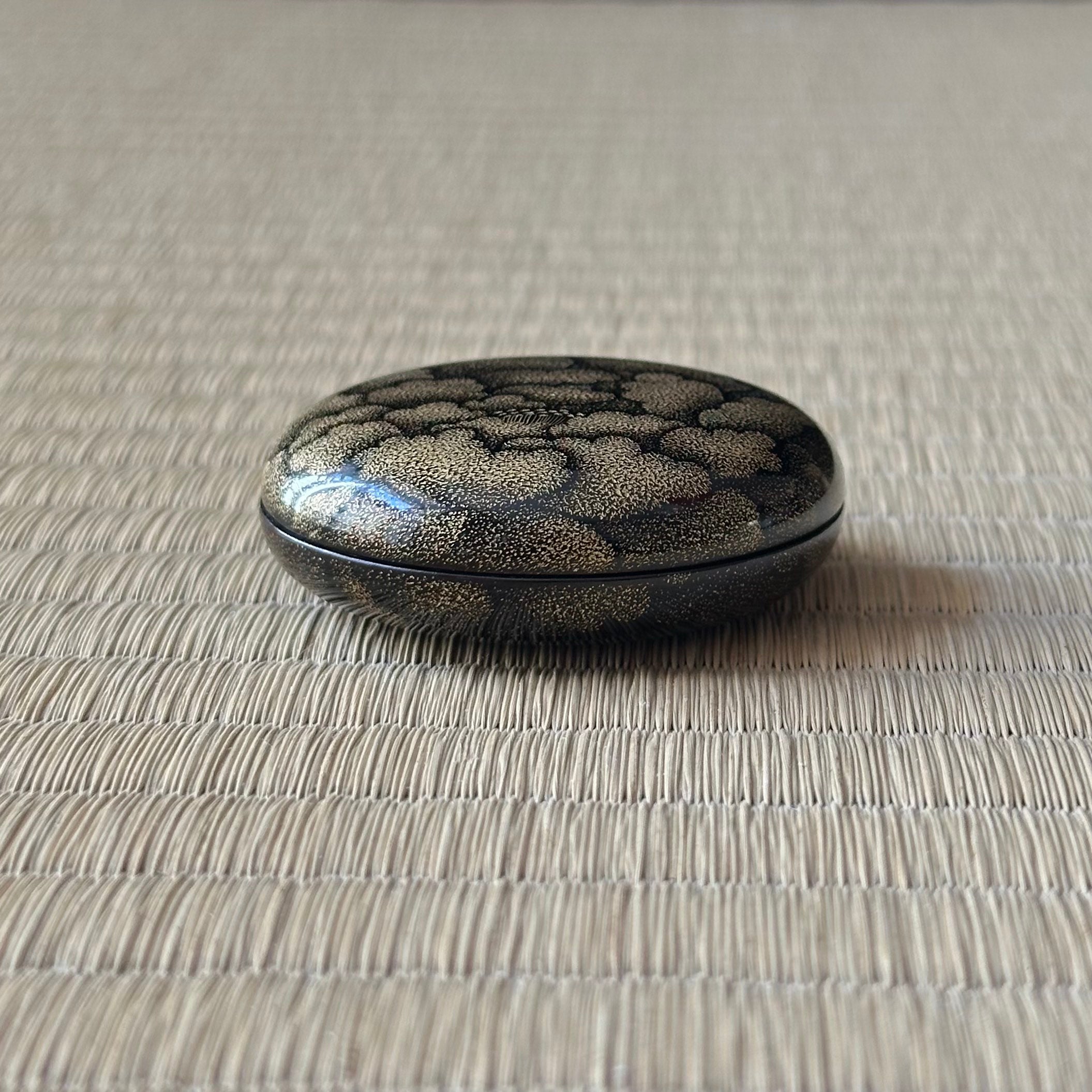
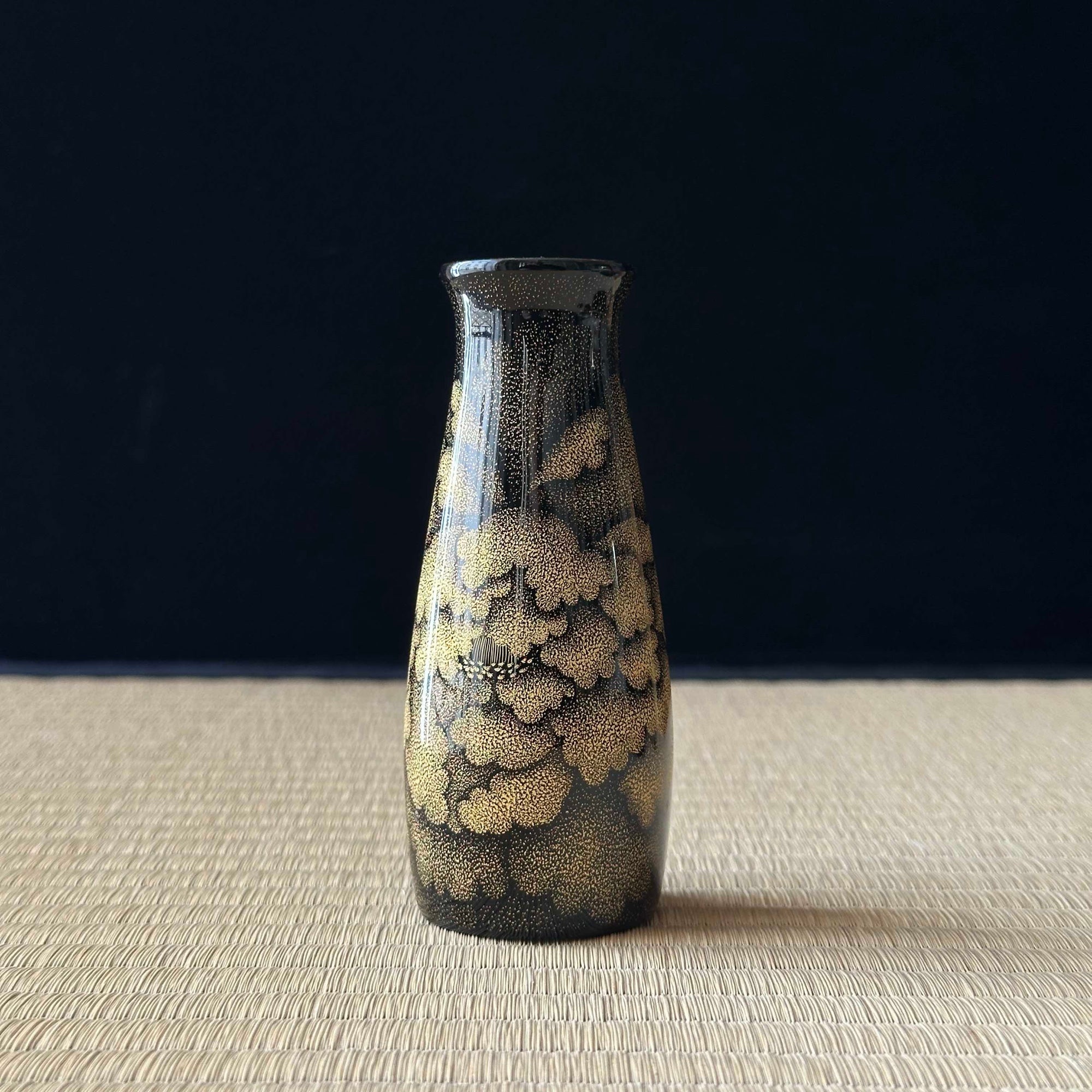
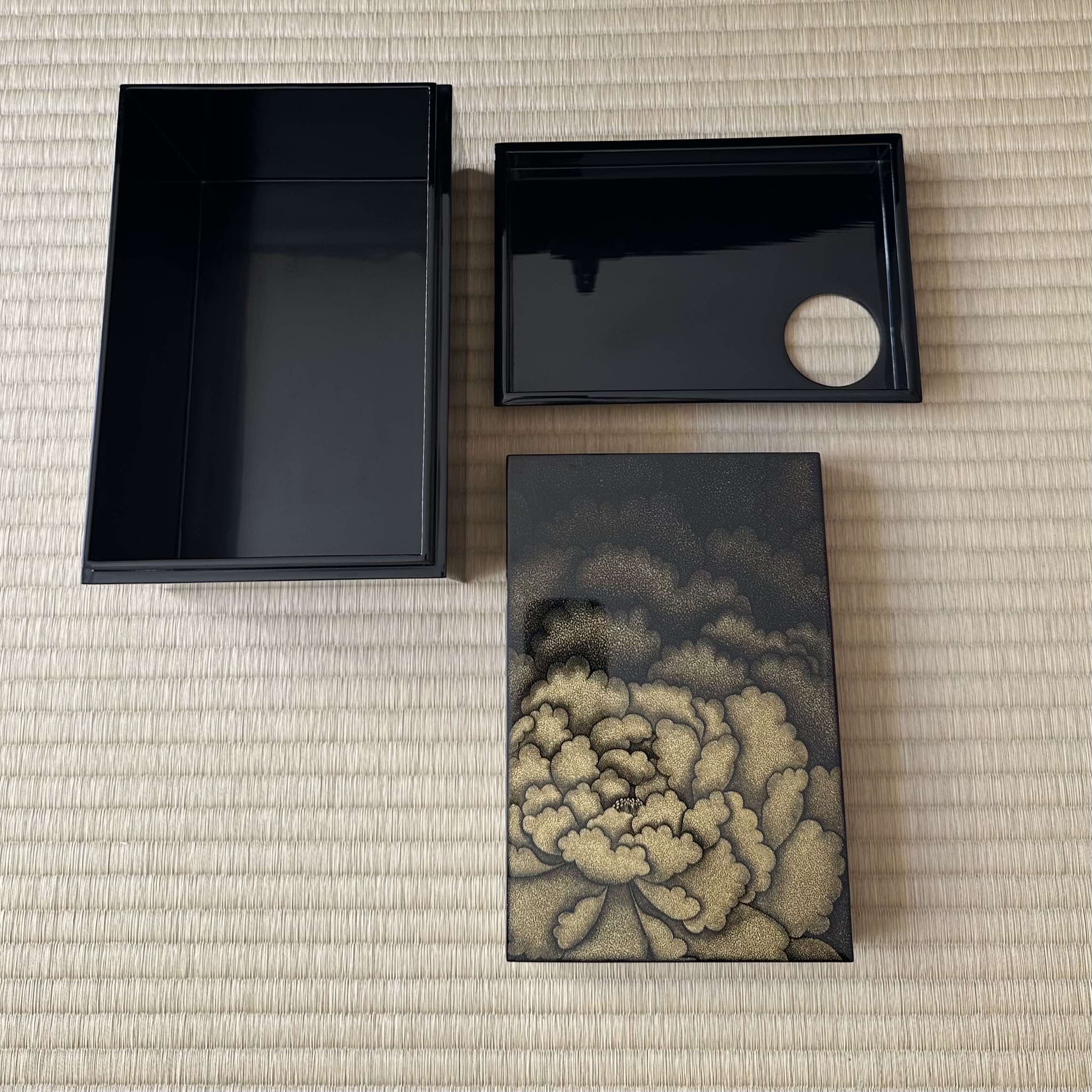
This chabako (Japanese box containing tea ceremony utensils) in urushi lacquer, created by Higashi Tsunehiro, a master lacquerer in the Wajima nuri (Wajima lacquer) tradition, features an exceptionally refined peony (botan, symbol of prosperity) decoration. On a deep black background, the surface is meticulously engraved and then enhanced with gold powder using the precious Japanese chinkin technique, revealing a motif of remarkable density and extreme precision. This decoration is replicated on the lacquered elements of the set, creating a particularly well-executed visual unity.
The artisan
Higashi Tsunehiro is a contemporary Wajima lacquerer specializing in the chinkin (engraving) technique, a process consisting of incising hardened lacquer before fixing gold powder into it. This particularly demanding technique is one of the most emblematic skills of Wajima lacquerware.
His work has been presented numerous times in Japanese exhibitions, with eight selections at the Nihon Shinkogeiten, three at the Gendai Bijutsuten, and thirteen at the Wajima-shi Bijutsuten. These regular participations demonstrate recognition within contemporary craft and art exhibitions in Japan.
The quality of his work is evident in the precision of the engraving, the regularity of the incisions, and the mastery of the gold powder application.
Decoration and techniques
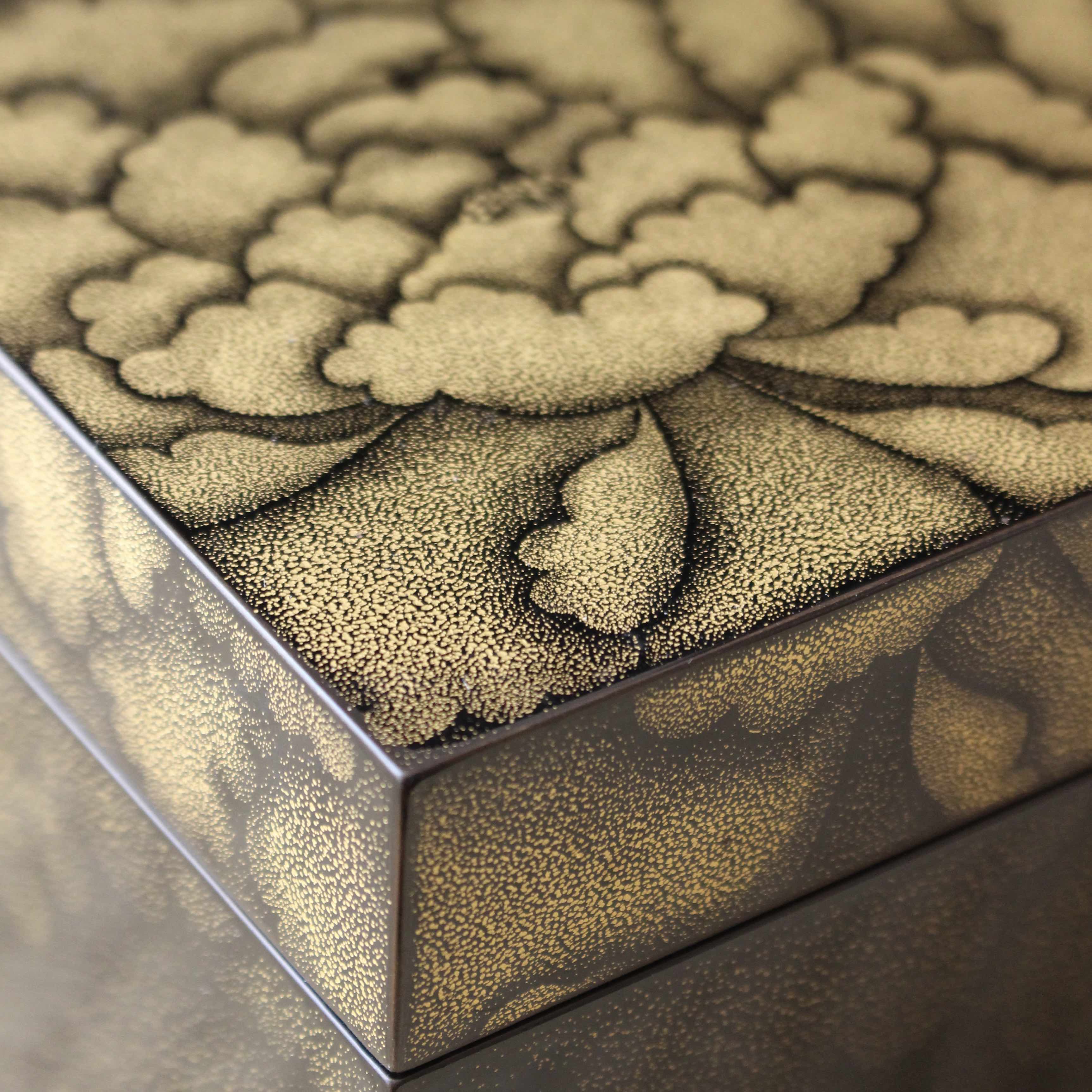
The box and some elements (natsume, kōgō, and chasen-tate) are made of wood covered with urushi lacquer applied in numerous layers.
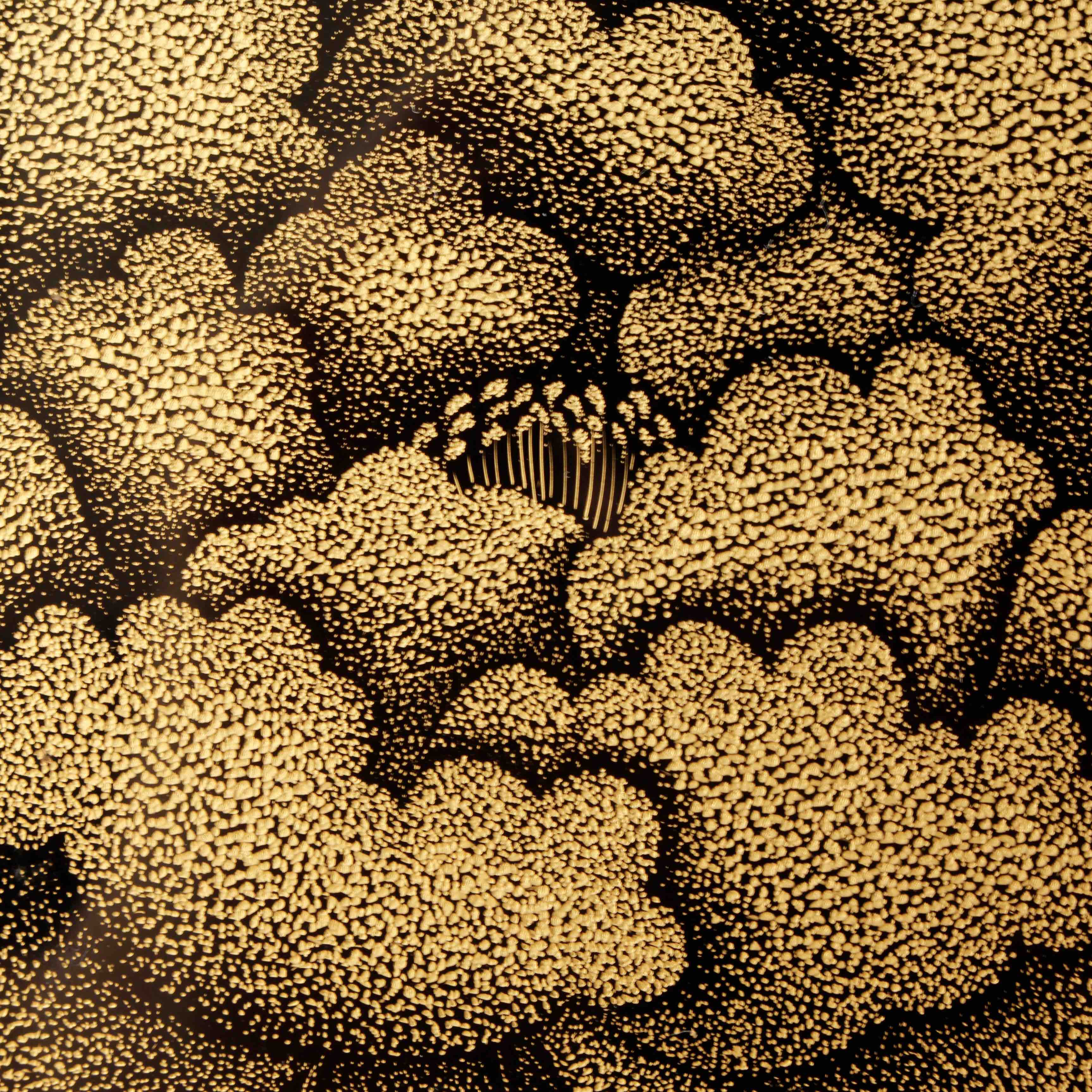
The decoration is executed in chinkin, a technique consisting of directly incising the surface of the lacquer with very fine tools. The incisions are then filled with gold powder, fixed with lacquer, and then polished. As each stroke is definitive, this process requires absolute mastery of gesture and great regularity.
The peony motif is rendered by a very fine accumulation of engraved dots and cuts, creating subtle variations of light and density. Some areas feature extremely tight engraving, while others reveal the black background, structuring the composition and enhancing the depth of the decoration.
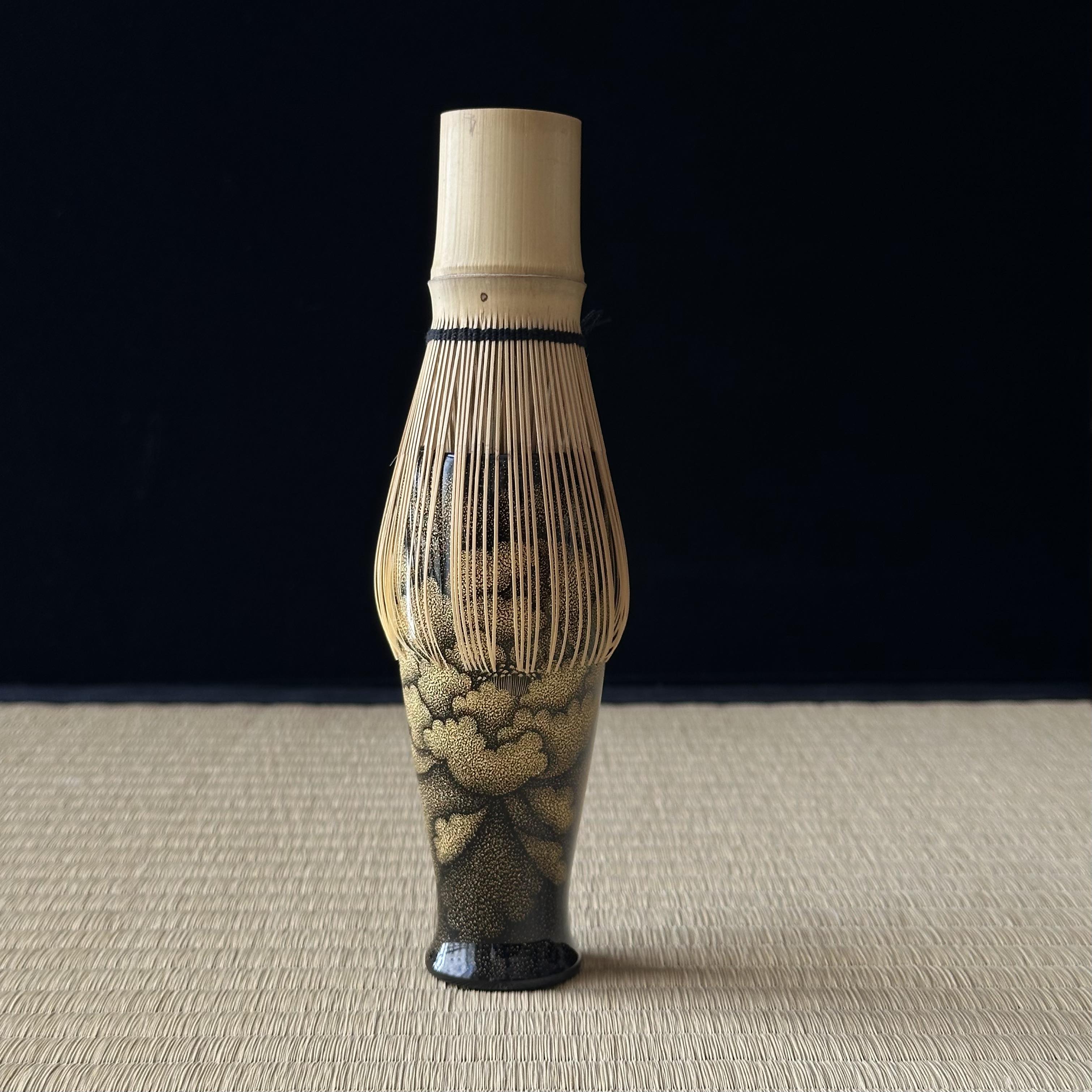
This decoration is replicated on the lacquered elements of the set: the natsume (tea caddy), the kōgō (incense box), and the chasen-tate (whisk stand), ensuring aesthetic consistency between the different pieces.
Form and use
The chabako (Japanese box) is a set intended for the practice of chanoyu (tea ceremony), designed to gather the necessary utensils in a compact and portable format.
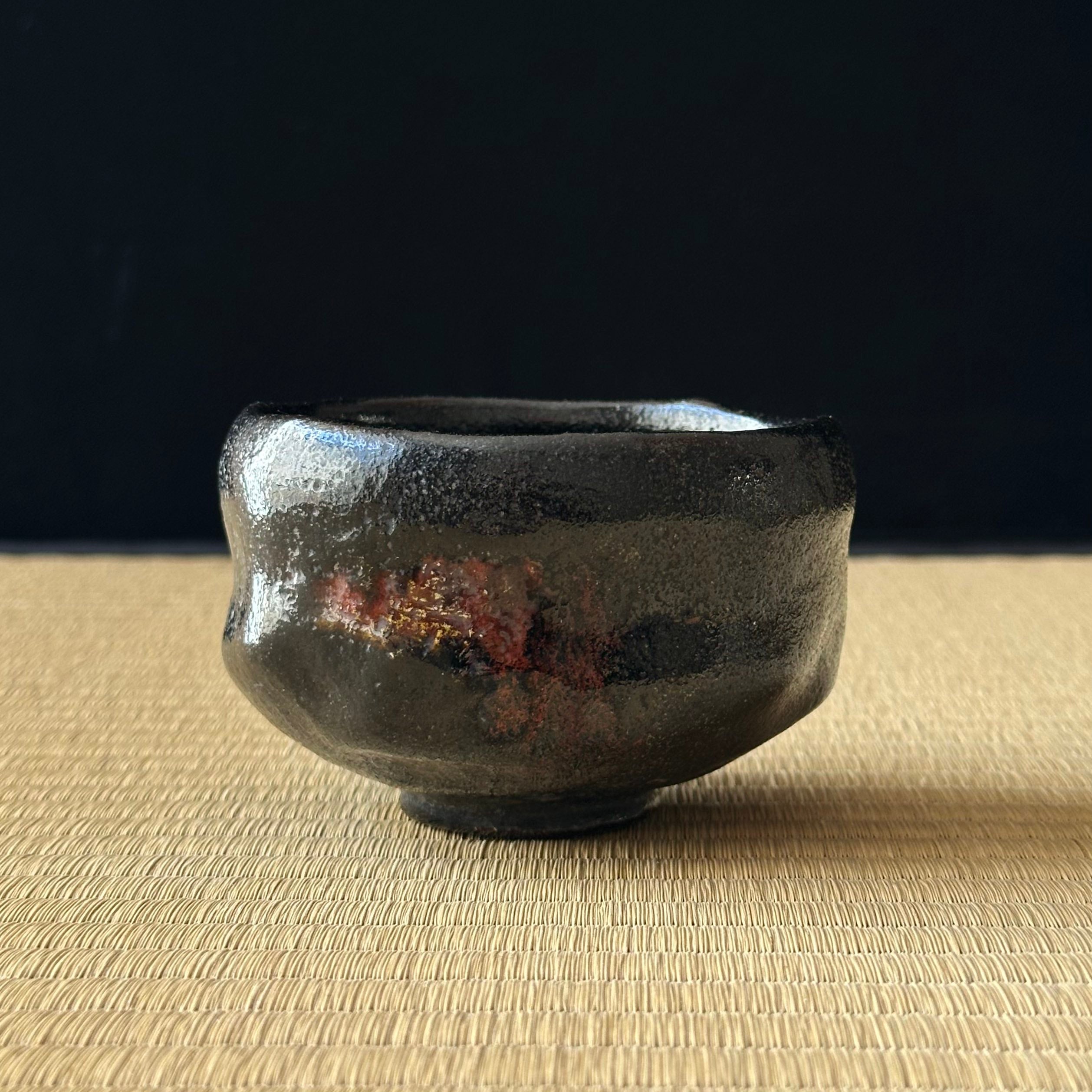
In addition to the rectangular lacquer box with peony decoration, the set includes a hand-built raku-type ceramic chawan (tea bowl) with a black surface marked by firing effects, a chasen (bamboo whisk), a chashaku (tea scoop), a natsume (tea caddy), a kōgō (incense box), and a chasen-tate (whisk stand). The natsume, chawan, and kōgō are slightly smaller than their equivalents used in a fixed location, allowing for more nomadic use.
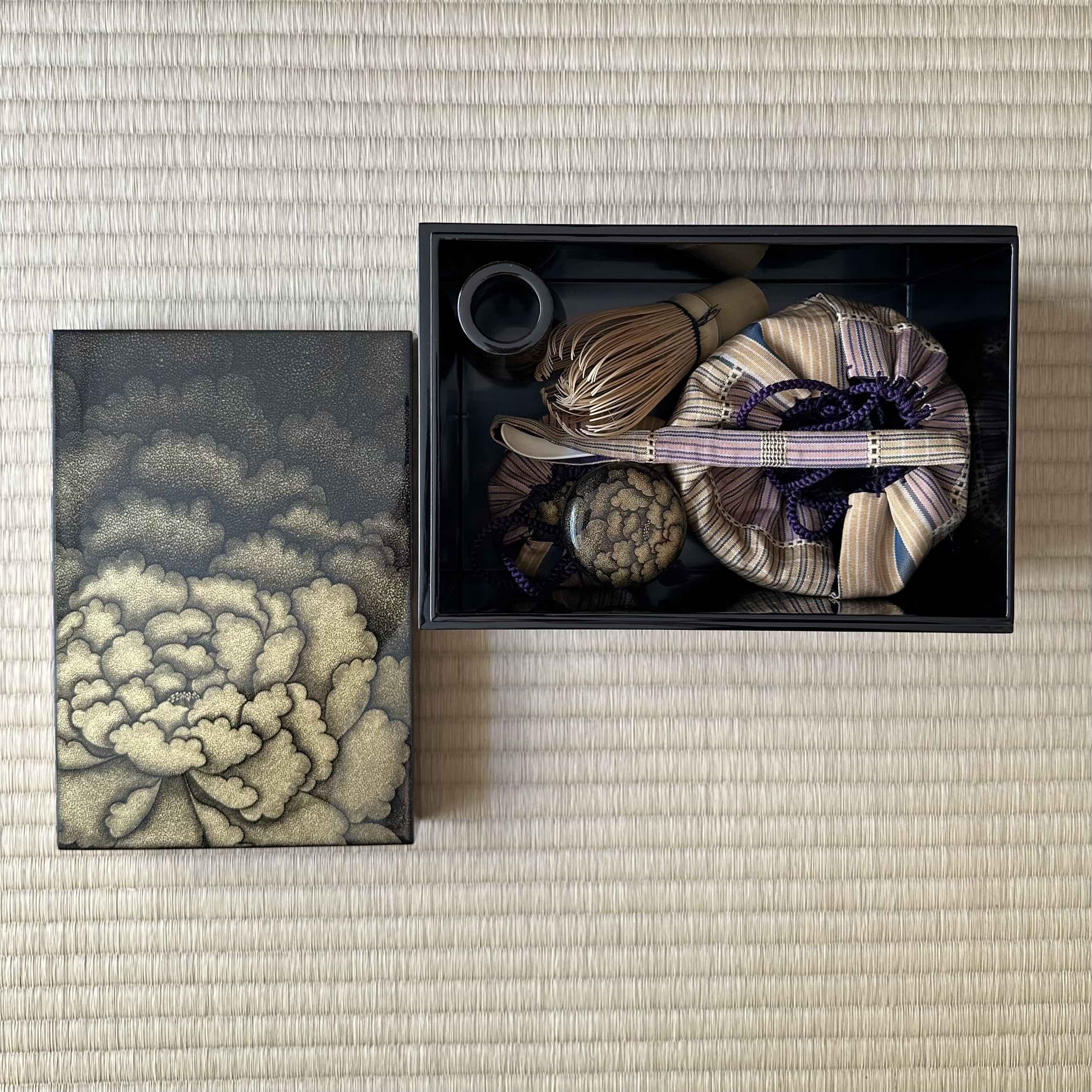
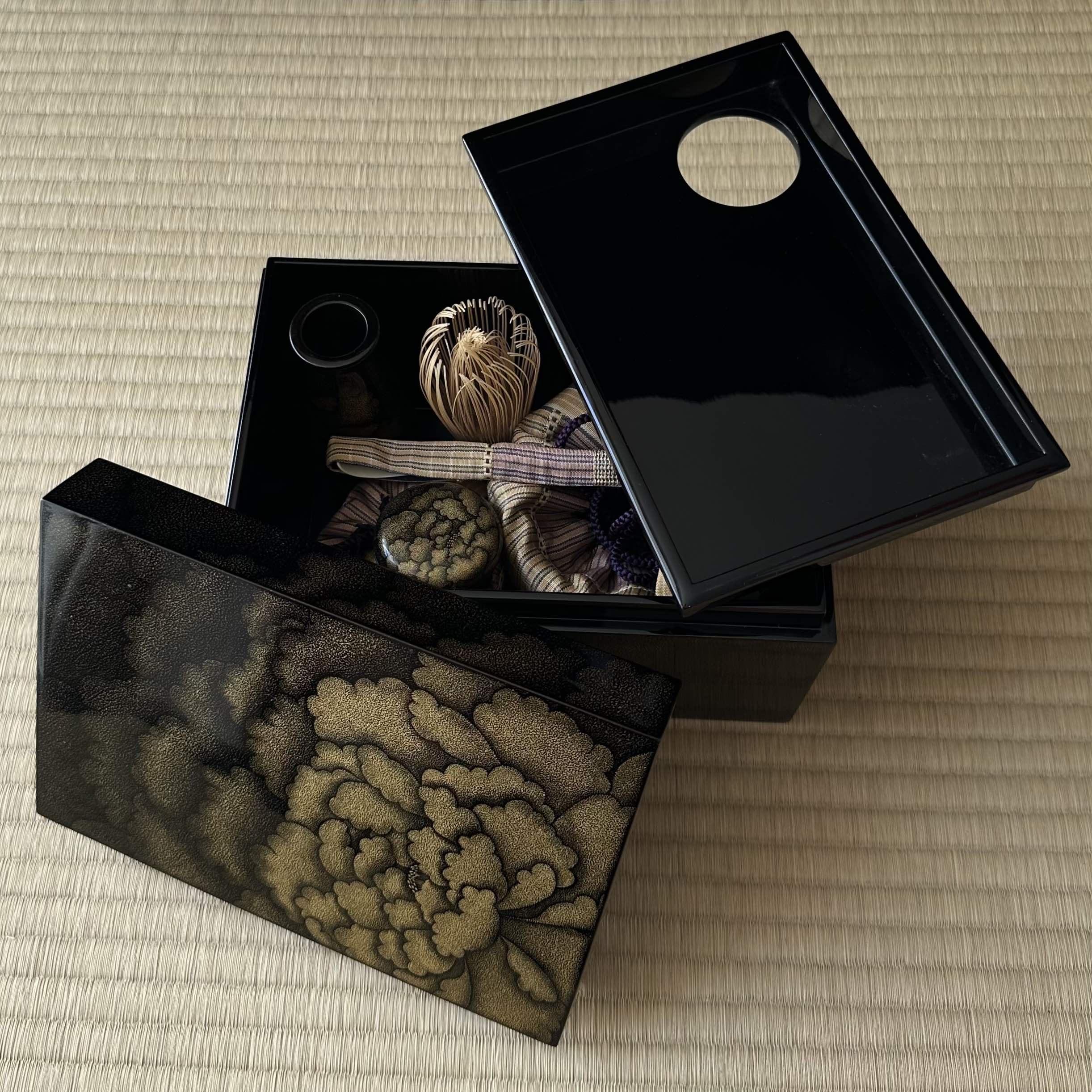
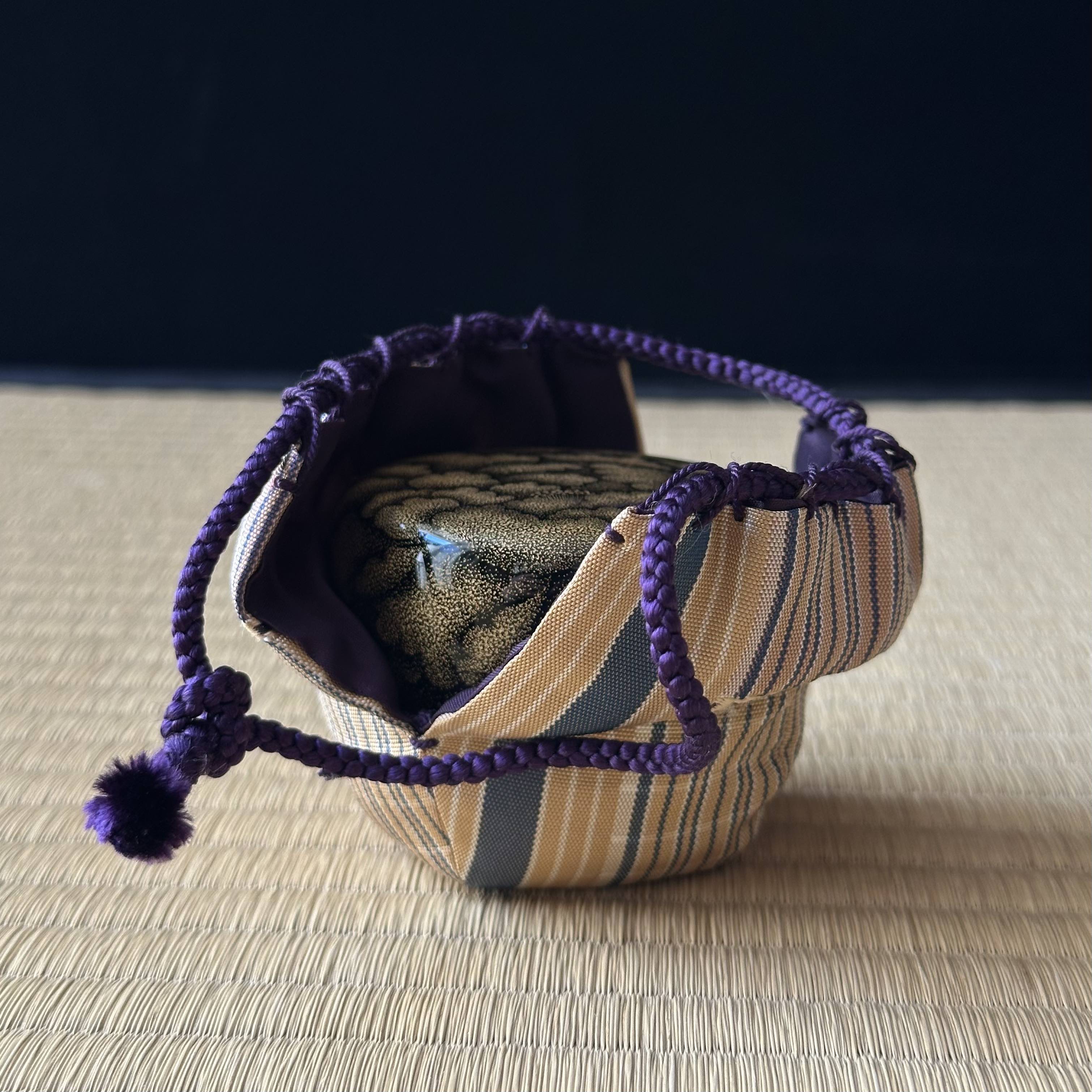
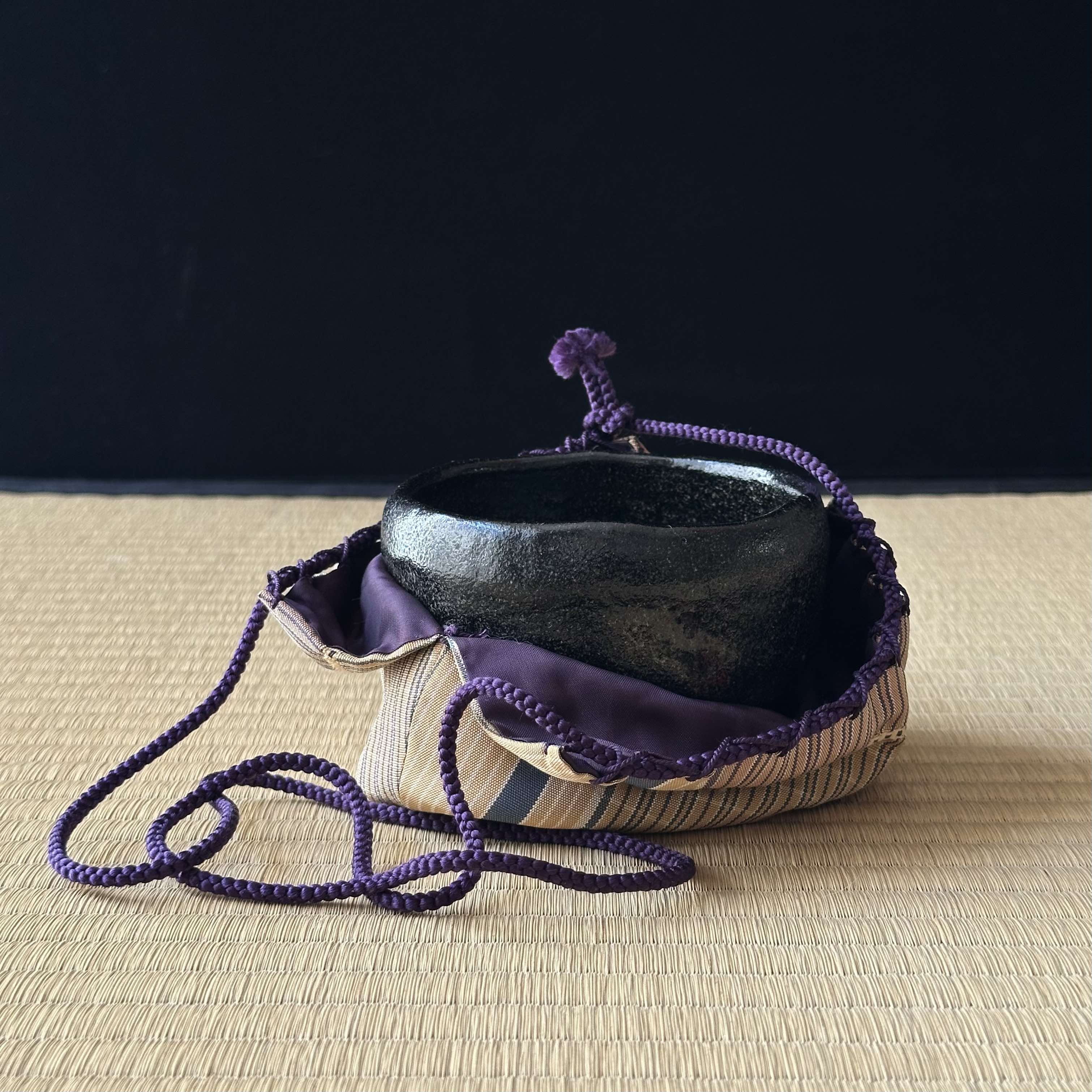
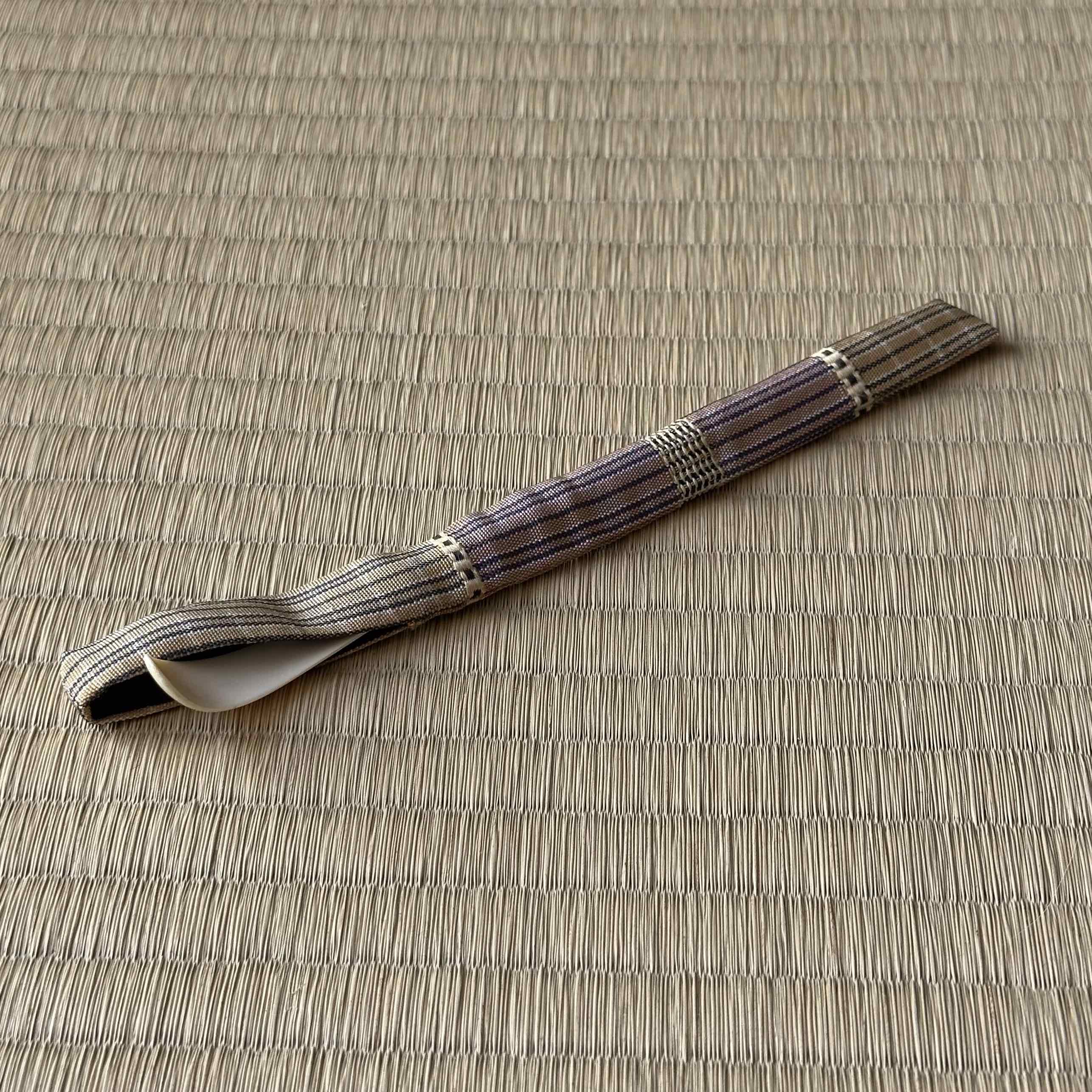
Some utensils, the chawan (bowl), the natsume (tea caddy), and the chashaku (scoop), are accompanied by their custom-made shifuku (textile case), allowing for their protection and storage.
An inner black lacquer tray is integrated into the box. It has an opening to hold the chasen-tate in a vertical position, also ensuring the stability of the elements during transport.
Presentation
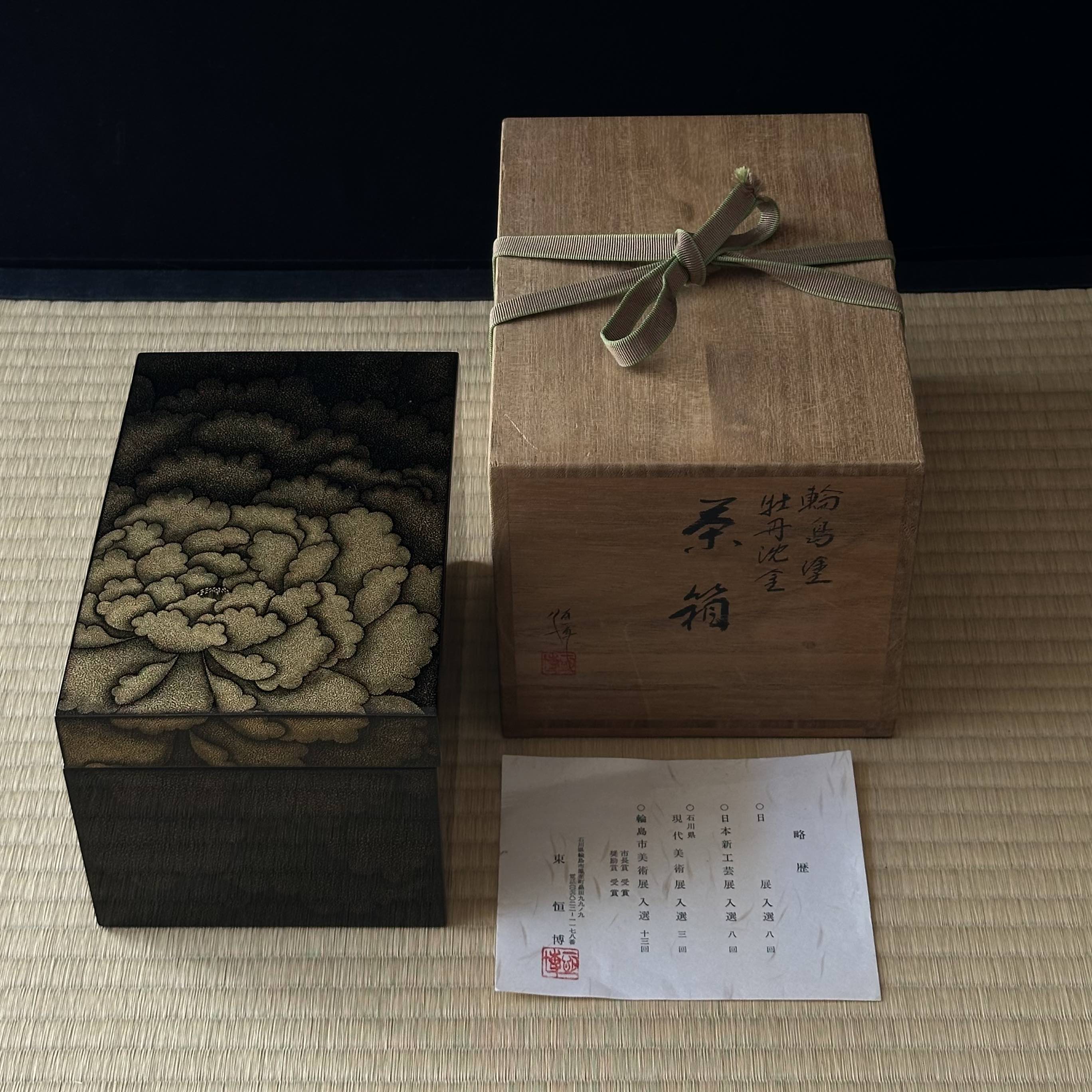
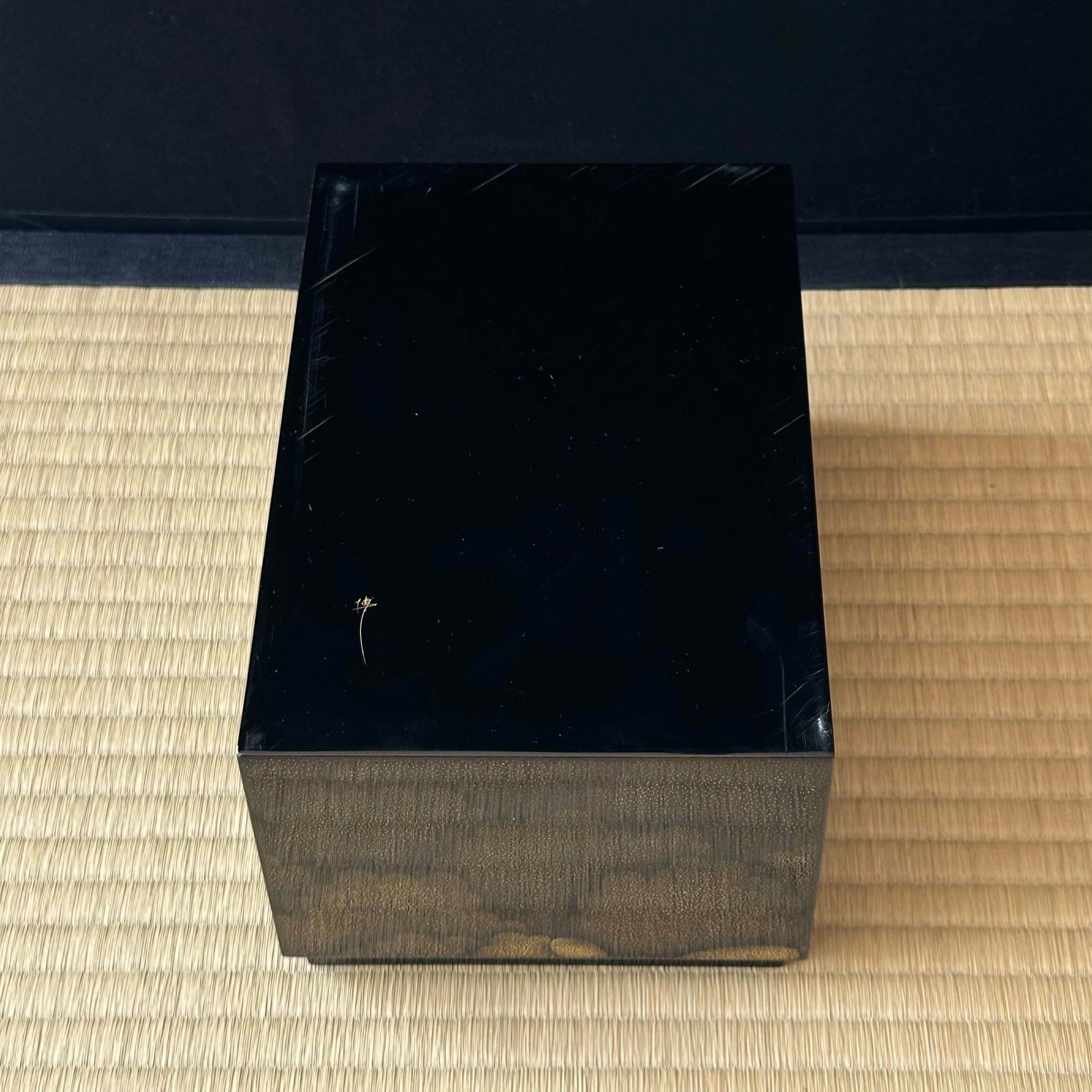
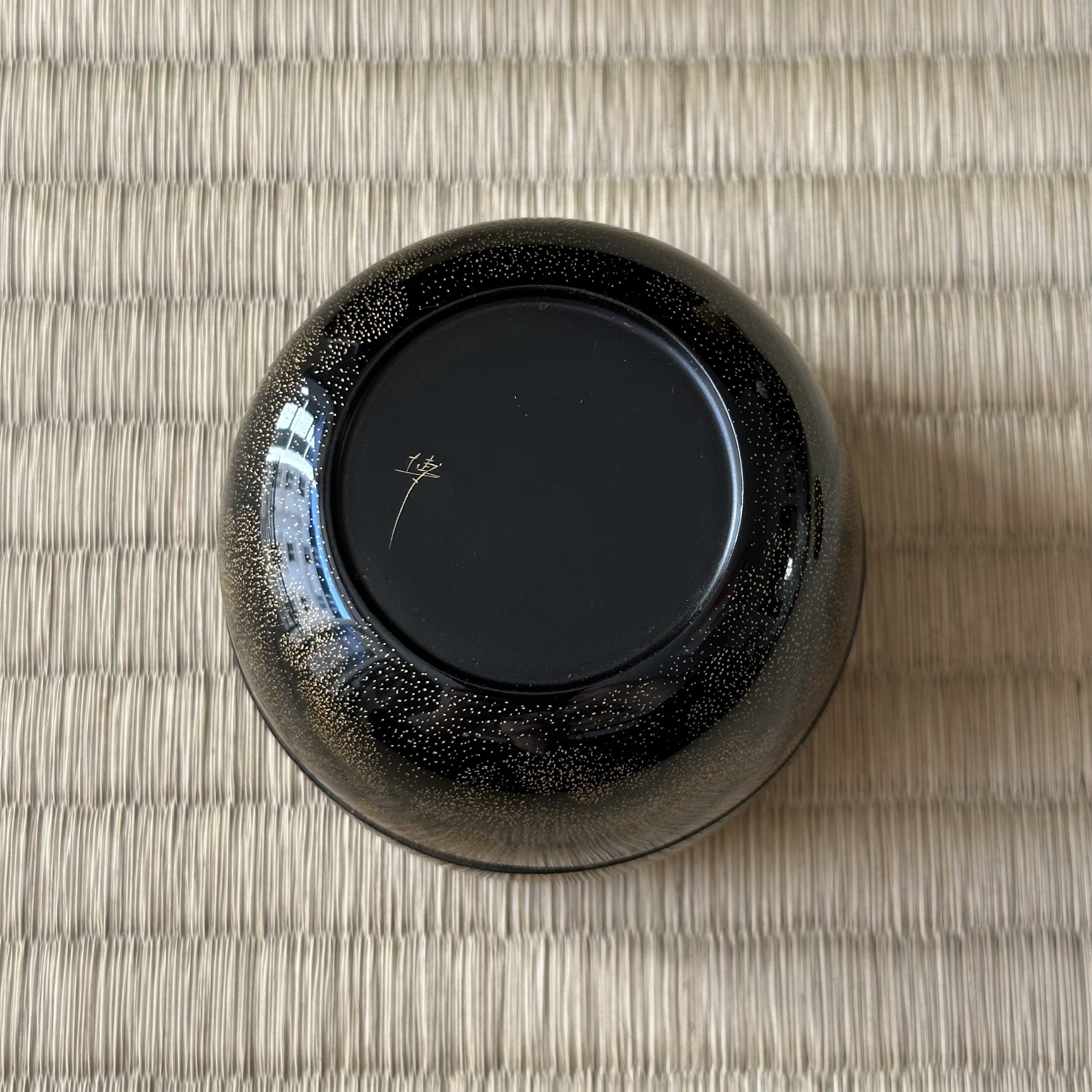
This piece is accompanied by a wooden tomobako protective box bearing the artisan's signature, his seal, and the name of the work, as well as an information document (shiori) detailing the lacquerer's profile. The box, natsume, and kōgō bear the artist's signature on their bases.
Place of manufacture
Japan, Wajima
Period
Heisei era (1989-2019)
Dimensions
Height 13.5 cm - Width 21.5 cm - Depth 14.7 cm
Weight
Chabako and protective box: 1.5kg
Materials
Wood, urushi lacquer, gold powder, ceramic, bamboo, textile
Condition
Good condition. Small scratches are present on the outer bottom of the lacquer box, invisible when the box is placed down. The chawan (bowl) shows slight wear consistent with its use.
© Atelier Ikiwa – Laurence Corteggiani. Photos and texts protected. All reproduction forbidden without authorization.
KNOW-HOW
Traditional Japanese lacquer, urushi, comes from the sap of the lacquer tree (Rhus Verniciflua), which flows after incision of the bark. It is a very precious material, a tree will give a maximum of 200ml of sap in its life, which is worked by specialized craftsmen. It takes many operations, slow and meticulous, and several months of work to bring real lacquer objects to life. It is the oldest craft in Japan! Initially used to protect and waterproof objects, this immutable craft has become an art of extreme sophistication. If you want to know more about the art of Japanese lacquer, you can read our dedicated article > .
SHIPPING AND PAYMENT OPTIONS
Shipping
Free shipping in mainland France for purchases over €200. Shipping with Colissimo, delivery to your home or a pick-up point, package delivered against signature or unique code for valuable items. Orders are generally dispatched within 2 business days, except for fine art photographs, which are printed on demand, and special cases that will be announced in the banner at the top of the site (e.g., in case of absence). Learn more >
Payment options
Secure card payment with Shopify Payments and 3D Secure technology.
Visa, MasterCard, American Express, Cartes Bancaires, PayPal, Apple Pay, Shop Pay, and Klarna.
Klarna: Pay in 3 interest-free installments or within 30 days, for purchases up to €1,500, subject to Klarna's approval. You will be redirected to Klarna to log in or create an account and confirm your payment.
PayPal: You will be redirected to PayPal to log in and confirm payment. New users can create an account during checkout.
Your invoice will be sent with your order.
Returns and exchanges
14 days to change your mind. Learn more >
CARE INSTRUCTIONS
Clean with a very soft cloth to avoid scratches, soaked in a little warm water if necessary (never soak your lacquer objects). No microwave, dishwasher, dryer. Do not expose to direct sunlight for a long time (risk of discoloration). If the atmosphere is very dry and very hot, and to avoid the risk of cracking, you can place a glass filled with water next to your lacquer object.
Choose options
The art of wrapping
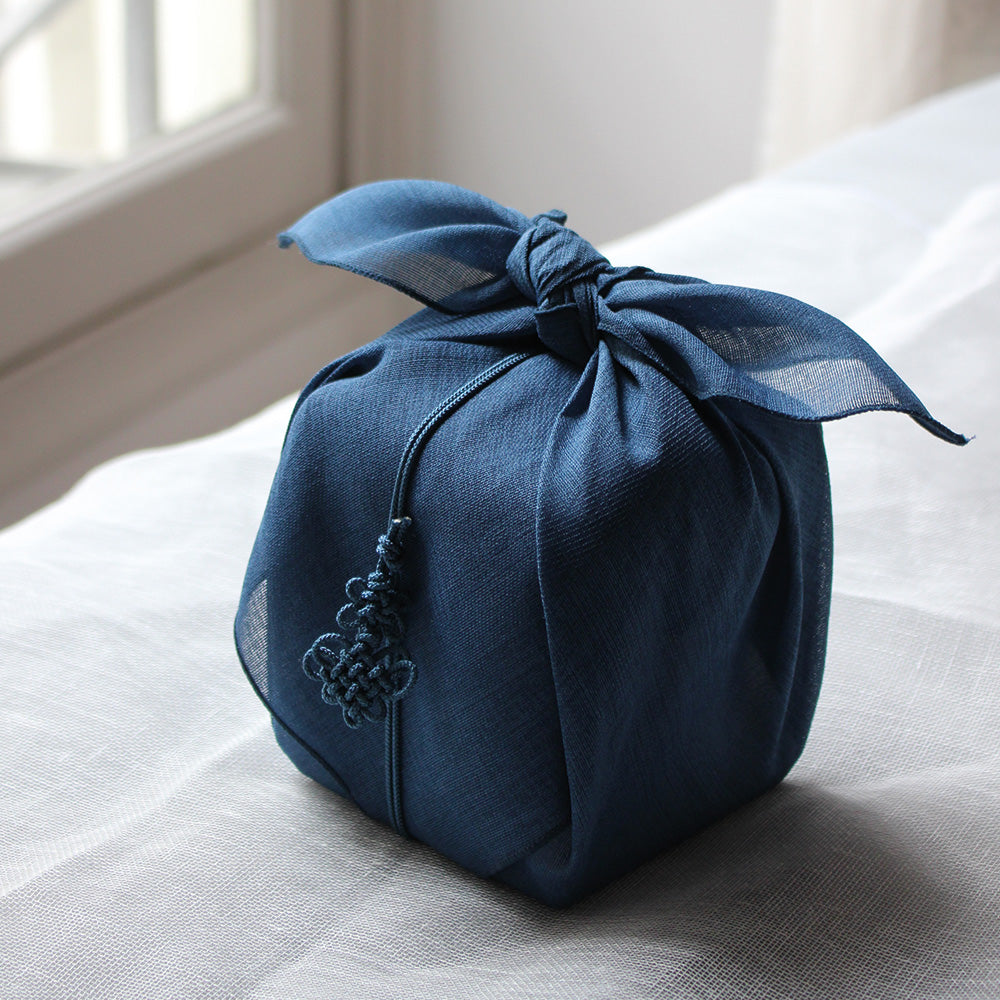
The exceptional items are wrapped in a beautiful fabric beautifully knotted using the little-known art of Korean pojagi and decorated with a delightful maedup (Korean ornamental knot). Details and conditions >
WRAPPING
Exceptional items are wrapped in textiles tied according to the Korean pojagi art