
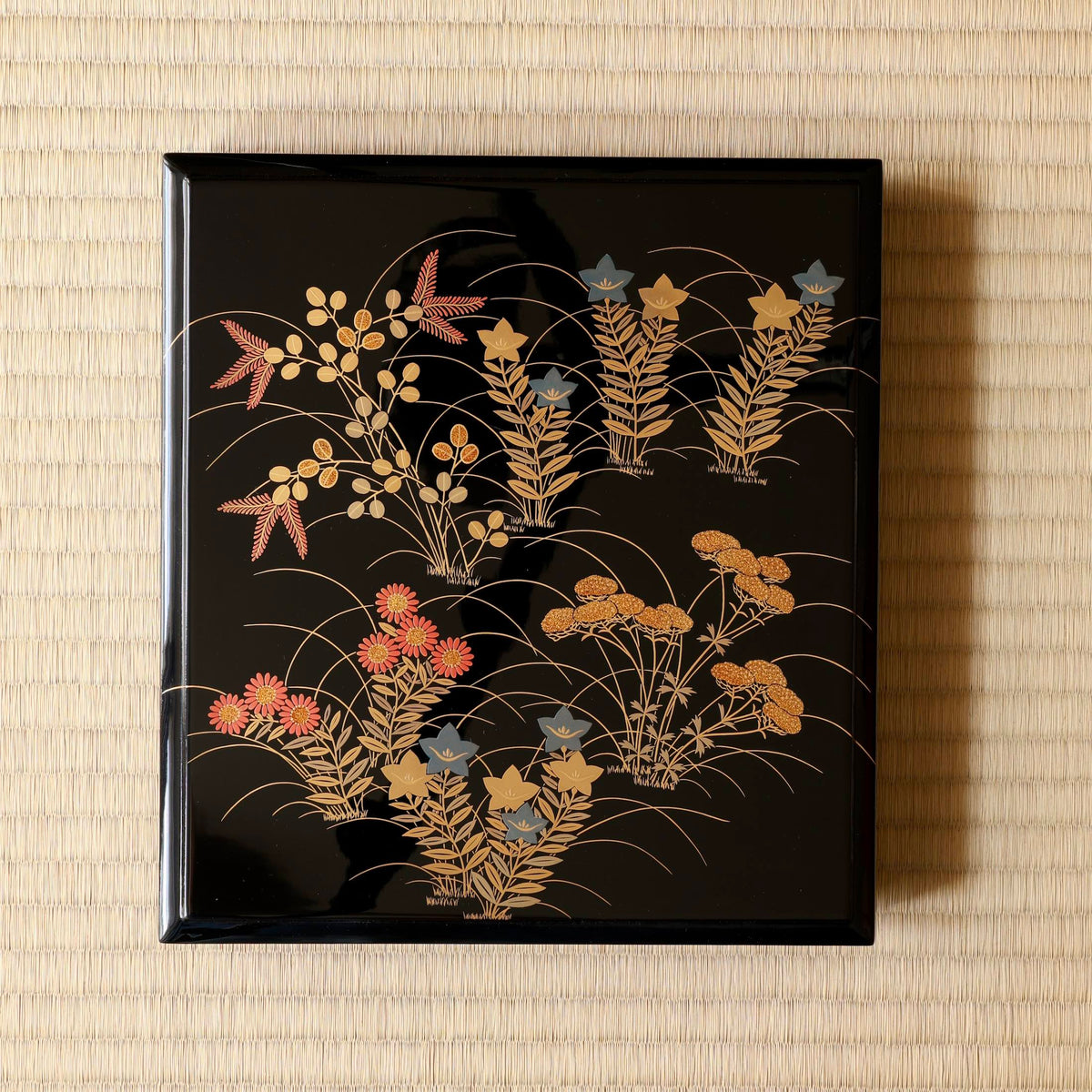

Suzuribako (Japanese writing box) lacquer and gold, akikusa (autumn plants) decoration by Zōhiko
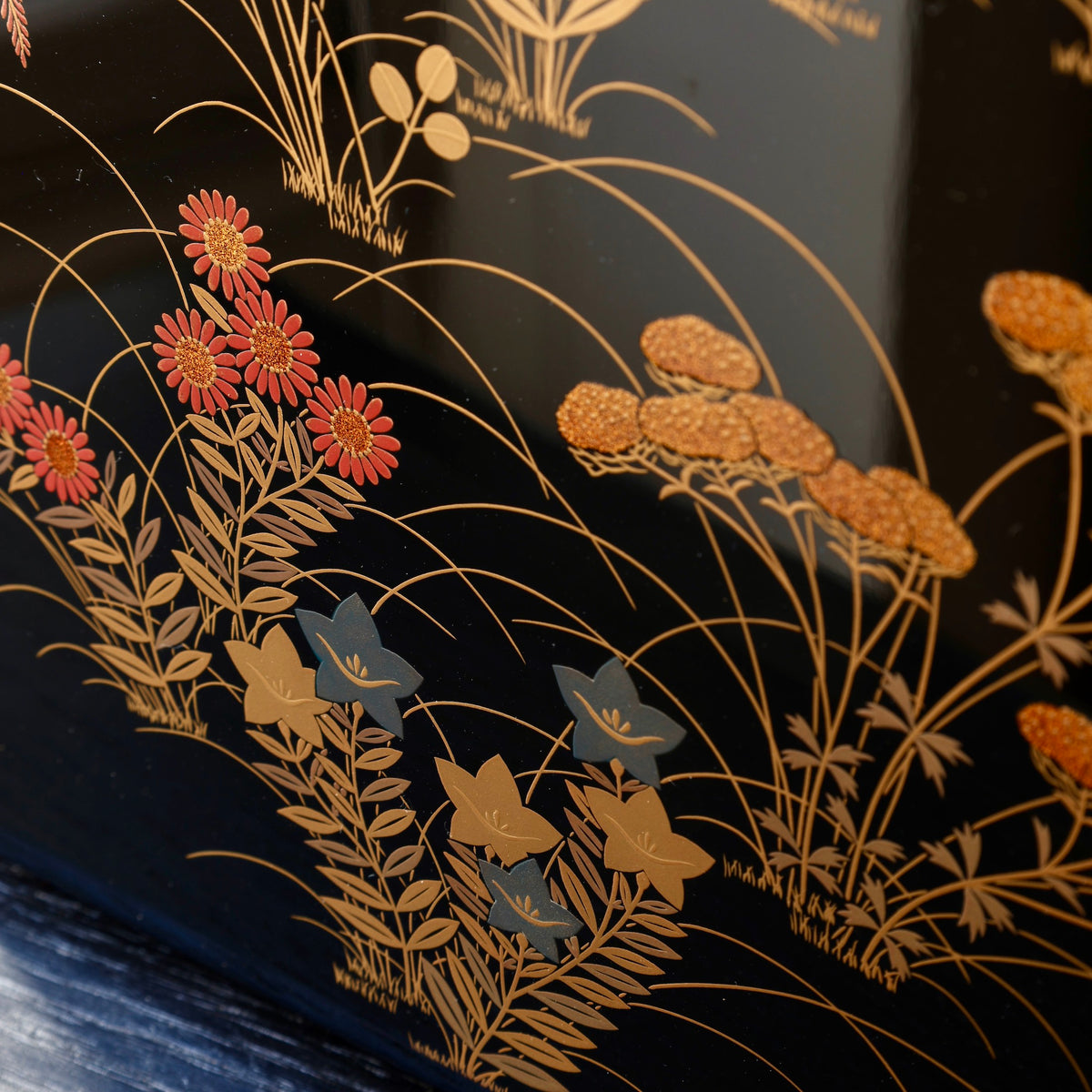
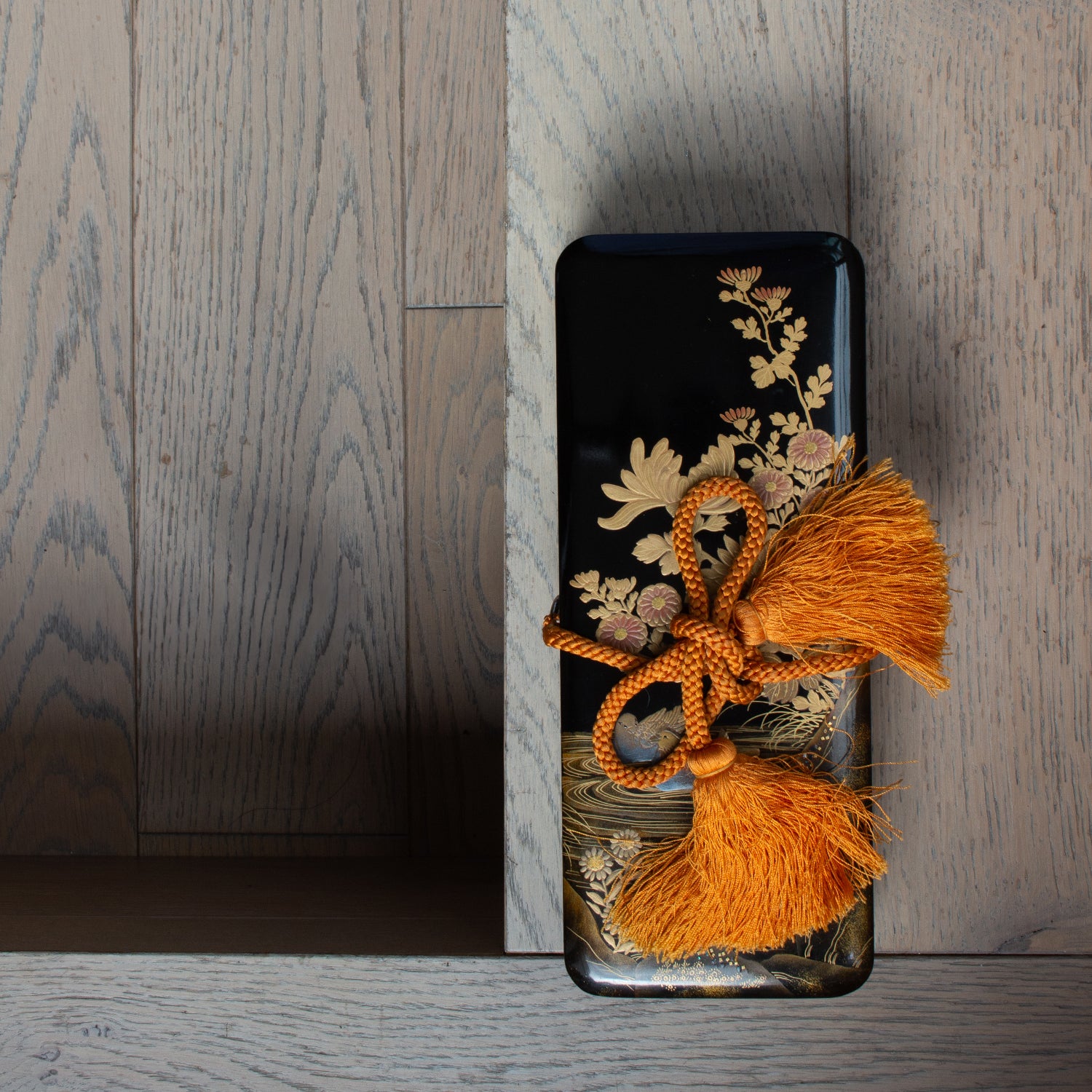
This suzuribako (Japanese writing box) in black urushi lacquer was created by Zōhiko (a prestigious lacquerware house founded in Kyōto in 1661), under the direction of its ninth-generation master, Hikobei Nishimura. Its akikusa (autumn plants) decoration, composed of flowers and grasses in maki-e (gold powder decoration), unfolds over a black lacquer of great depth and luster. The finesse of the design, the delicate variations in color, and the mastery of the composition bear witness to the exceptional craftsmanship of this historic house.
The Artisan
Founded in 1661 in Kyōto during the Edo period, the Zōhiko house is among the oldest and most prestigious of Japanese lacquerware houses. Its name refers to its emblem, the elephant, associated with a creation by the third master of the Nishimura lineage. Passed down through the generations, the house earned its reputation through its creations intended for the Imperial Court, its art objects, and its refined maki-e decorations. The ninth Hikobei Nishimura, who took over its direction in 1965, perpetuated this legacy through the production of traditional objects and the preservation of ancient Kyōto lacquer techniques. Under his leadership, Zōhiko participated in the lacquer work for the throne of the new Imperial Palace in Tōkyō.
Decoration and Techniques
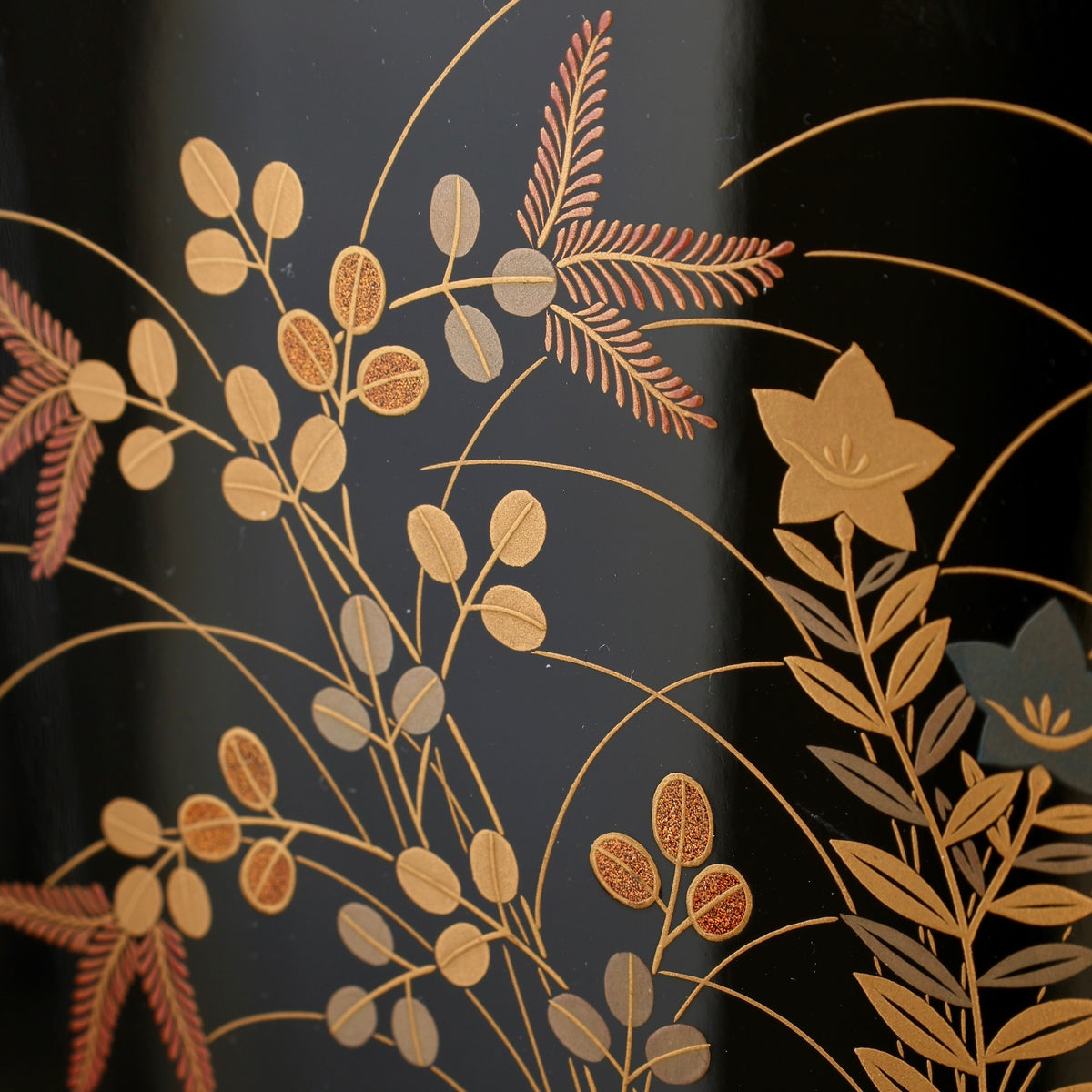
The lid features an akikusa motif, a classic theme in Japanese decorative arts bringing together various autumn flowers and plants. The composition combines kikyō (Japanese bellflowers) with star-shaped blue and gold corollas, kiku (chrysanthemums) with pinkish-red petals, ominaeshi (golden lace) with small bouquets of golden flowers, hagi (bush clover) branches, and susuki (Japanese pampas grass) whose long leaves draw fine curves across the composition.
The motifs are spread freely across the surface, without rigid symmetry. The curves of the susuki connect the various bouquets and give the ensemble an impression of lightness and movement. In the Japanese tradition, akikusa evoke the fleeting beauty of the seasons and a sensitivity to the transformations of nature.
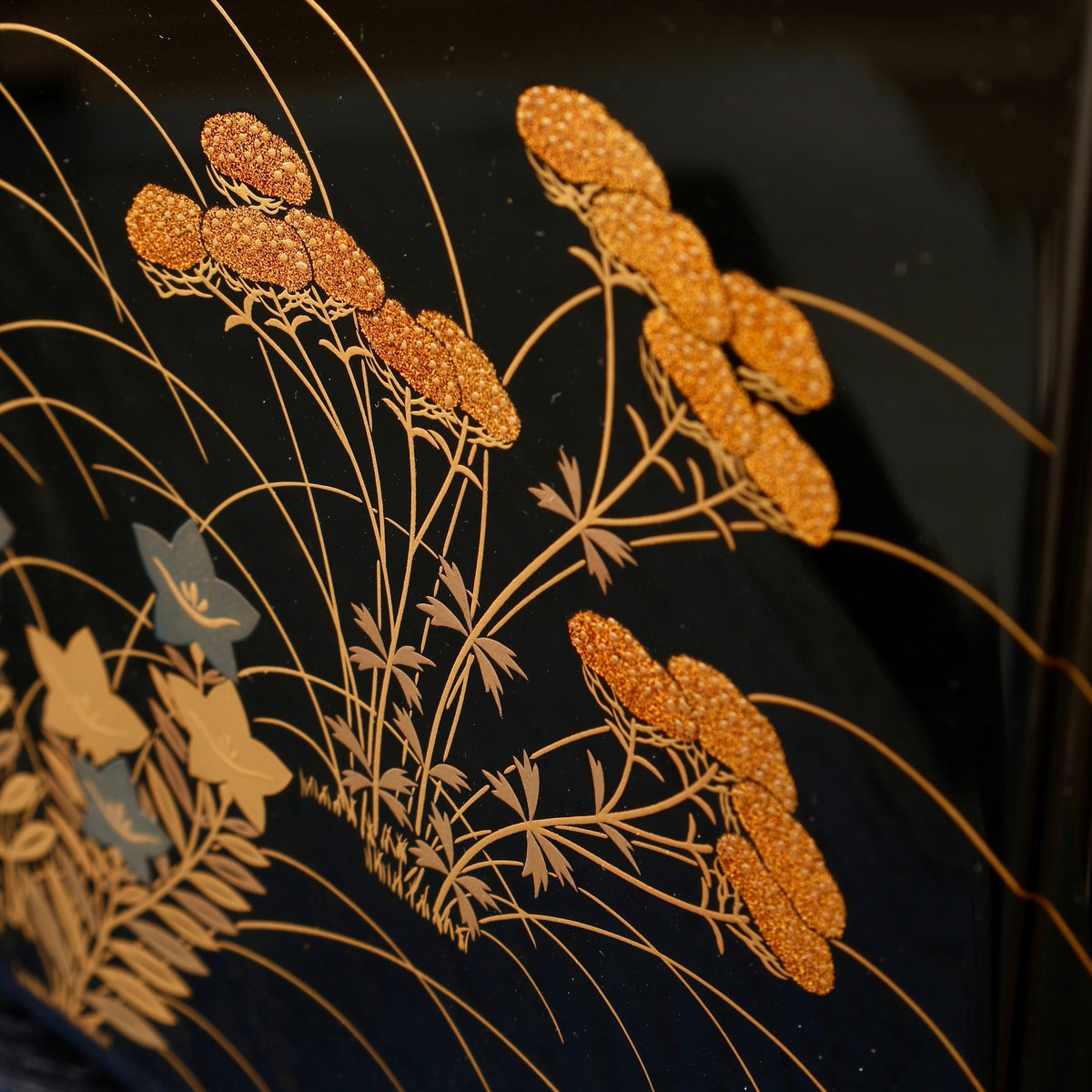
The decoration is executed in maki-e, a technique consisting of applying gold powder onto lacquer to form motifs. The flowers and foliage combine gold powders with pigmented lacquers in shades of greyish-blue and red, with a very slight relief that enriches the surface variations. The ominaeshi flowers are created in nashiji (fine gold particles scattered in the lacquer), a technique that gives them a delicate shimmer and a texture subtly contrasted with the other motifs.
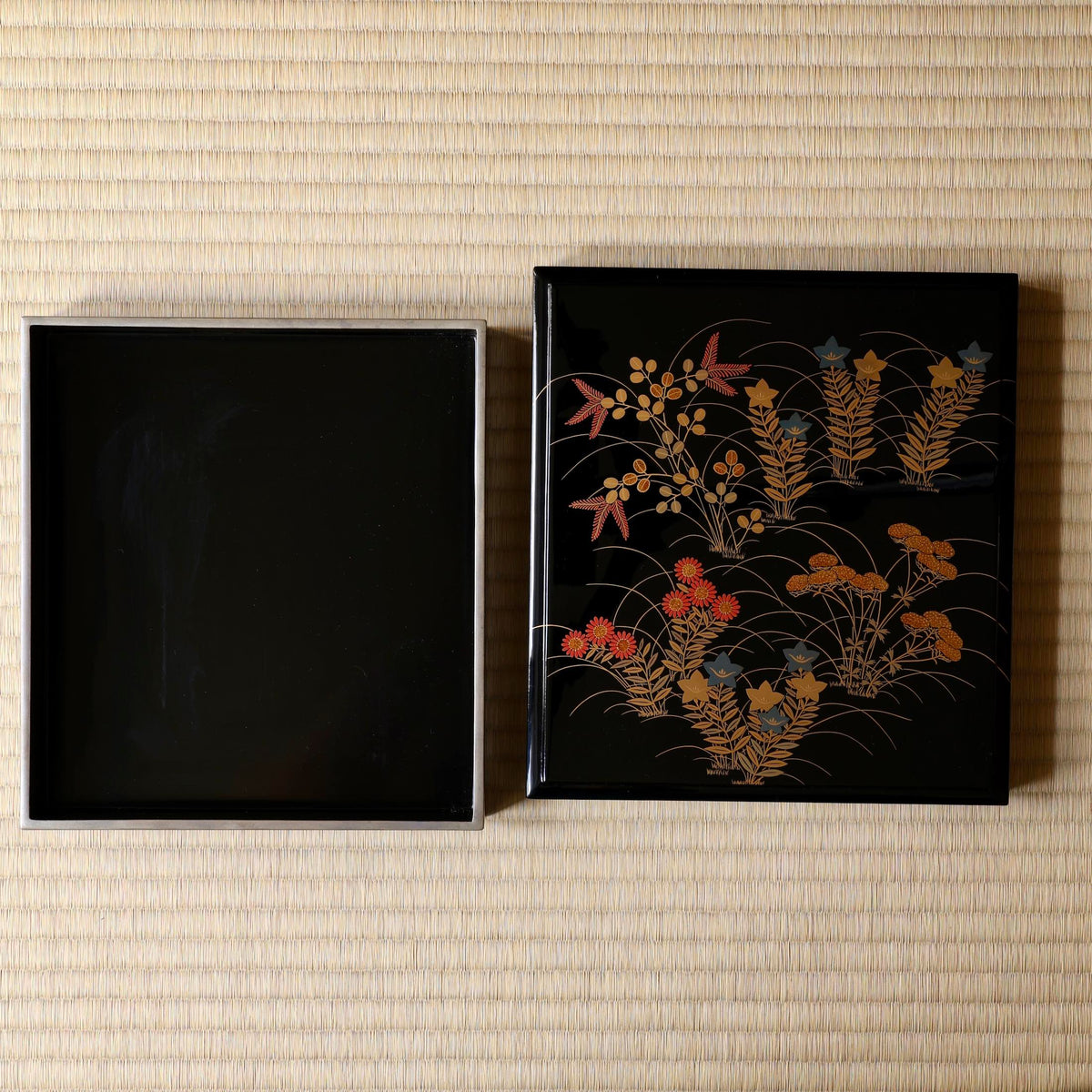
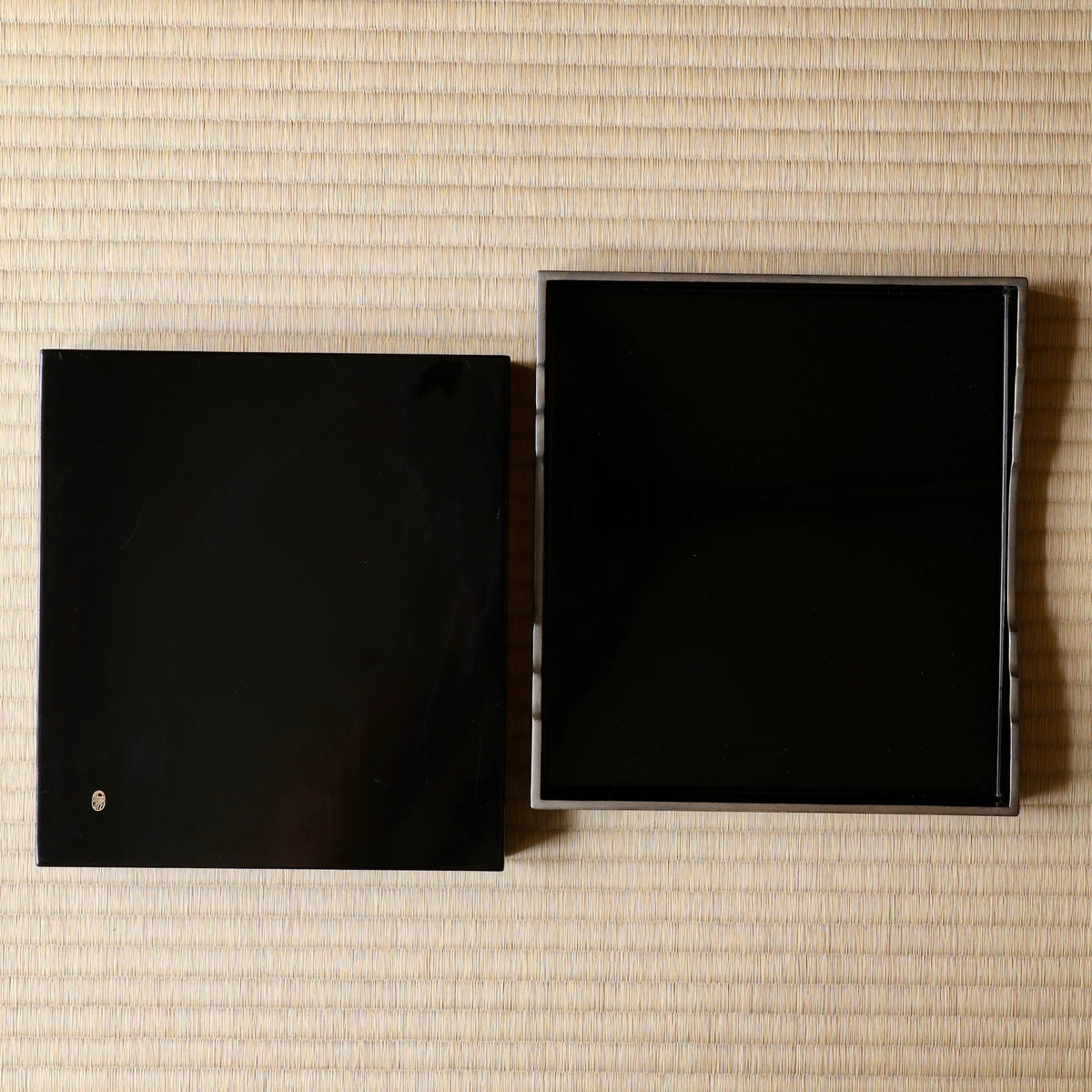
The black lacquer, of great depth, features a particularly meticulous mirror finish. Its perfectly smooth and brilliant surface reflects light with great clarity, while offering a beautiful contrast with the gold and the colors of the decor. This quality of finish relies on demanding work in the application and polishing of urushi lacquer, characteristic of the expertise of the Zōhiko house. A thin silver rim highlights the edges of the lid and the body.
Form and Usage
This suzuribako is a box traditionally intended for the practice of Japanese calligraphy. It is typically used to hold the instruments necessary for writing, notably the inkstone, the water dropper, brushes, and other small accessories used to prepare ink. Beyond its utilitarian function, it belongs to a long tradition of lacquer objects where the quality of execution and refinement of the decor also make them pieces for contemplation. Its lid is in the kabusebuta (overlapping lid) style, slightly wider than the body of the box, over which its sides fit.
Presentation
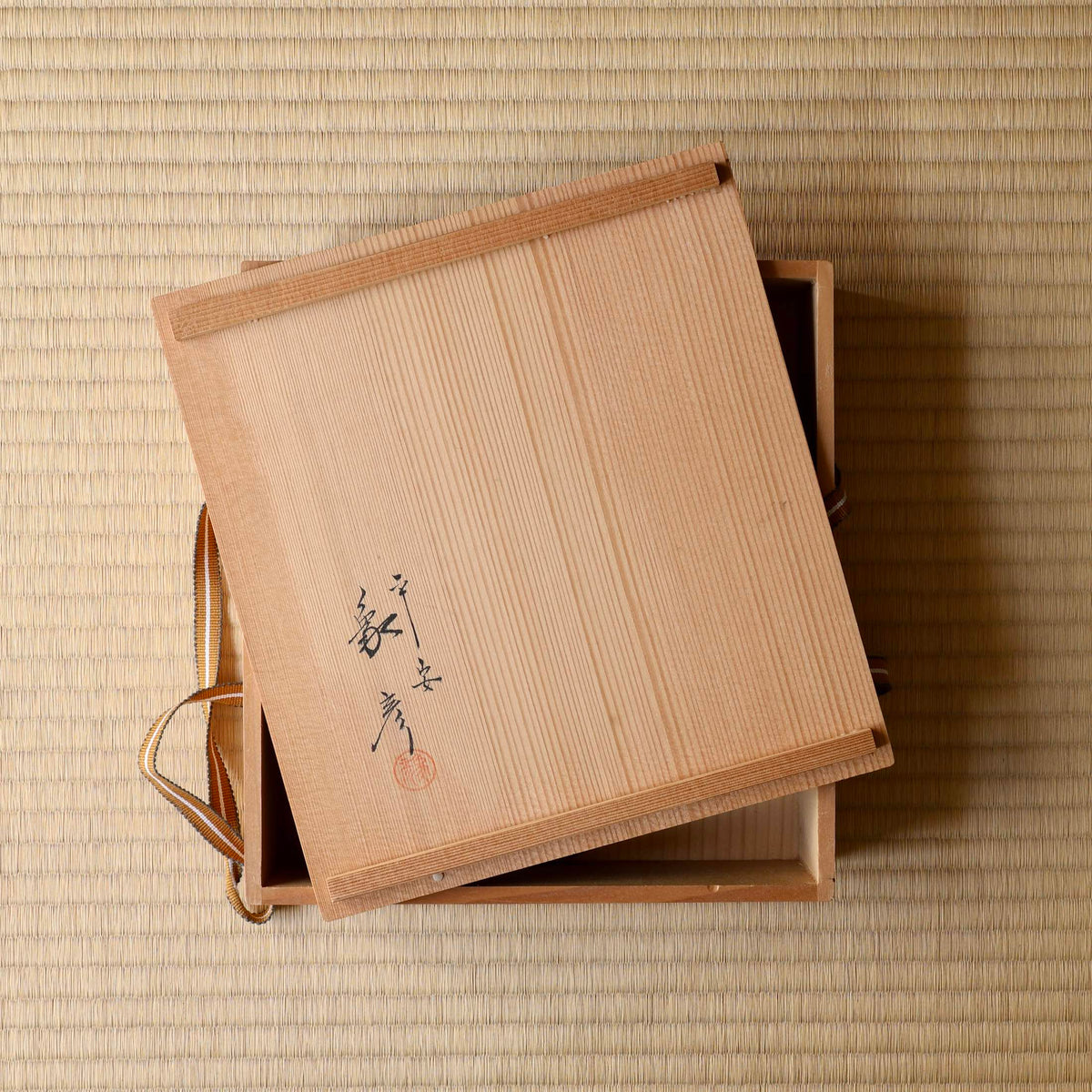
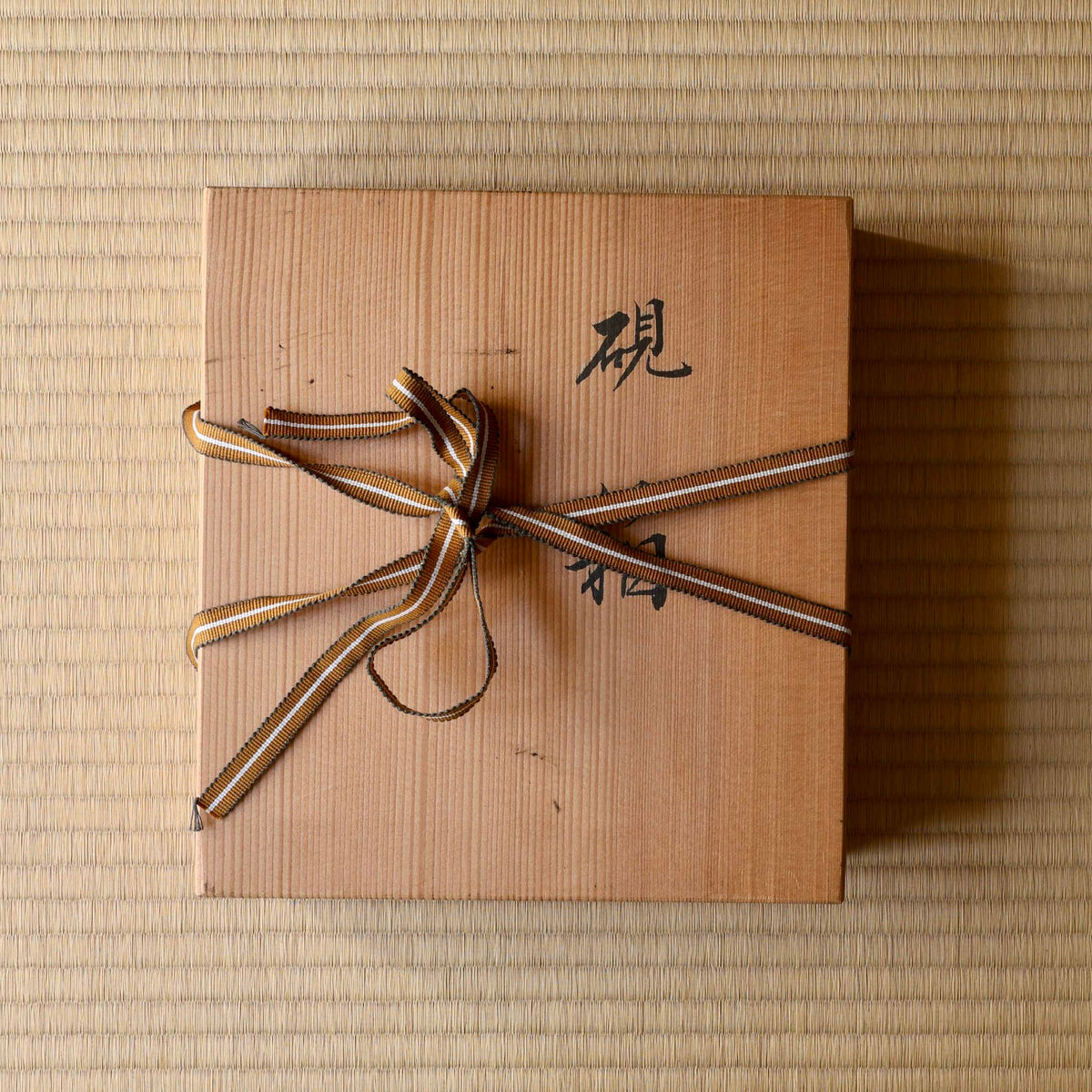
This suzuribako comes with its original tomobako (wooden storage box), bearing the calligraphed inscription of the Zōhiko house and its seal, as well as the mention "Suzuribako." It is secured with a sanadahimo (woven cord) and accompanied by a shiori (information document) from the Zōhiko house. The elephant emblem, the house's distinctive mark, also appears under the suzuribako.
Place of Manufacture
Japan, Kyōto
Period
Heisei era (1989-2019)
Dimensions
Length 24.6 cm - Width 22.4 cm - Height 4.5 cm
Weight
Box with presentation elements: 1.2 kg
Materials
Wood, urushi lacquer, gold powder, colored pigments, silver
Condition
Very good condition.
© Atelier Ikiwa – Laurence Corteggiani. Photos and texts protected. All reproduction forbidden without authorization.
KNOW-HOW
Traditional Japanese lacquer, urushi, comes from the sap of the lacquer tree (Rhus Verniciflua), which flows after incision of the bark. It is a very precious material, a tree will give a maximum of 200ml of sap in its life, which is worked by specialized craftsmen. It takes many operations, slow and meticulous, and several months of work to bring real lacquer objects to life. It is the oldest craft in Japan! Initially used to protect and waterproof objects, this immutable craft has become an art of extreme sophistication. If you want to know more about the art of Japanese lacquer, you can read our dedicated article > .
SHIPPING AND PAYMENT OPTIONS
Shipping
Free shipping in mainland France for purchases over €200. Shipping with Colissimo, delivery to your home or a pick-up point, package delivered against signature or unique code for valuable items. Orders are generally dispatched within 2 business days, except for fine art photographs, which are printed on demand, and special cases that will be announced in the banner at the top of the site (e.g., in case of absence). Learn more >
Payment options
Secure card payment with Shopify Payments and 3D Secure technology.
Visa, MasterCard, American Express, Cartes Bancaires, PayPal, Apple Pay, Shop Pay, and Klarna.
Klarna: Pay in 3 interest-free installments or within 30 days, for purchases up to €1,500, subject to Klarna's approval. You will be redirected to Klarna to log in or create an account and confirm your payment.
PayPal: You will be redirected to PayPal to log in and confirm payment. New users can create an account during checkout.
Your invoice will be sent with your order.
Returns and exchanges
14 days to change your mind. Learn more >
CARE INSTRUCTIONS
Clean with a very soft cloth to avoid scratches, soaked in a little warm water if necessary (never soak your lacquer objects). No microwave, dishwasher, dryer. Do not expose to direct sunlight for a long time (risk of discoloration). If the atmosphere is very dry and very hot, and to avoid the risk of cracking, you can place a glass filled with water next to your lacquer object.
Choose options
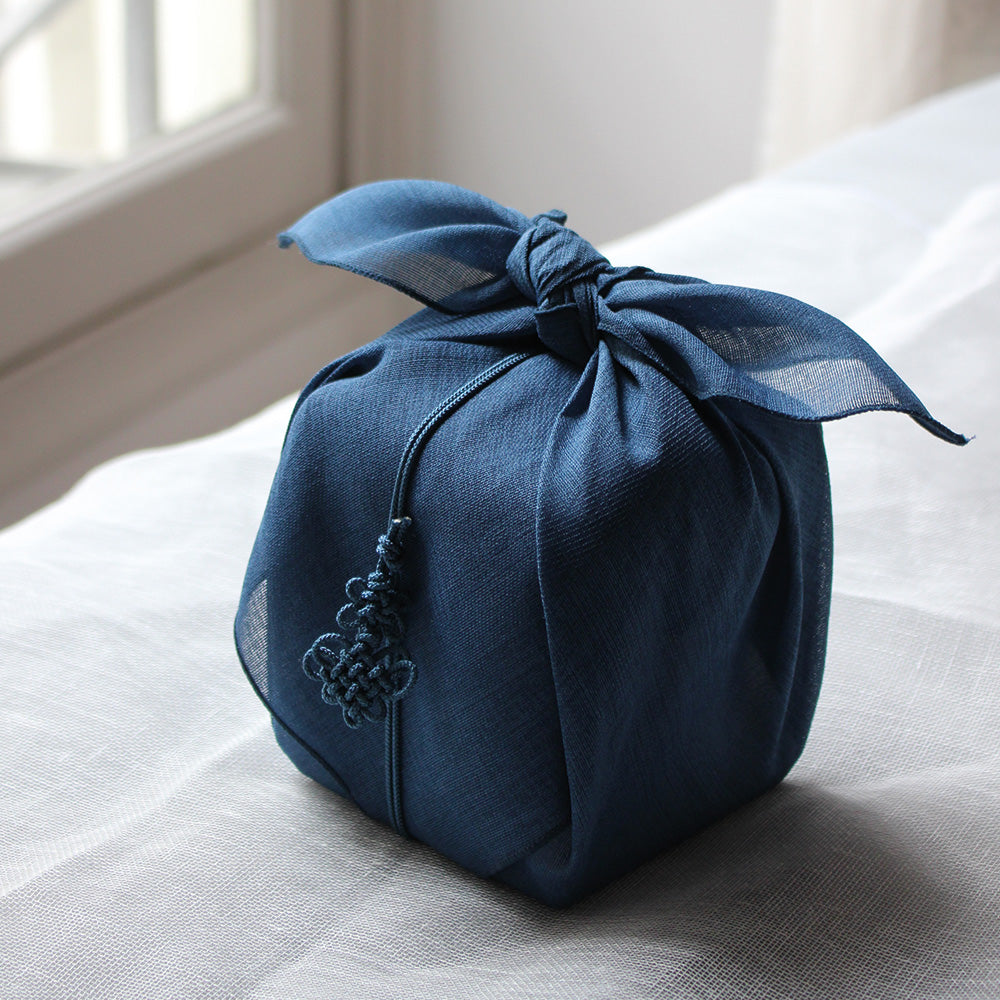
The art of wrapping
The exceptional items are wrapped in a beautiful fabric beautifully knotted using the little-known art of Korean pojagi and decorated with a delightful maedup (Korean ornamental knot). Details and conditions >
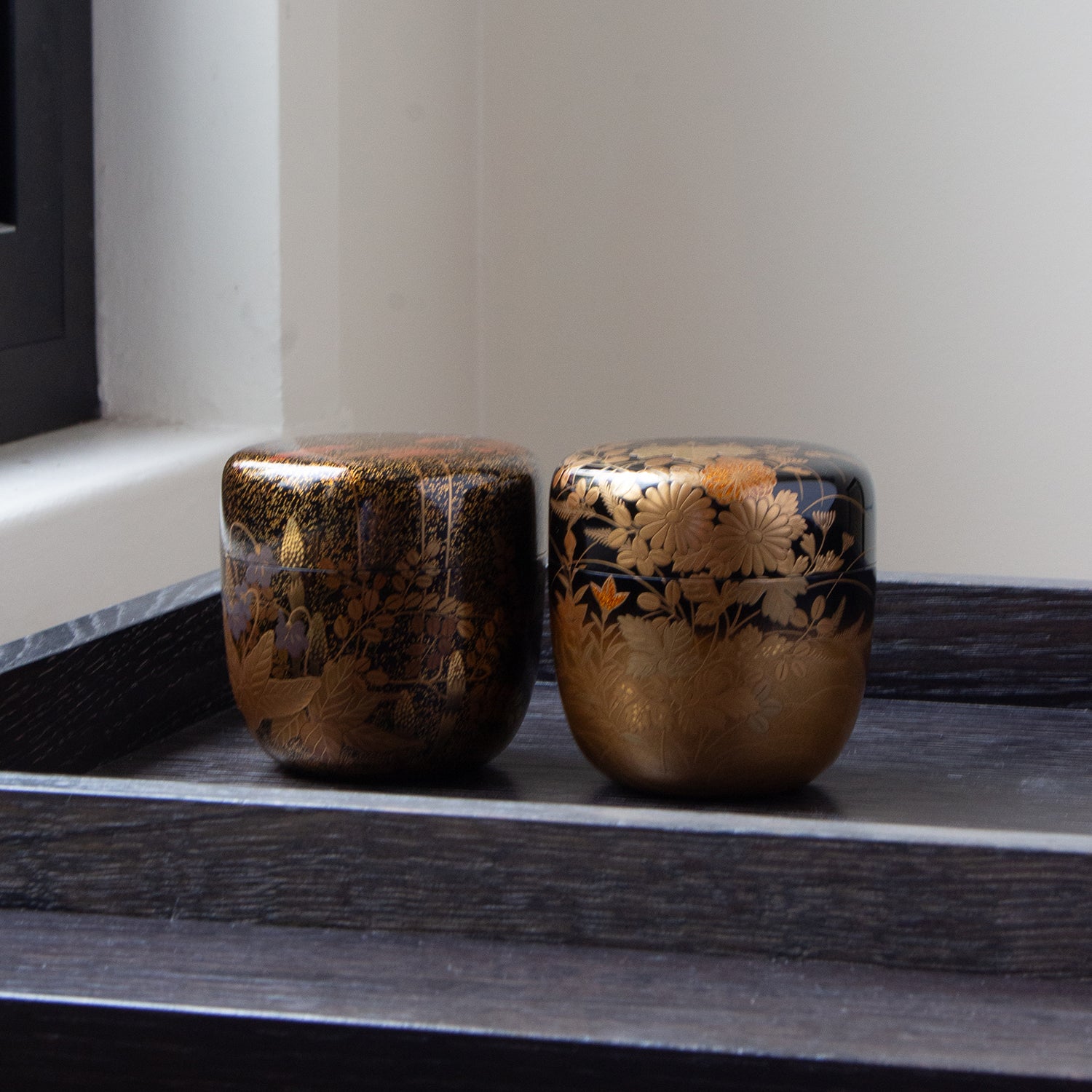
WRAPPING
Exceptional items are wrapped in textiles tied according to the Korean pojagi art