



Hagi-yaki ceramic vase by Hideo Hadano
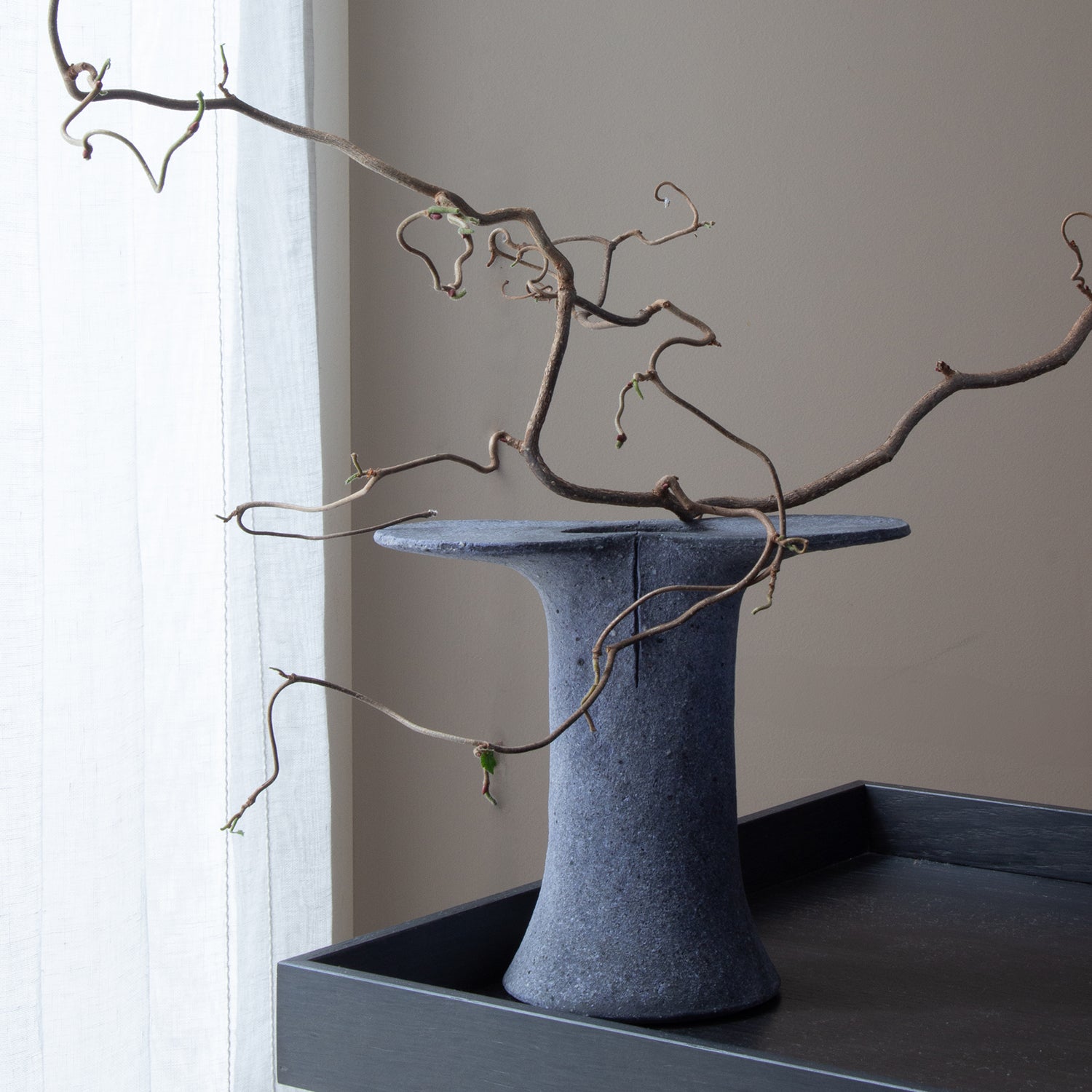
This glazed stoneware vase, crafted by Japanese ceramicist Hideo Hadano, is a perfect expression of the Hagi-yaki style. Covered with a white glaze characteristic of shiro-hagi , it presents subtle variations in texture: the soft, milky surface reveals, in places, the roughness of the clay and a subtle browning at the base, creating a refined interplay of materials. The whole fully embodies the wabi-sabi aesthetic dear to lovers of tea ceramics.
Hagi-yaki , developed in the city of Hagi (Yamaguchi Prefecture), originates from 16th-century Korean stoneware. It is distinguished by its soft, porous glazes, which evolve over time and with use. Highly valued in the world of chanoyu (tea ceremony) , Hagi-yaki reveals a discreet and changing beauty, in accordance with the principles of the way of tea.
Hideo Hadano, born in Hagi in 1971, graduated in sculpture from Tama Art University (1996). His work is regularly selected for major Japanese ceramics and traditional crafts exhibitions. He notably received the Saga TV Prize at the Kyushu Yamaguchi Ceramics Exhibition (2003), as well as a silver medal at the Otaki Ceramics Exhibition (Hokkaidō). He has been selected several times for the "Forms of the Tea Ceremony" exhibition at the Tanabe Art Museum. A member of the Japan Crafts Council, he pursues demanding research around Hagi-yaki , renewing glaze effects and textures. His pieces are very popular with Japanese ceramics enthusiasts and connoisseurs of the way of tea.
The vase is signed (engraved) under its base. It is presented in its signed wooden box (tomobako), along with an information document (shiori) detailing the profile of the ceramist.
| PLACE OF MANUFACTURE | JAPAN |
| DIMENSIONS | Height 20.5 cm - Width 11.8 cm |
| WEIGHT |
1160g (vase + box) |
| MATERIALS | Ceramic |
© Atelier Ikiwa – Laurence Corteggiani. Photos and text protected. All reproduction prohibited without authorization.
KNOW-HOW
Japanese ceramics, born more than 10,000 years ago, are a dialogue between earth and fire, a quest for harmony through imperfection.
With a wide variety of high-quality raw materials, such as rich clays and natural glazes, each region has developed its own techniques, reflecting the identity of its terroir.
Hand-crafted, these vases, made using the most precious Japanese ceramic techniques, bear the imprint of a master craftsman who is the heir to a thousand-year-old tradition. This living art embodies the essence of Japan, where history and nature unite in beauty.
Although deeply rooted in tradition, these exceptional Japanese ceramic vases, signed by very big names, have a resolutely contemporary spirit while preserving their authenticity, incredibly decorative and wonderfully timeless sculptural pieces.
DELIVERY AND PAYMENT OPTIONS
Shipping
Free shipping in mainland France for purchases over €200. Shipping with Colissimo, choice of Home delivery or Relay Point, package delivered against signature or unique code for valuable items. Orders are generally sent within 2 business days, except for art photographs which are printed on demand and special cases which will be announced in the banner at the top of the site (e.g., in case of absence). Learn more >
Payment Options
Secure card payment with Shopify Payments and 3D Secure technology.
Visa, MasterCard, American Express, Cartes Bancaires, PayPal, Apple Pay, Shop Pay and Klarna.
Klarna: pay in 3 interest-free installments or within 30 days, for purchases up to €1,500, subject to Klarna's approval. You will be redirected to Klarna to log in or create an account and confirm your payment.
PayPal: You will be redirected to PayPal to log in and confirm the payment. New users can create an account during checkout.
Your invoice will be sent with your order
Returns and Exchanges
14 days to change your mind. Learn more >
CARE INSTRUCTIONS
Handle with care. Rub gently with a soft cloth. Do not place near a heat source.
Choose options
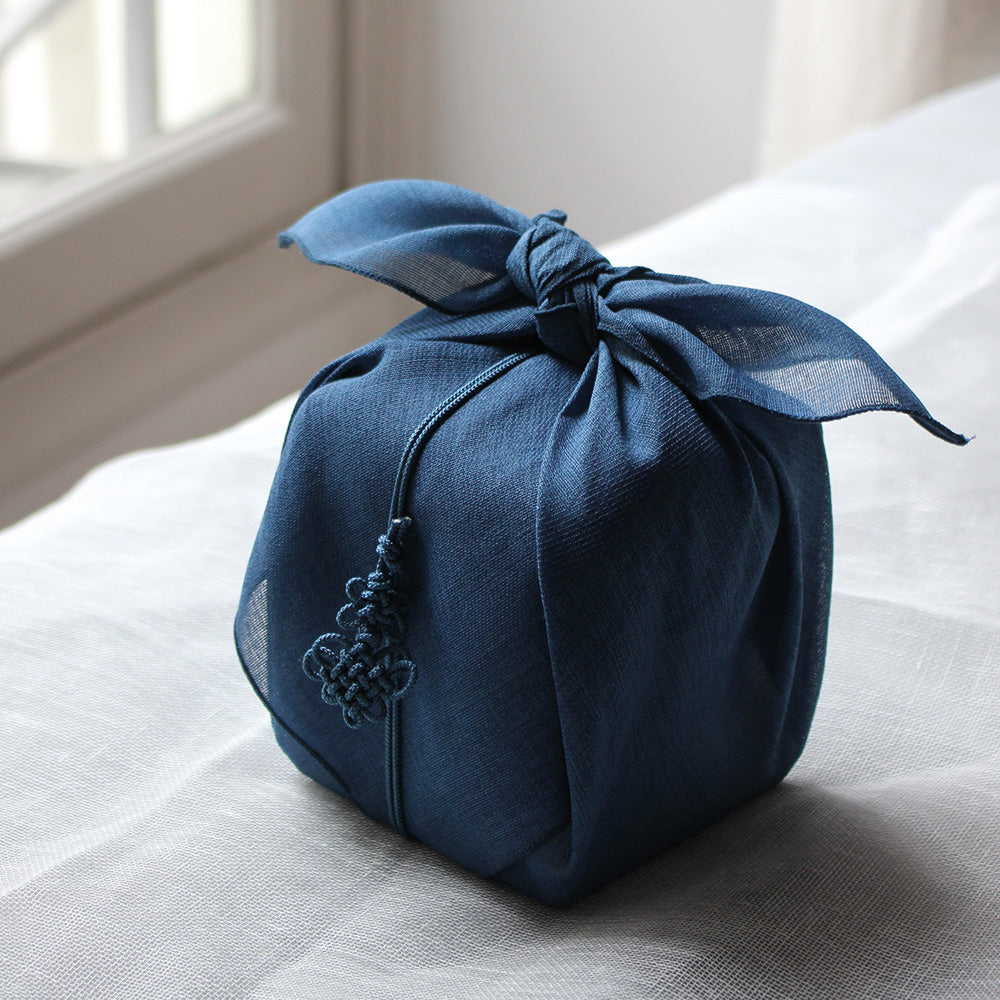
The art of wrapping
The exceptional items are wrapped in a beautiful fabric beautifully knotted using the little-known art of Korean pojagi and decorated with a delightful maedup (Korean ornamental knot). Details and conditions >

WRAPPING
Exceptional items are wrapped in textiles tied according to the Korean pojagi art