



Kōgō ceramic kōgō by Meidō Gotō and Japanese nerikō (incense balls)
In the art of Japanese incense, the kōgō is a small, precious box that preserves and showcases the nerikō, refined incense tablets made from precious woods and spices. Together, they embody a sensory tradition rooted in the elegance of gestures and the subtlety of fragrances, which Atelier Ikiwa was keen to celebrate by offering a carefully curated selection of superb kōgō, here crafted by the ceramicist Meidō Gotō, accompanied by their nerikō boxes to introduce this little-known art.
The craftsman
This ceramic kōgō was created by Meidō Gotō, the first master of the Mandokoro gama kiln, the garden kiln of Kōdaiji located within the Entokuin complex in Kyoto. A Zen monk and ceramicist, he founded this kiln in the immediate postwar period. He dedicated himself to raku firing techniques and glazes inspired by oribe, whose thick glazes, color contrasts, and vibrant textures became the hallmark of Mandokoro gama. His work received support from the Urasenke tea house, which widely distributed his pieces among chanoyu practitioners.
The technique and the decor
This kōgō adopts the delicate form of a musubi, the symbolic Japanese knot. Its volumes evoke a knotted ribbon, whose tension and softness are reflected in the flowing lines and central crossing. In Japanese culture, the musubi represents connection, kindness, and continuity.
The rosy-red glaze, crisscrossed by a network of fine cracks, belongs to the oribe style cultivated in the Mandokoro kiln: a thick glaze, applied in a generous layer, whose firing creates subtle variations in tone and allows the ochre clay to show through in places. This technique, inherited from oribe research, combines the energy of the material with the softness of the molten glaze. The base of the piece bears the signature of Meidō Gotō.
The nerikō
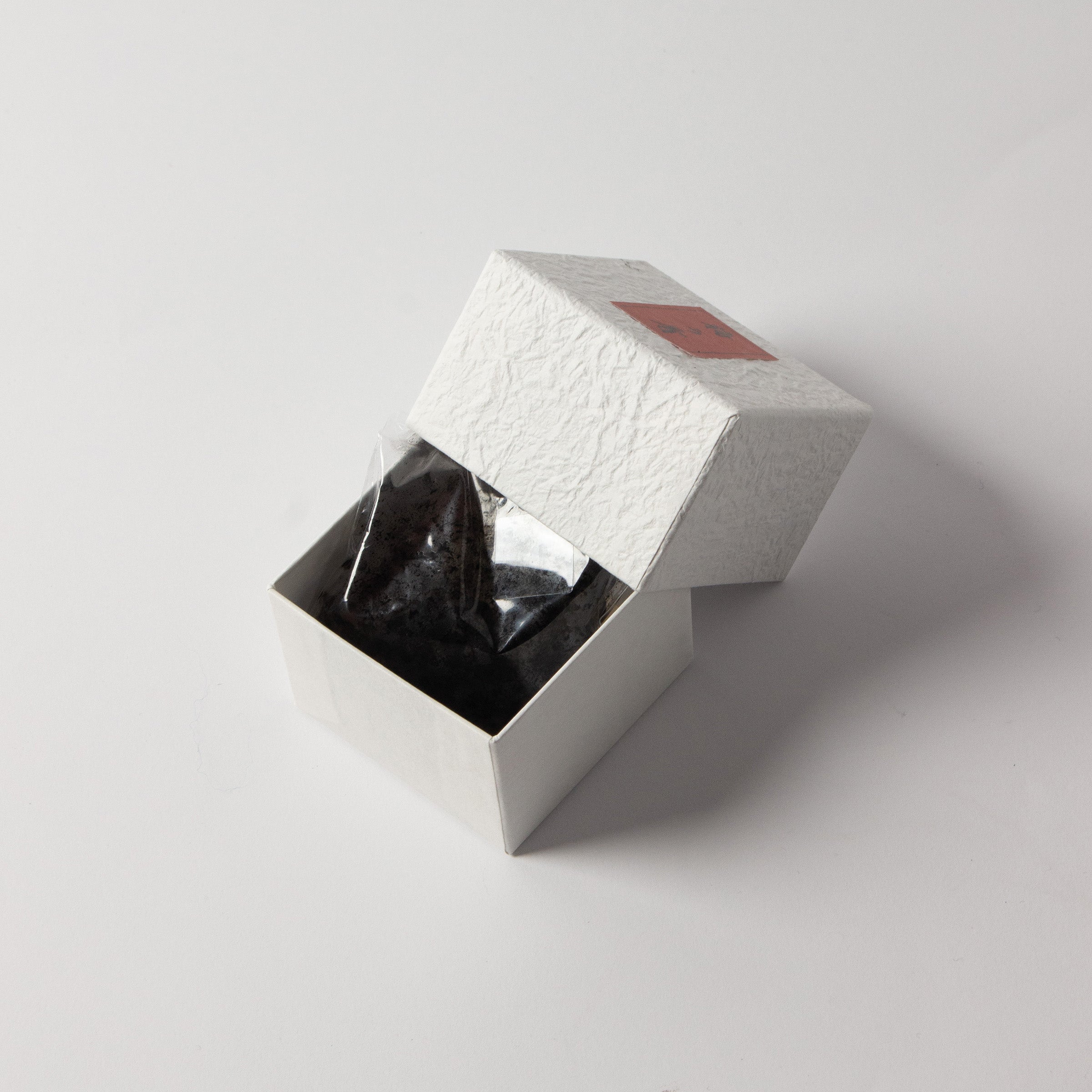
To enjoy the kōgō as intended, a box of nerikō is also included. This box contains thirty-six nerikō beads, each composed of a delicately fragrant blend based on sandalwood, crafted by one of Kyoto's oldest incense houses. To use them, place two or three in the kōgō and leave the lid slightly ajar. To stop the fragrance, simply close the lid. The nerikō beads should be replaced when they become dry. It is important to store unused nerikō in the tightly sealed plastic bag to prevent them from drying out.
To discover the art of Japanese kōgō and nerikō, we invite you to read the article we wrote on the subject, available via this link . Other kōgō are available on the site; feel free to browse our selection.
Practical information
Place of manufacture
Japan (Kyoto)
Dimensions
Length 5.8cm - Width 5.7cm - Height 3cm –
Weight
181 g with the wooden box
Materials
Ceramic
Period
Shōwa era (1926-1989)
Condition
Wear consistent with age and use. This piece is old, and it has a small chip on the back of the kōgō, which does not detract from the beauty of the piece but whose presence is taken into account in the price offered.
Presentation
For the kōgō: protective box made of paulownia tomobako wood bearing the title of the work, the inscription of the Zen master Takeda Masushū, as well as the signature and official seal of the craftsman.
For the nerikō: box containing thirty-six nerikō marbles.
The kōgō and nerikō will be packed together in a white cardboard box wrapped in a beautiful, skillfully knotted textile, making it an original, unique, and very elegant ready-to-give gift.
Usage tips
Place two or three nerikō beads in the kōgō, leave the lid slightly ajar to diffuse the fragrance or closed to stop diffusion. Replace the beads when they become dry and store any unused beads in their airtight bag. Keep out of reach of children and pets. Do not ingest. Avoid prolonged skin contact. If you experience discomfort or sensitivity to the scent, discontinue use. Store away from heat, humidity, and direct sunlight.
DELIVERY
Delivery
Free delivery in mainland France for purchases over €200. Orders are generally dispatched within 2 working days, except in special cases, as indicated in the banner at the top of the website.
Precious objects are wrapped in a cloth tied according to the precious Korean art of pojagi. Some exceptions apply, particularly if the objects are large. Learn more >
Detailed delivery information is available via this link >
Your invoice will be sent by email
Payment methods
By card (Stripe operator): Visa, MasterCard, Discover, American Express.
Secure card payment with 3D Secure.
By PayPal, Apple Pay, Google Pay and Shop Pay
Returns and exchanges
14 days to change your mind.
Choose options

The art of wrapping
The precious objects are wrapped in a beautiful cloth beautifully tied according to the little-known art of Korean pojagi. Details and conditions >
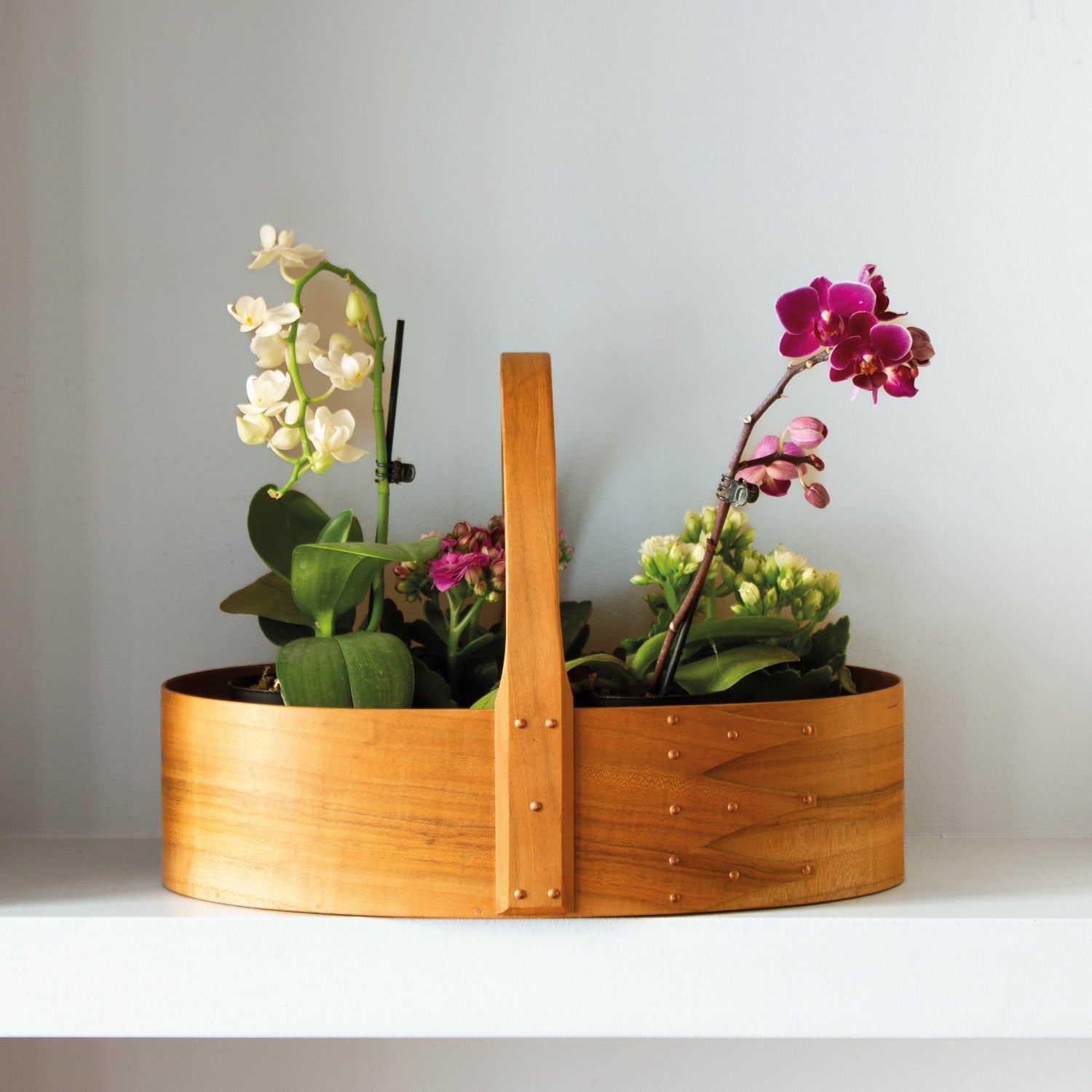
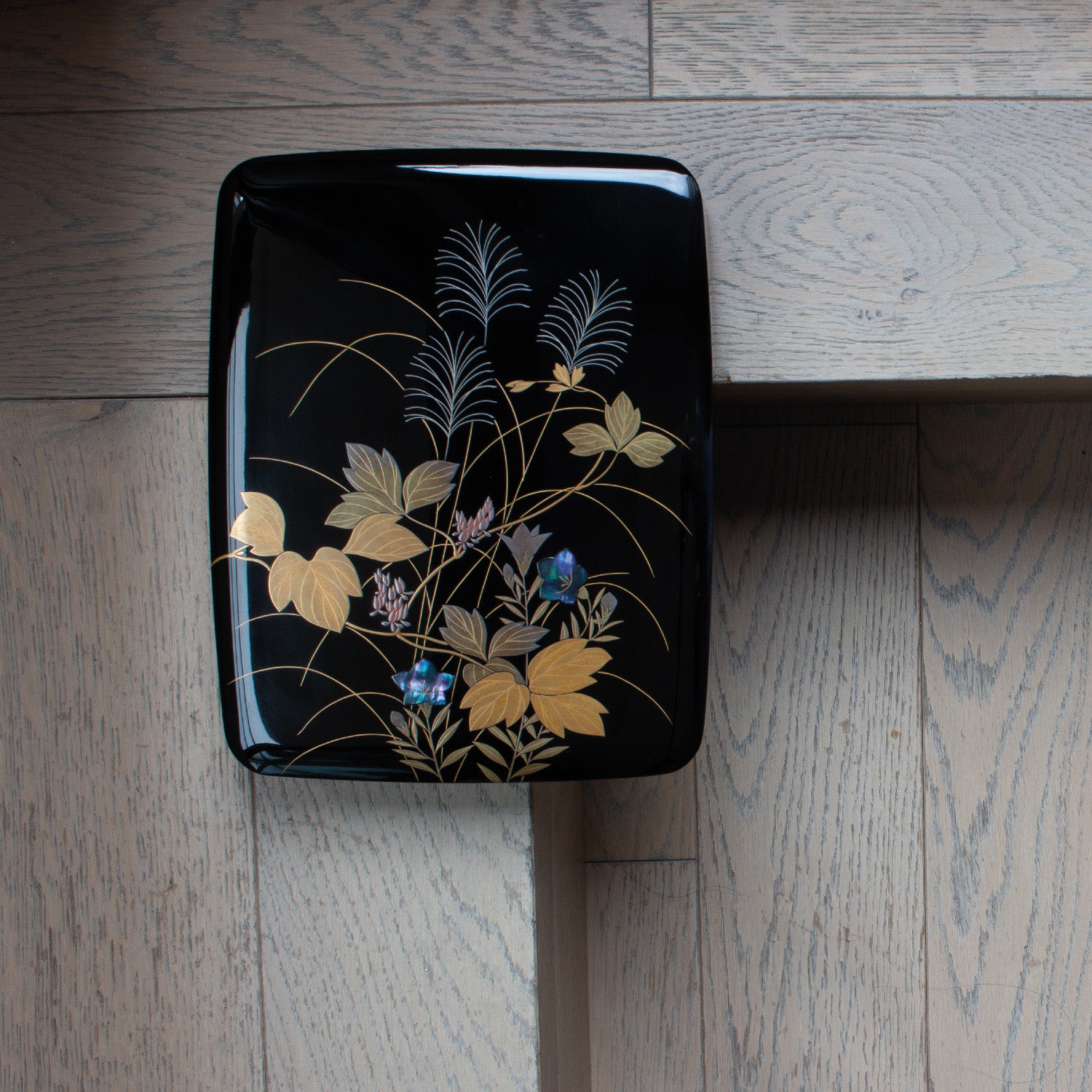
WRAPPING
Precious objects are wrapped in textiles tied using the Korean art of pojagi.