
Japanese Lacquer Boxes: Objects of Art and Tradition
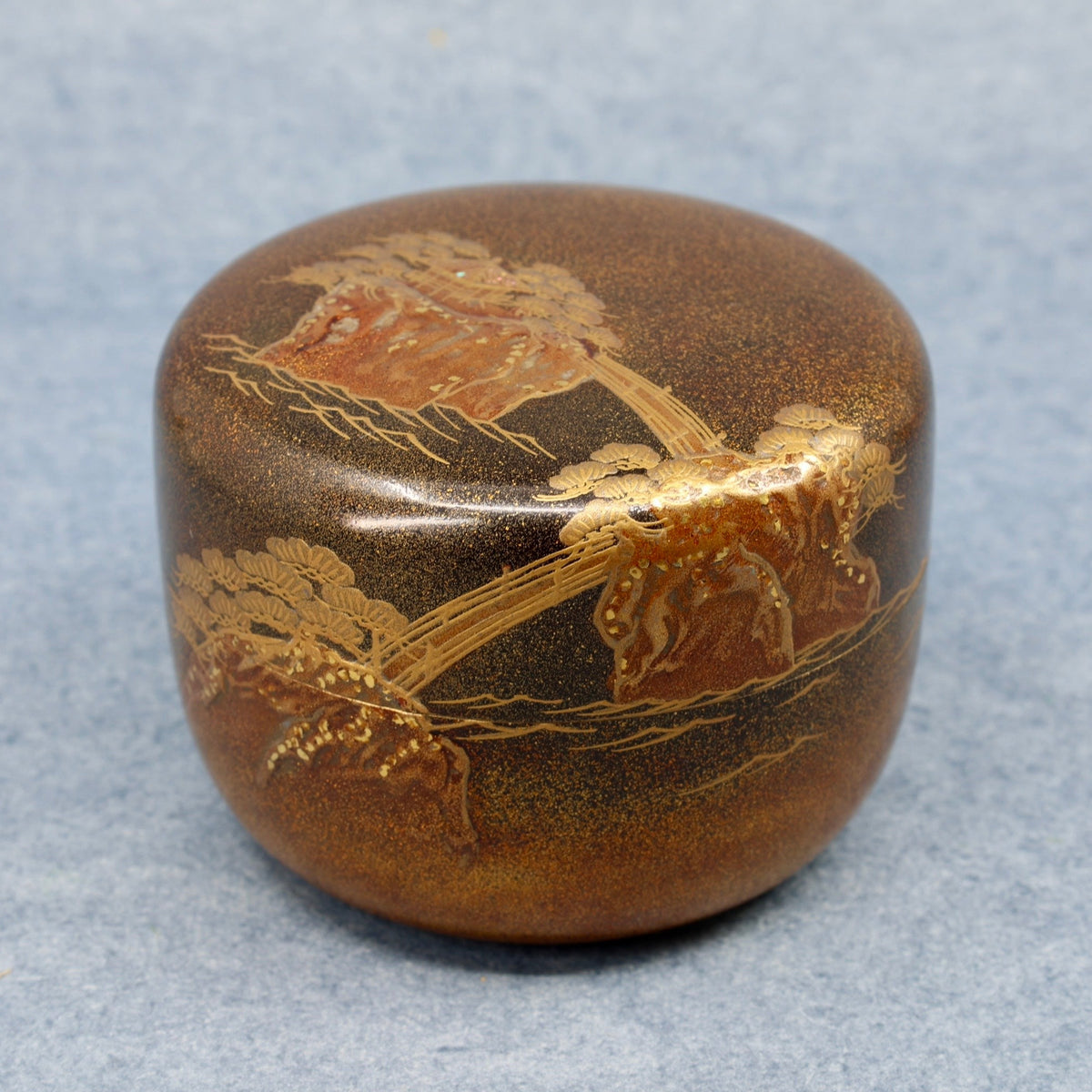
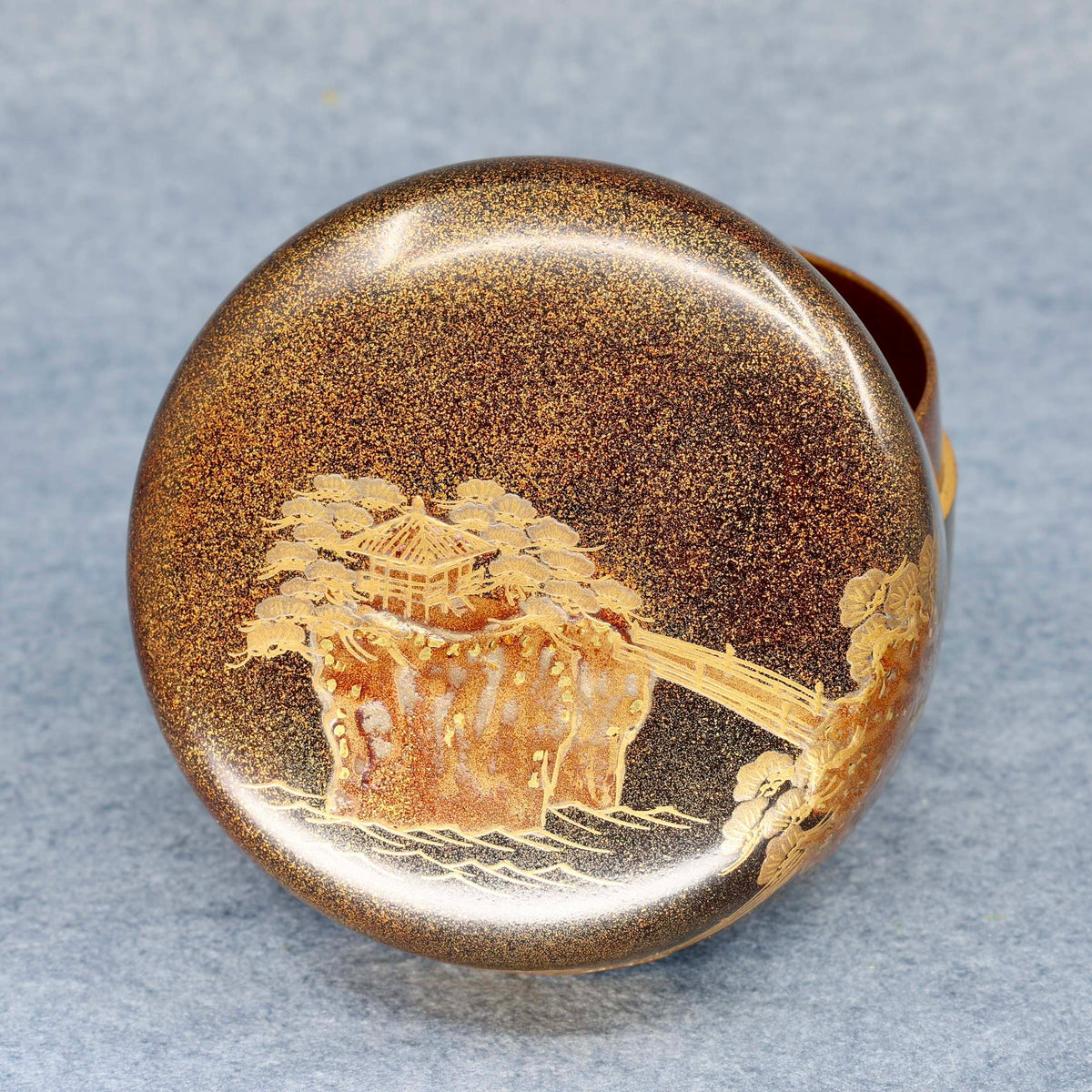
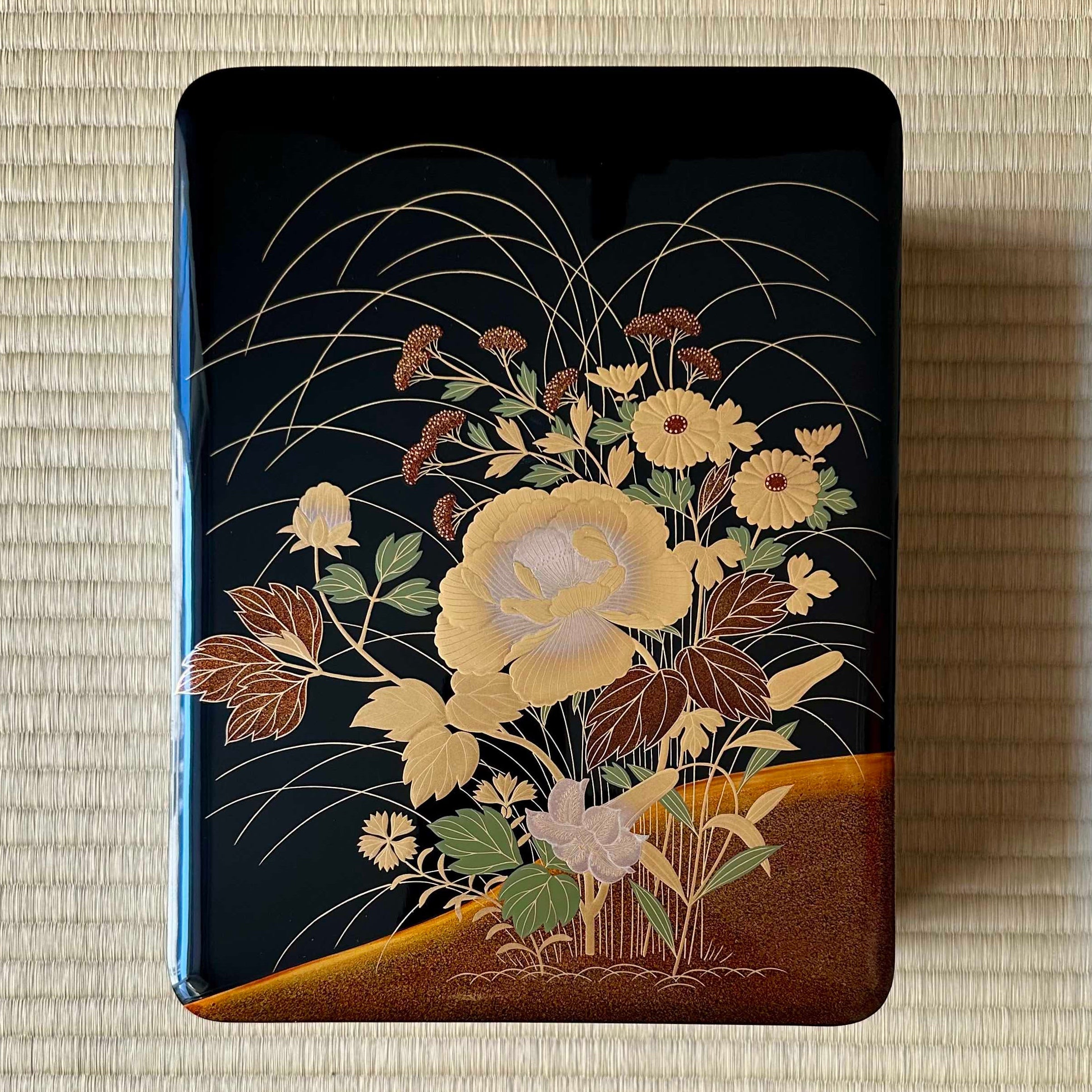
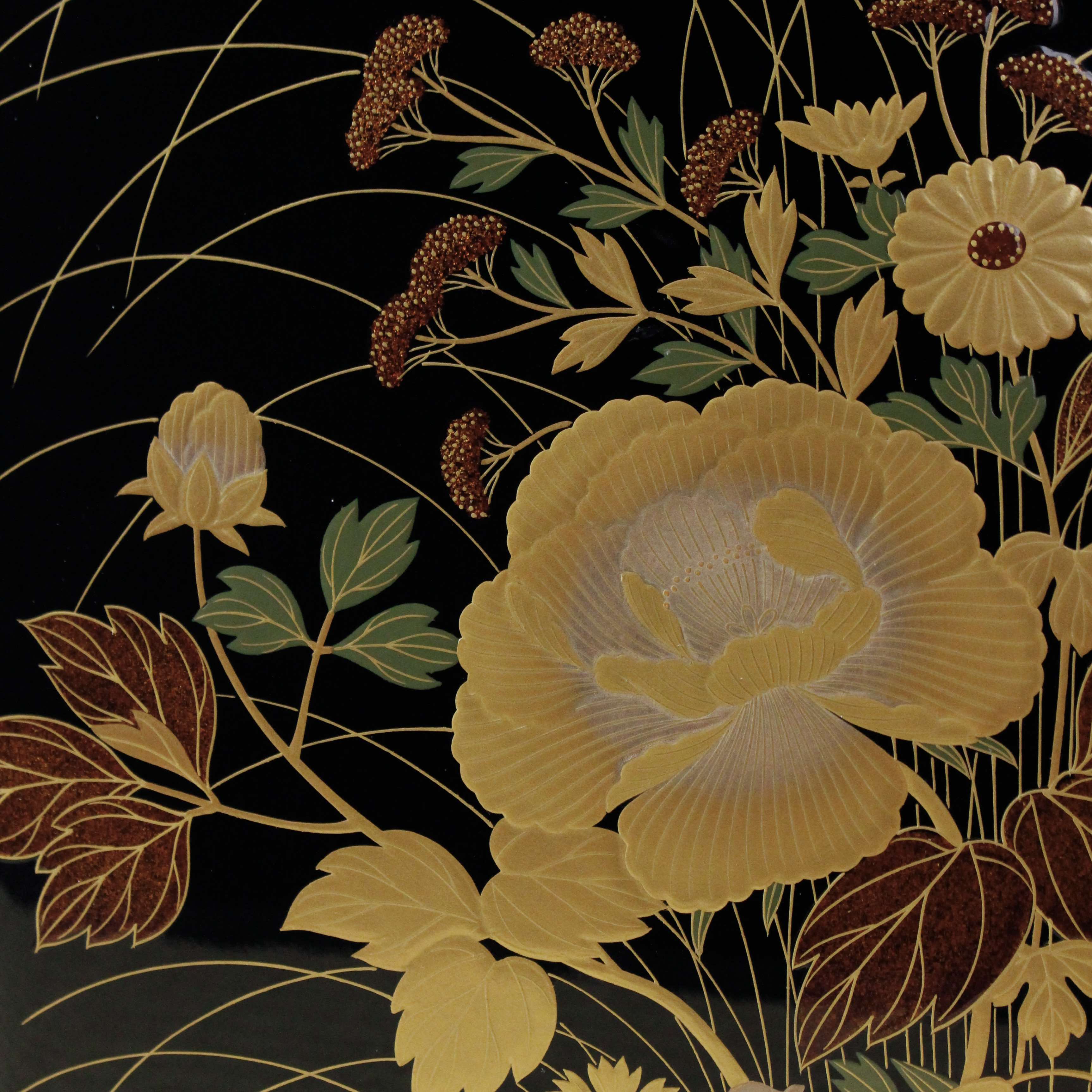
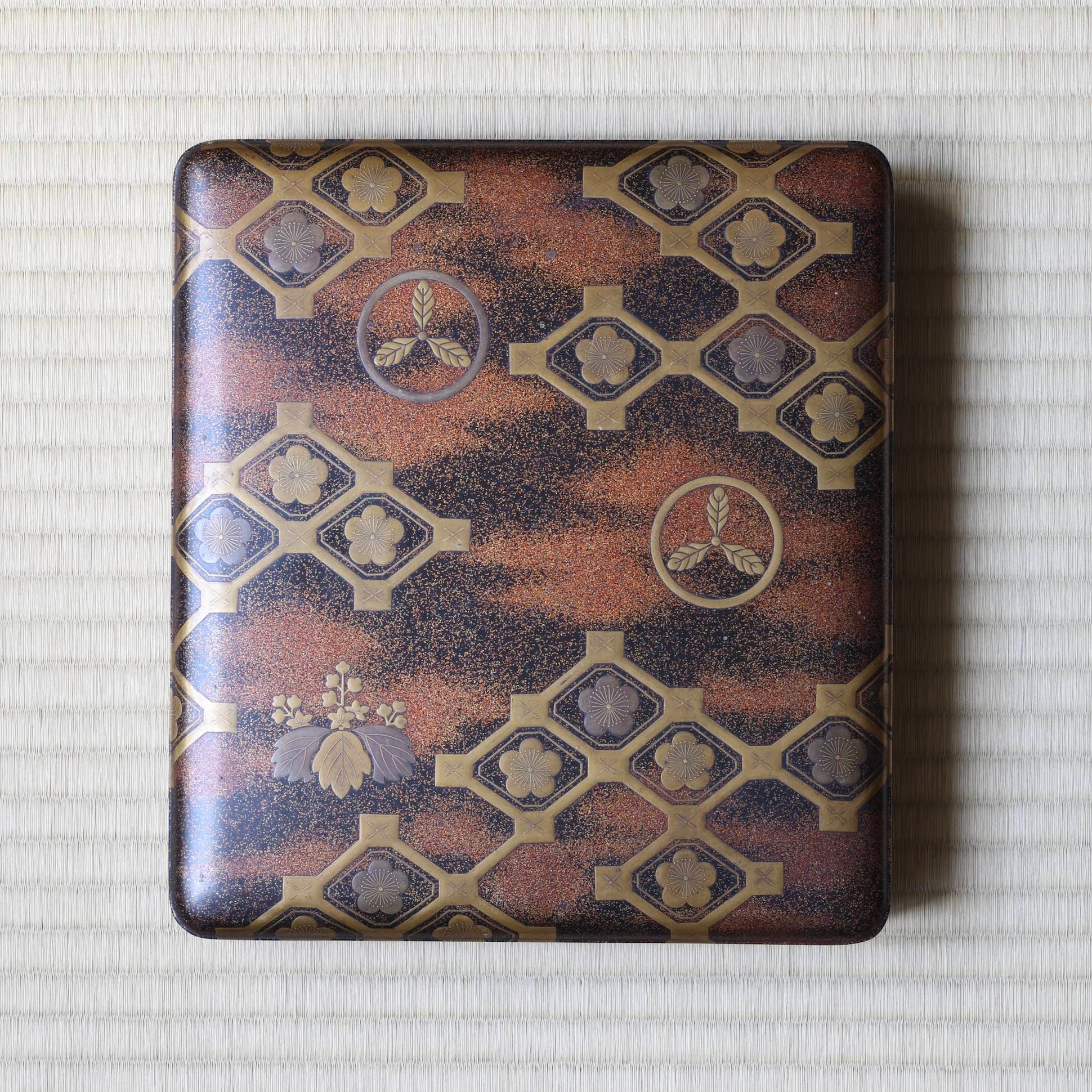
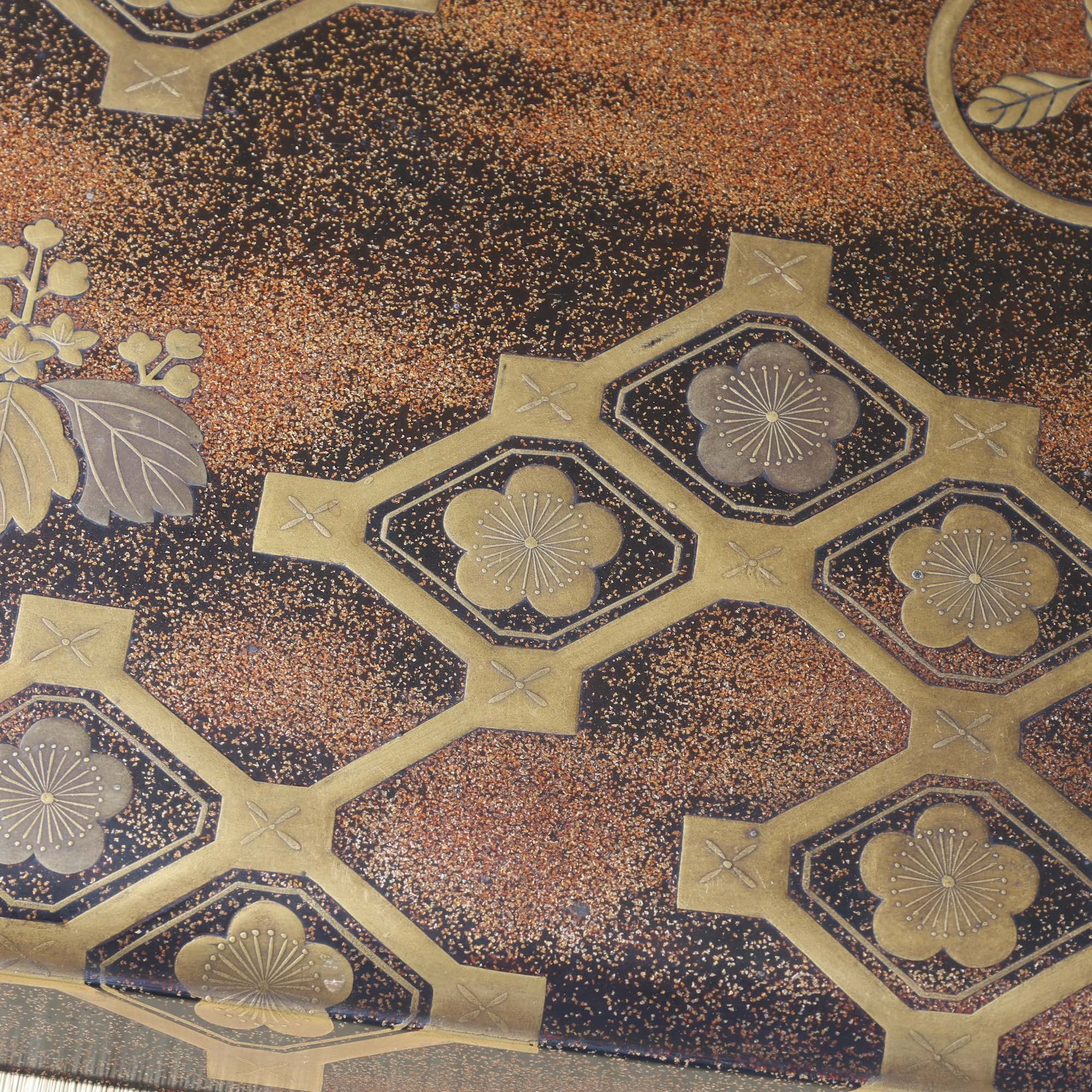
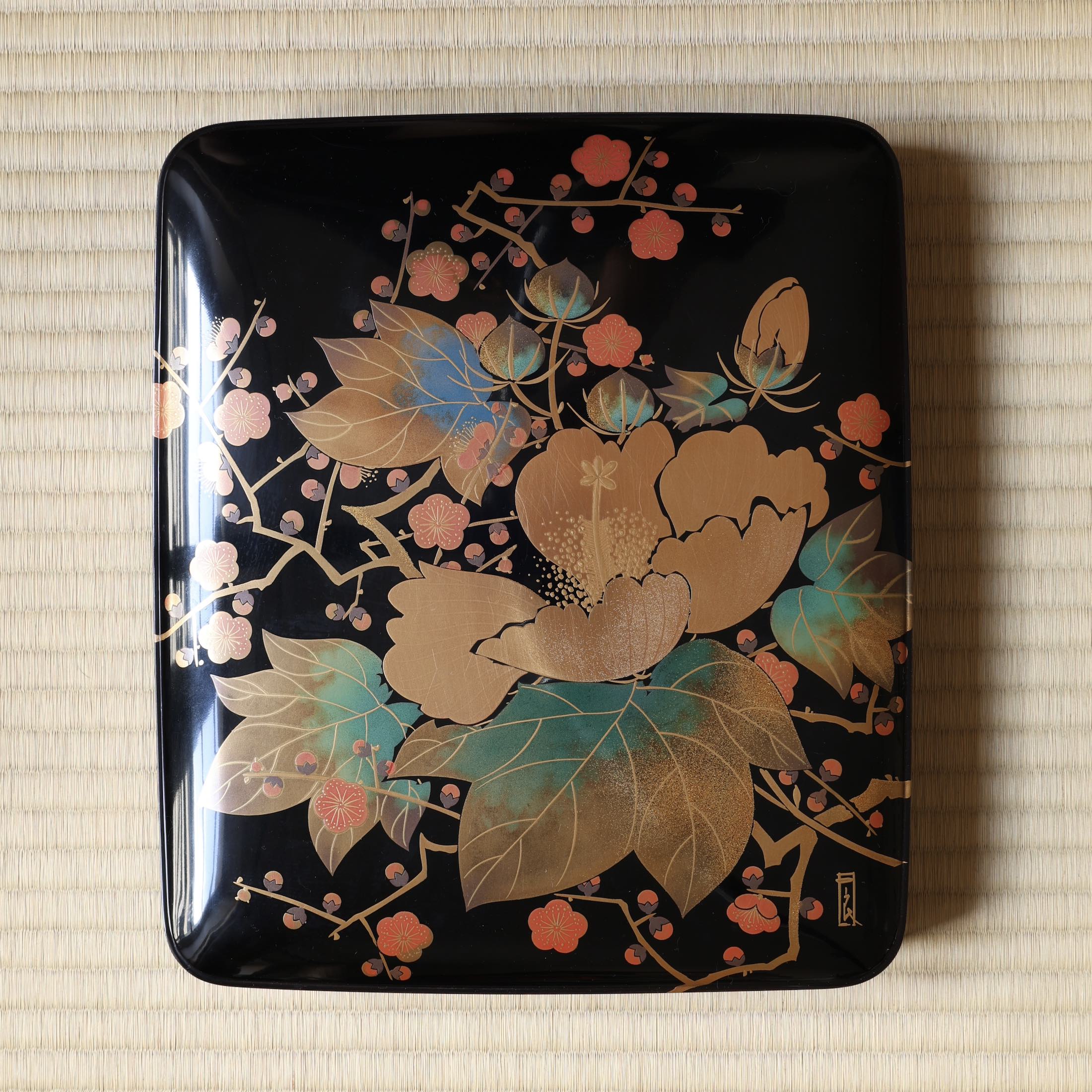
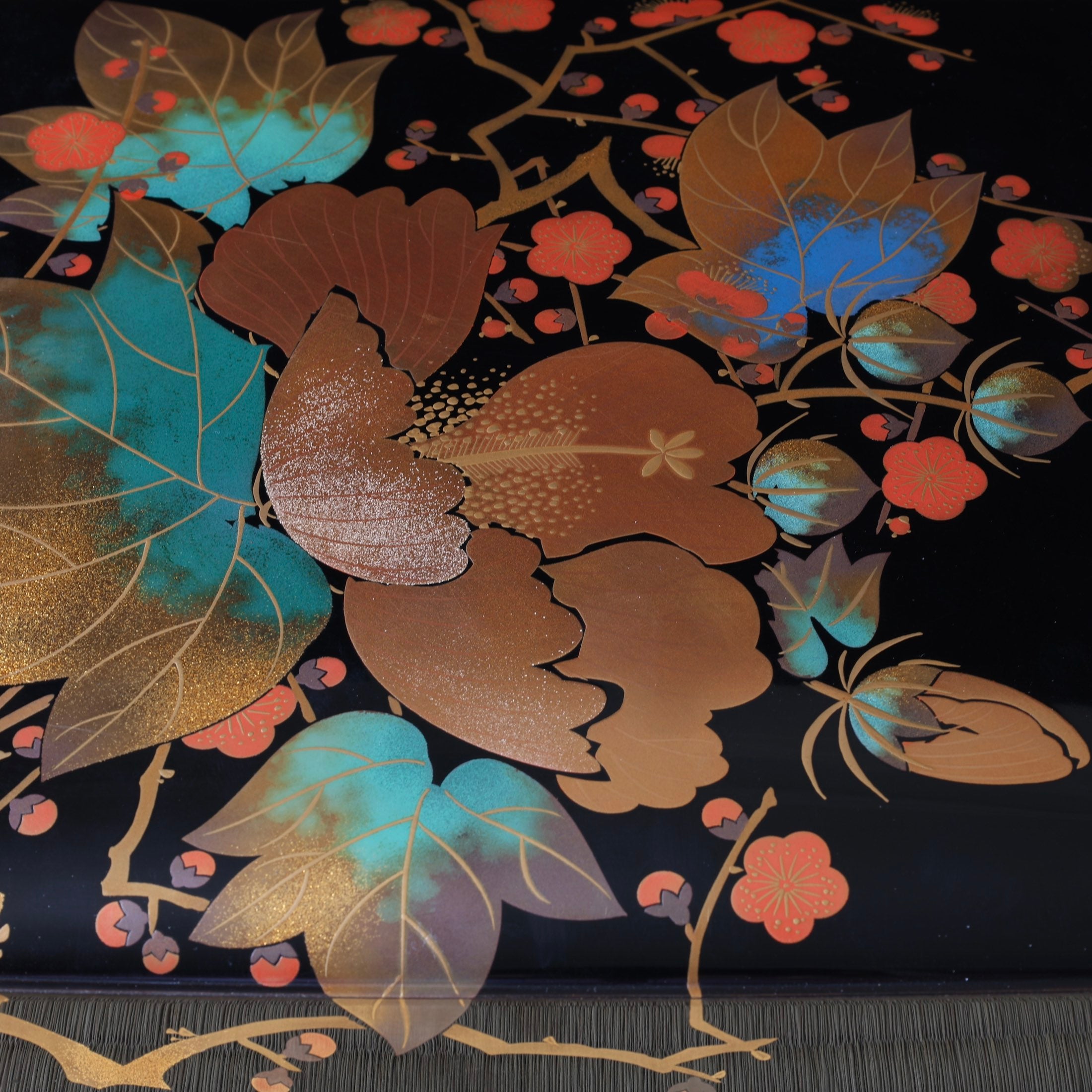
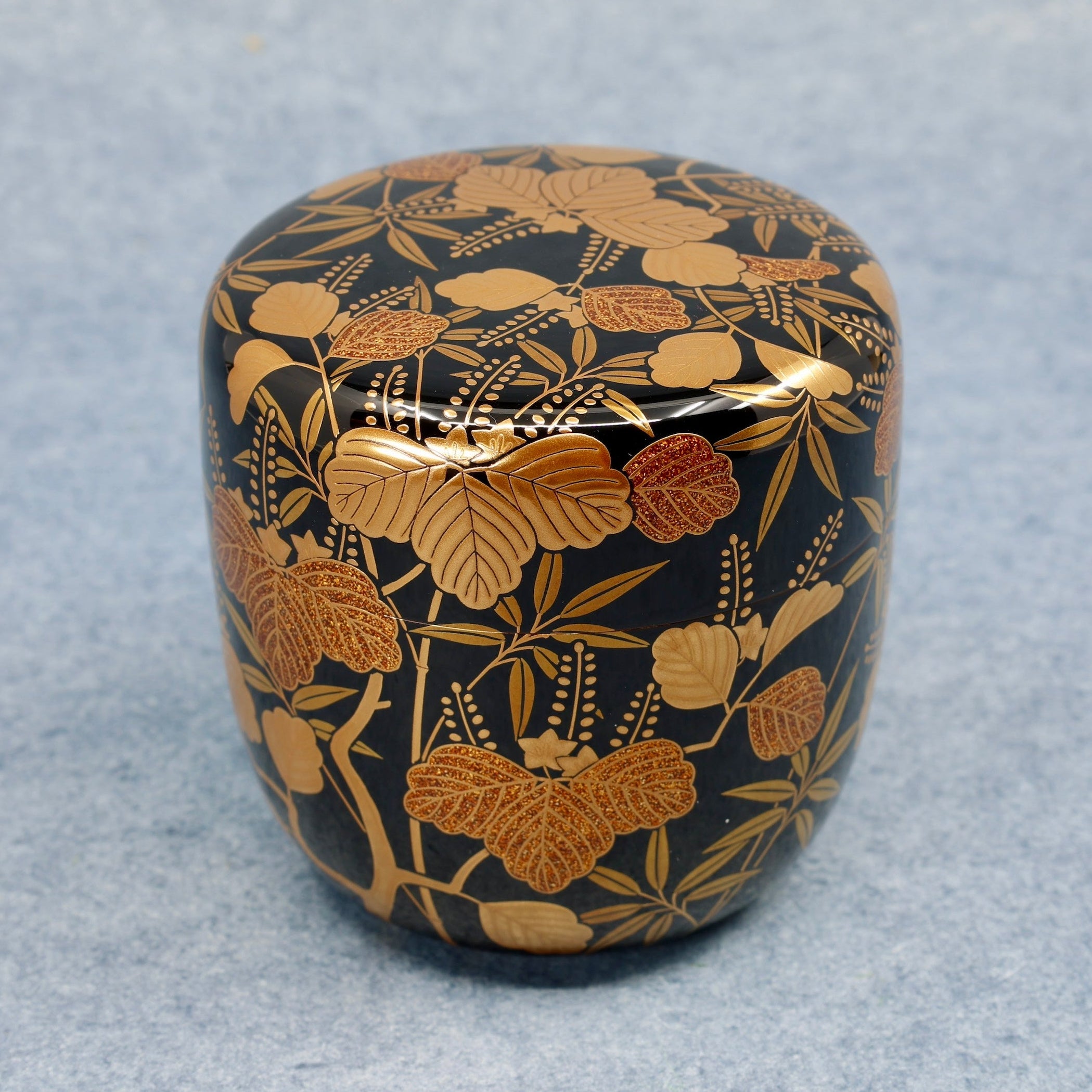
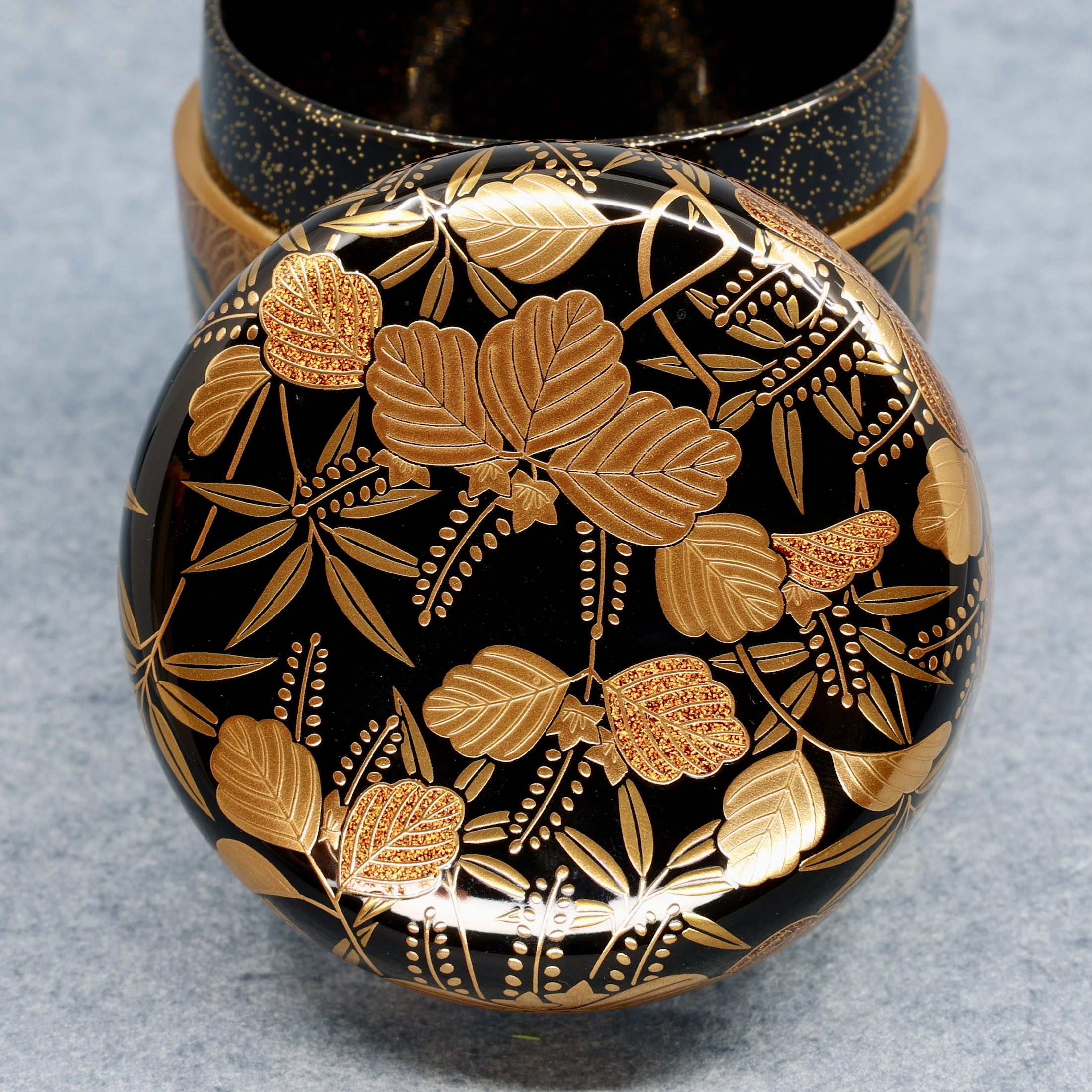
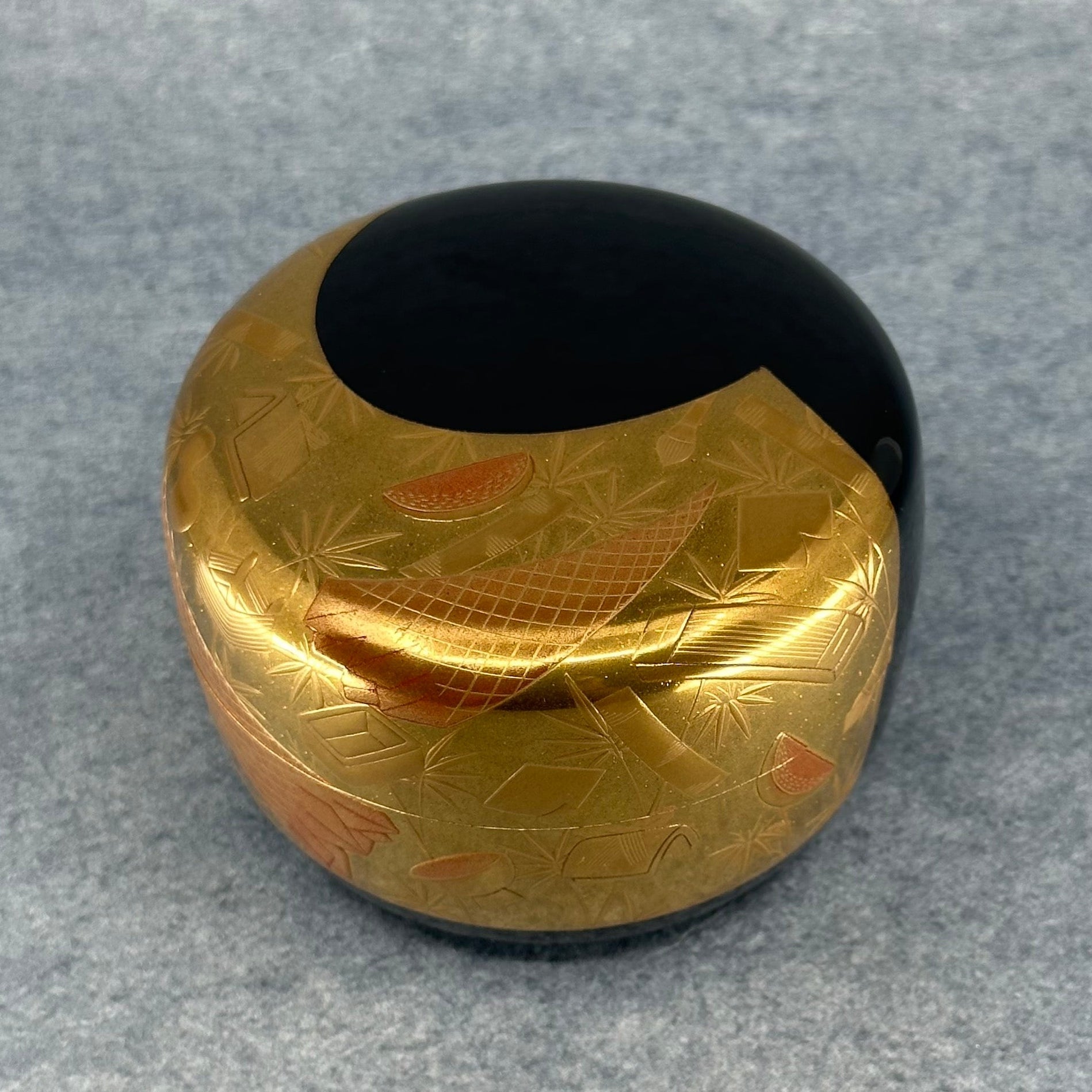
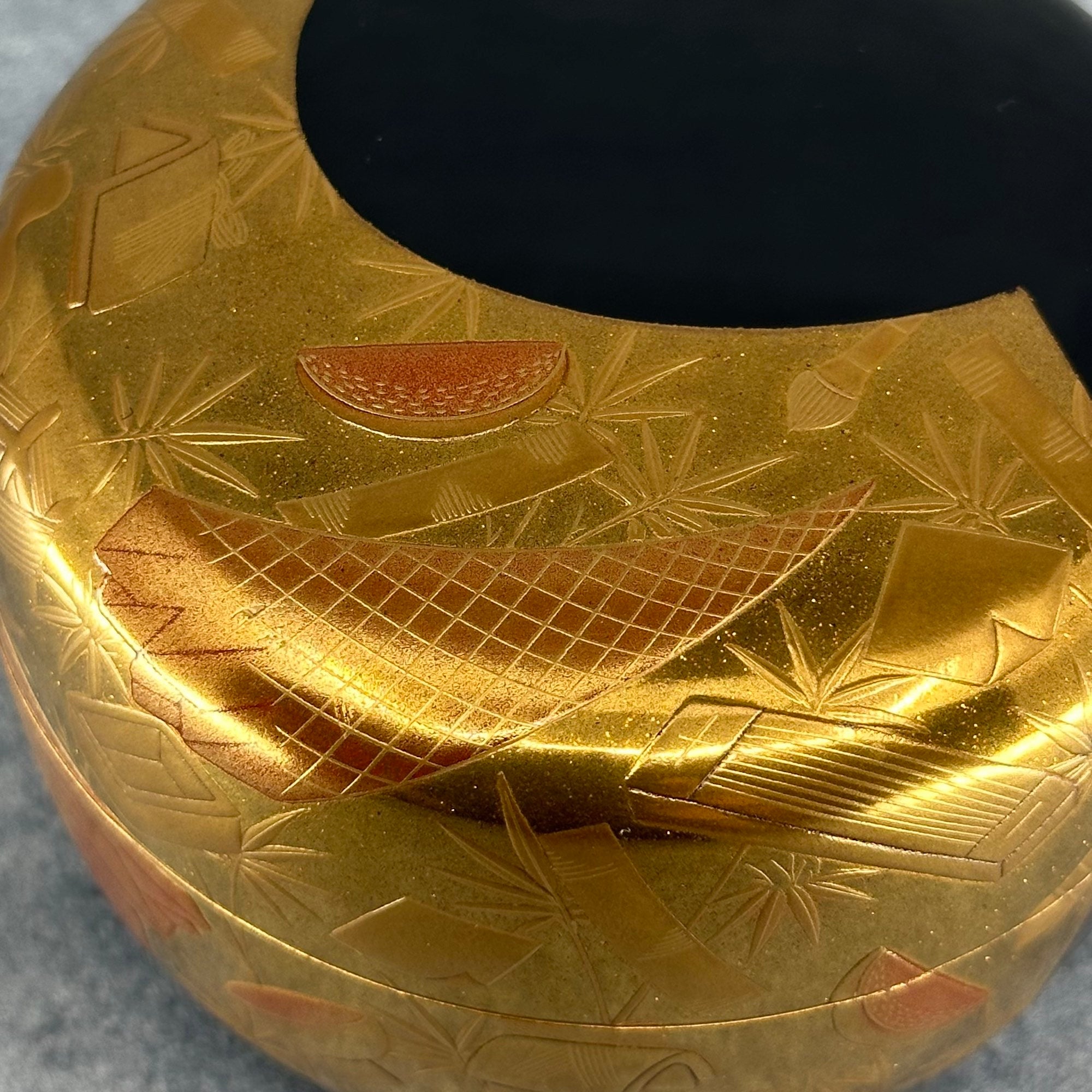
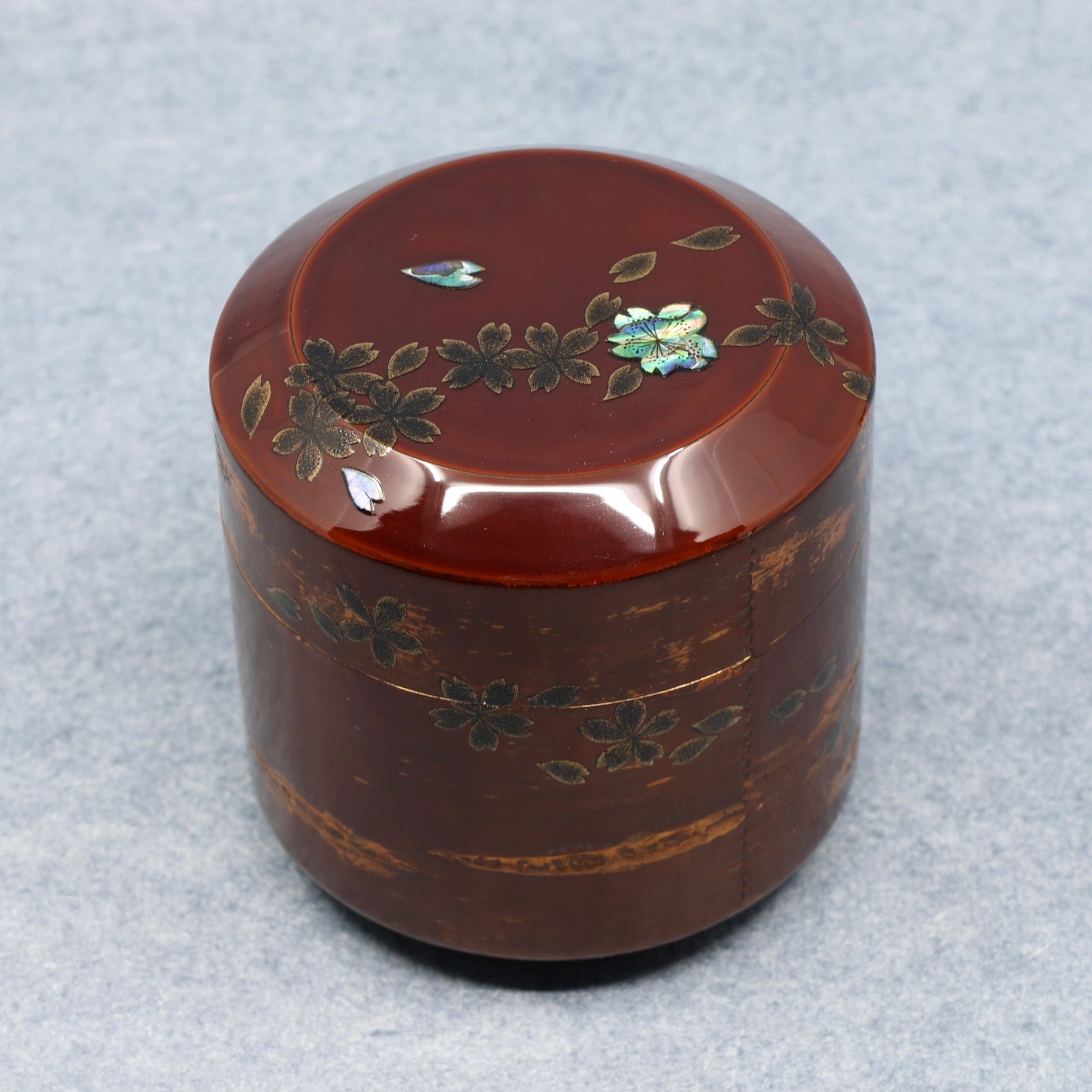
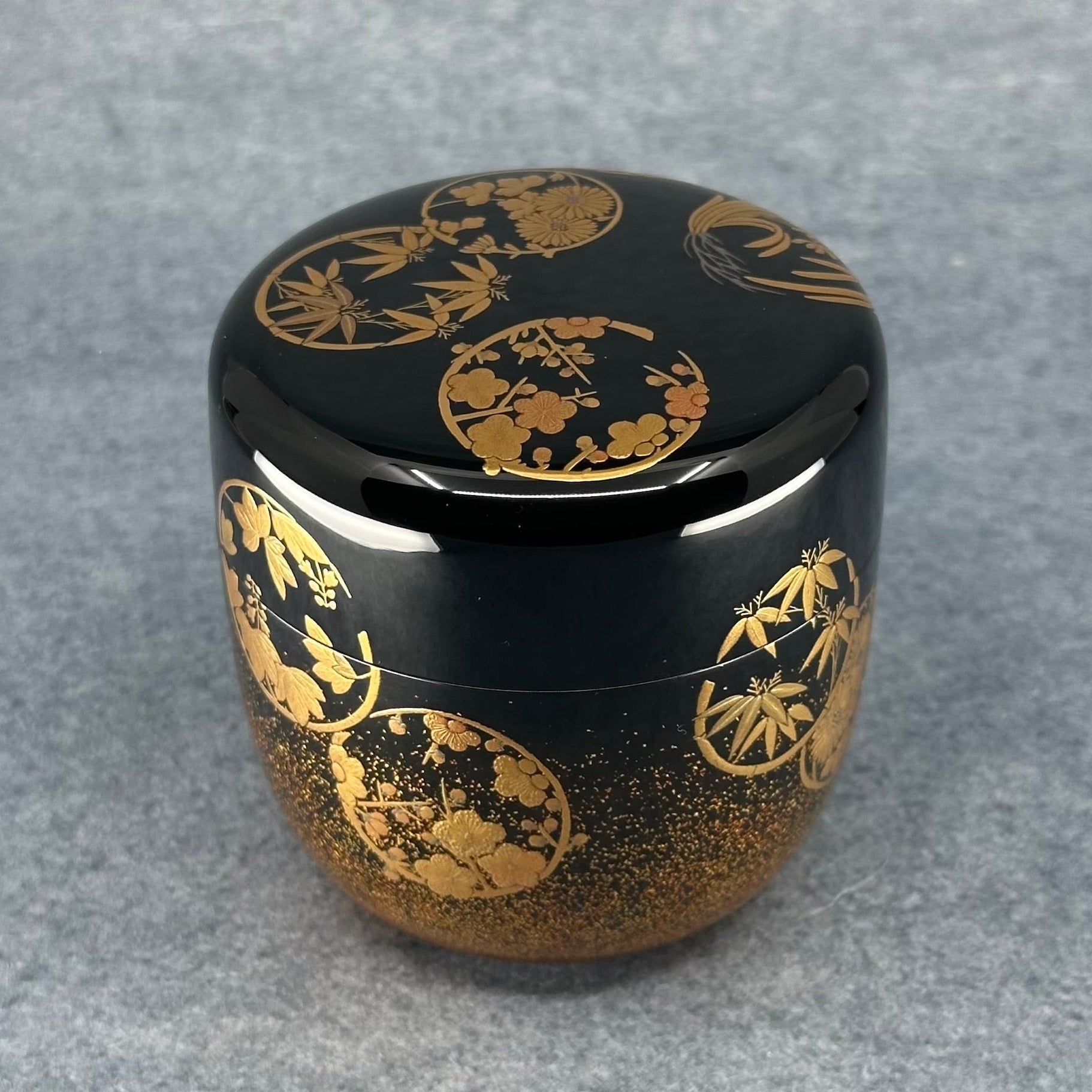
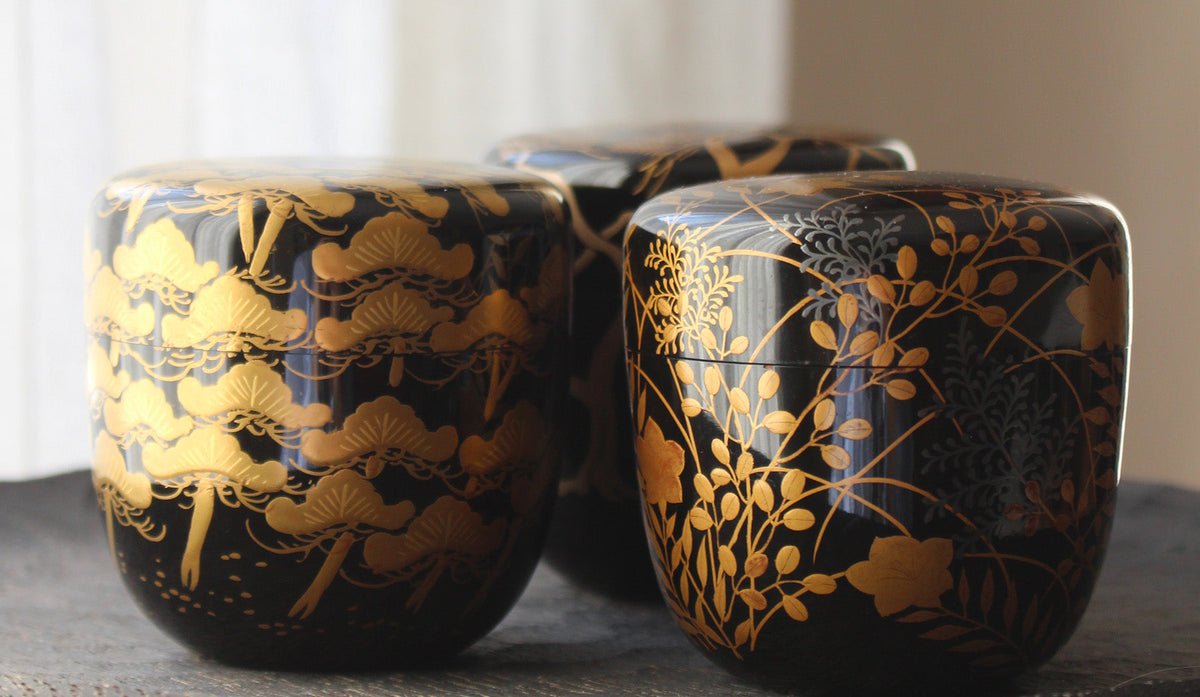
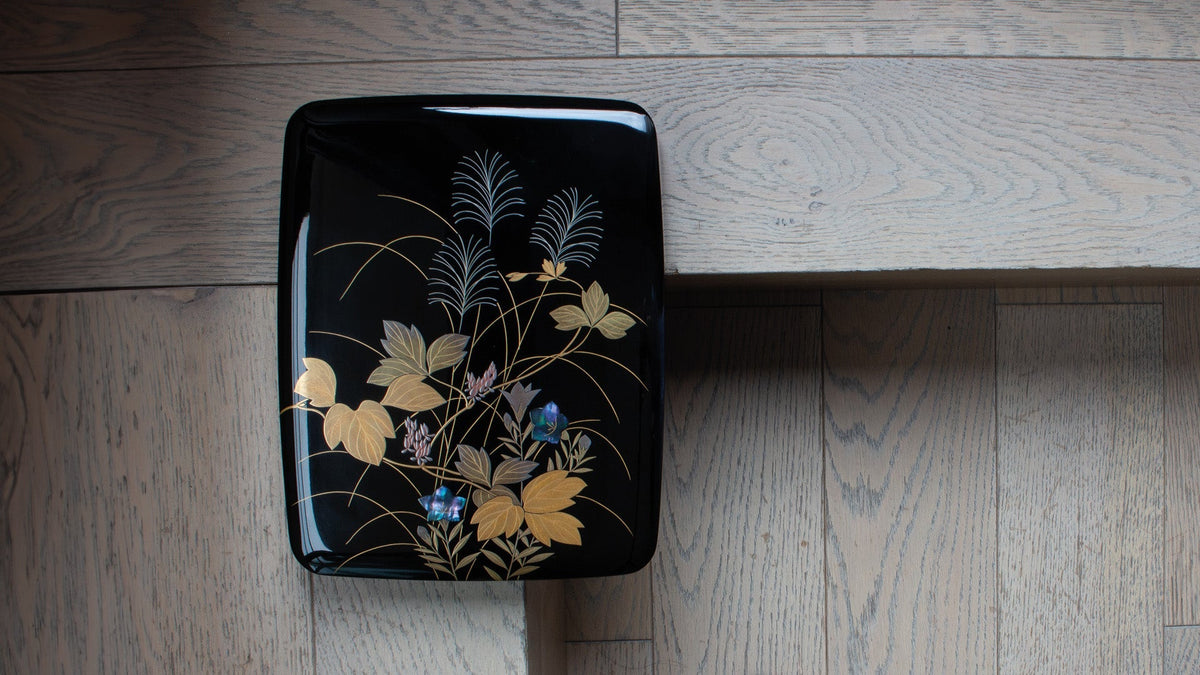
Japanese society is renowned for its meticulous attention to detail and its rituals, which explains the diversity and beauty of precious Japanese boxes. Among these treasures, urushi lacquer boxes stand out for their refinement and exceptional craftsmanship, often adorned with maki-e gold powder decorations.
The Importance of Boxes in Japanese Culture
Urushi lacquer boxes are not just decorative objects; they play a crucial role in daily life in Japan. Observing traditional Japanese homes, one notices that the meticulous organization and storage of objects in boxes contribute to creating visual and functional harmony. Handcrafted Japanese boxes help preserve the beauty of objects while maintaining a clean and orderly space.
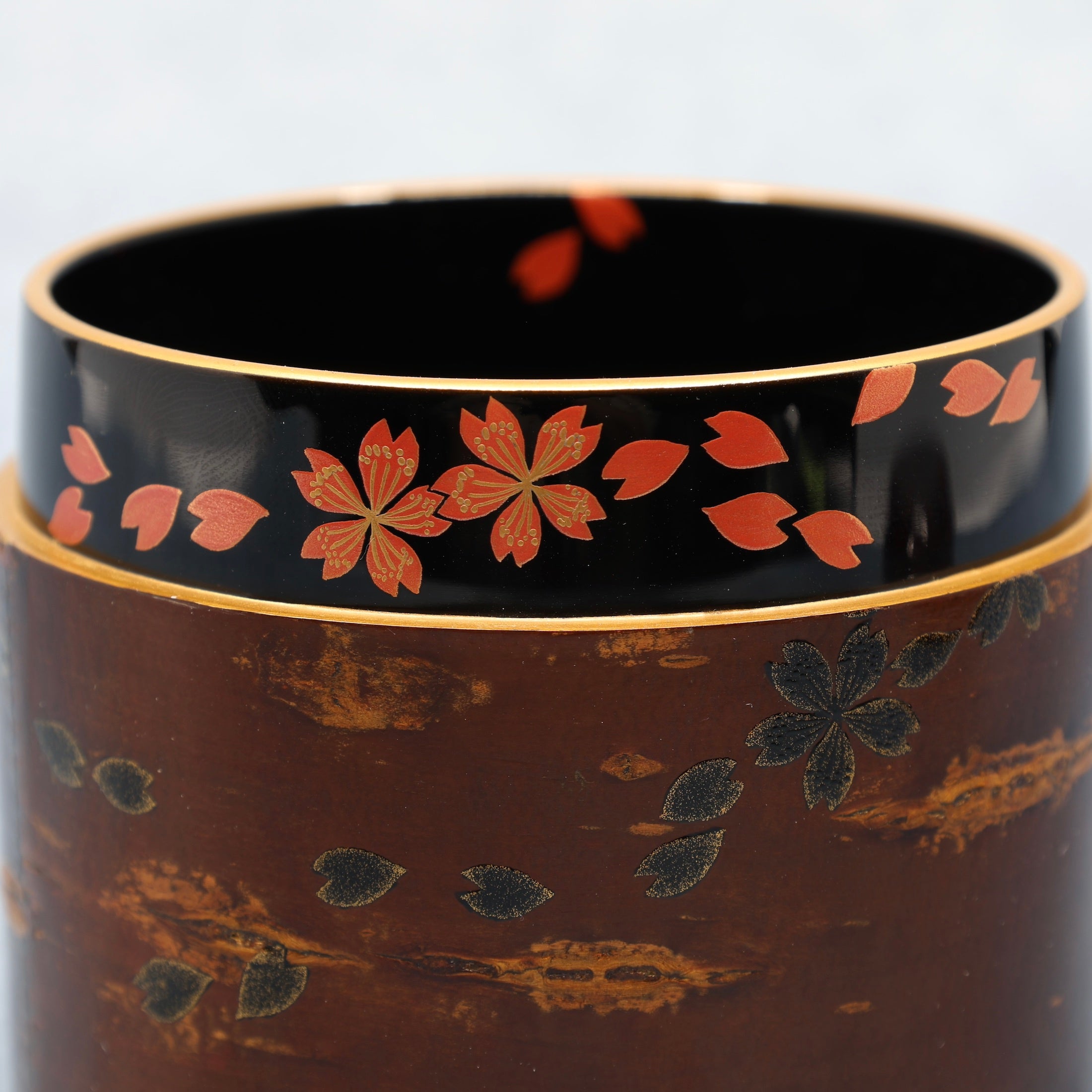
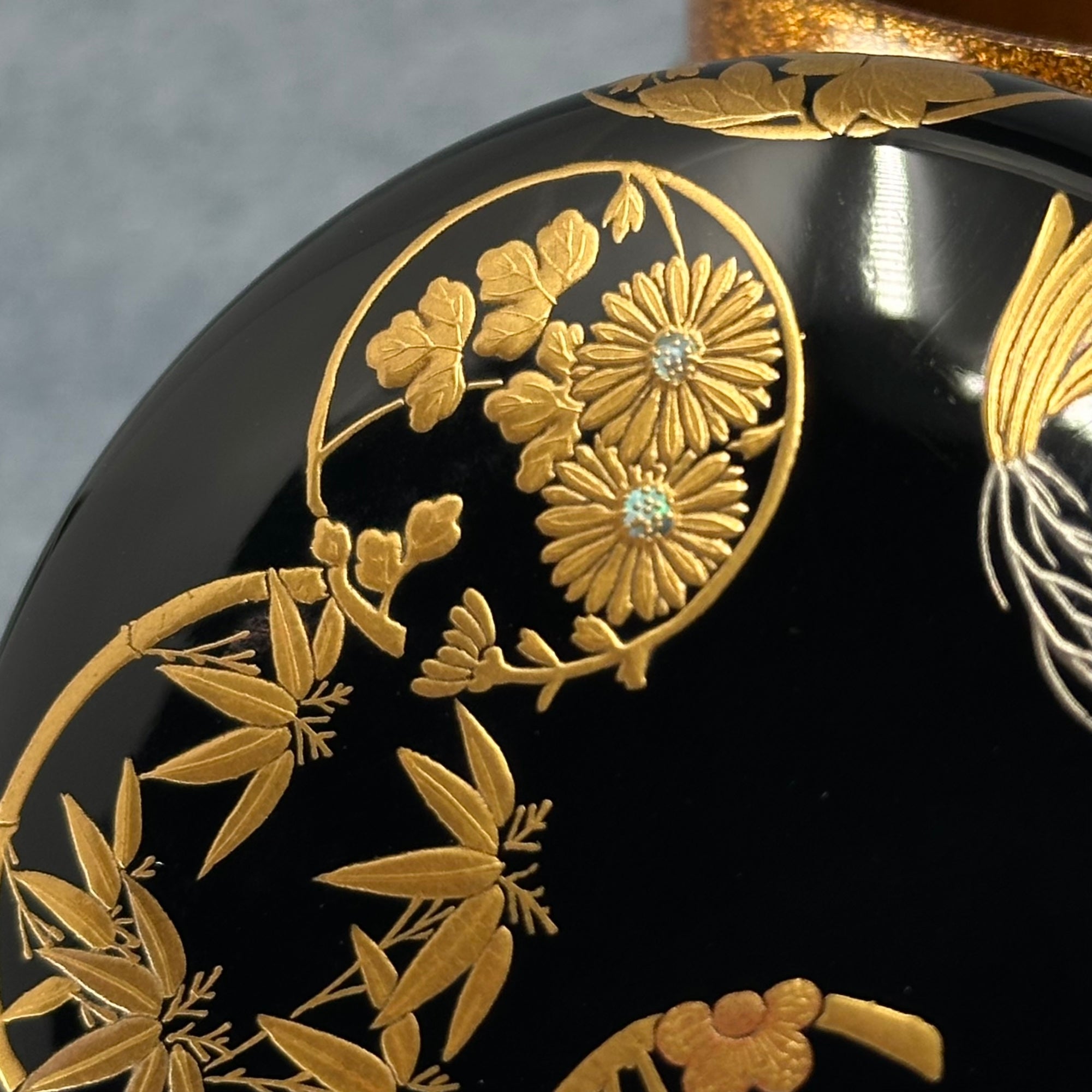
These boxes are ideal for protecting valuable items, such as kimonos or ceremonial accessories, while adding a touch of elegance to any interior. Each precious urushi lacquer box is the result of exceptional craftsmanship, featuring refined decorations like maki-e, a traditional gilding technique that gives each piece unique value.
The History of Japanese Lacquer Boxes
Japanese lacquer boxes have a rich history spanning several centuries. The art of lacquer, or urushi, has been practiced in Japan since the Jomon period (around 10,000 BCE), but it was during the Heian period (794-1185) that Japanese lacquer reached remarkable sophistication. During this time, artisans perfected maki-e techniques, using gold and silver powders to create intricate and elegant designs on lacquer surfaces.
Over the centuries, urushi lacquer boxes became luxury items, symbolizing Japanese refinement and culture. They were often used by the imperial court and samurai to store valuable items, important documents, and personal accessories. Even today, handcrafted Japanese boxes continue to reflect the excellence of traditional craftsmanship, combining ancestral techniques with modern and functional design.
Prosaic Reality and Ubiquitous Presence of Boxes
This idyllic vision of a perfectly ordered Japan is not always representative of reality. Indeed, some homes, especially in rural areas, can be quite chaotic. However, even in these contexts, Japanese boxes remain omnipresent, testament to their utility and importance in Japanese culture.
Types of Japanese Boxes (Bako) and Their Craftsmanship
Natsume
- Natsume (棗): Urushi lacquer tea caddies, often decorated with gold powder designs, used to present matcha during the tea ceremony.
Jubako
- Jubako (重箱): Multi-tiered stackable lacquer boxes for festive meals, often decorated with maki-e or marquetry.
Suzuribako
- Suzuribako (硯箱): Boxes for writing tools, including brushes, ink stones, and other accessories.
Kōgō and Kōbako
- Kōgō (香合) and Kōbako (小箱): Incense boxes, essential during the tea ceremony for presenting incense.
Tomobako
- Tomobako (共箱): Lacquered wooden boxes to protect artisanal objects, often signed by the artisan to ensure authenticity.
Fubako and Tanzaku-bako
- Fubako (文箱) and Tanzaku-bako (短冊箱): Boxes for storing paper, letters, or poems, often made of urushi lacquer.
Other Precious Boxes to Discover
- Tebako (手箱): Boxes for personal effects.
- Hokkai-bako (北海箱): Picnic boxes or for the shell-matching game.
- Chabako (茶箱): Boxes for tea utensils, often made of braided bamboo.
- Bento (弁当): Boxes for carrying food, often decorated with elegant motifs.
- Inro (印籠): Small belt boxes for medicines.
- Senryo-bako (銭箱): Boxes for coins.
- Kashi-ki (菓子器): Boxes for confections.
- Himitsu-bako (秘密箱): Secret boxes with hidden mechanisms.
- Karabitsu (唐櫃): Large lacquered boxes for precious objects.
- Hanko-bako (判子箱): Boxes for personal seals.
- Kimono-bako (着物箱): Boxes for storing kimonos.
- Ningyo-bako (人形箱): Boxes for dolls.
- Orin-bako (音鈴箱): Boxes for temple bells.
- Tansubako (短冊箱): Boxes for precious personal objects.
- Kiseru-bako (煙管箱): Boxes for Japanese pipes.
- Tobako-ire (煙草入れ): Boxes for tobacco.
- Nagare-bako (流れ箱): Boxes for documents or precious items when traveling.
These boxes can be made of simple wood (paulownia, cedar, cypress…), lacquered wood, bamboo, lacquered washi paper, iron, copper, brass, ceramic; without decoration or adorned with fabulous gold powder decorations, inlaid with mother-of-pearl, or wood marquetry.
If you want to discover very beautiful Japanese lacquer boxes (among others), we invite you to explore our online selection. Each box has been rigorously selected for its timeless beauty and the richness of the savoir-faire required for their creation.
© Atelier Ikiwa – Laurence Corteggiani. Photographs and texts protected. All reproduction prohibited without authorization.