
Natsume, the poetry of patterns in the tea ceremony
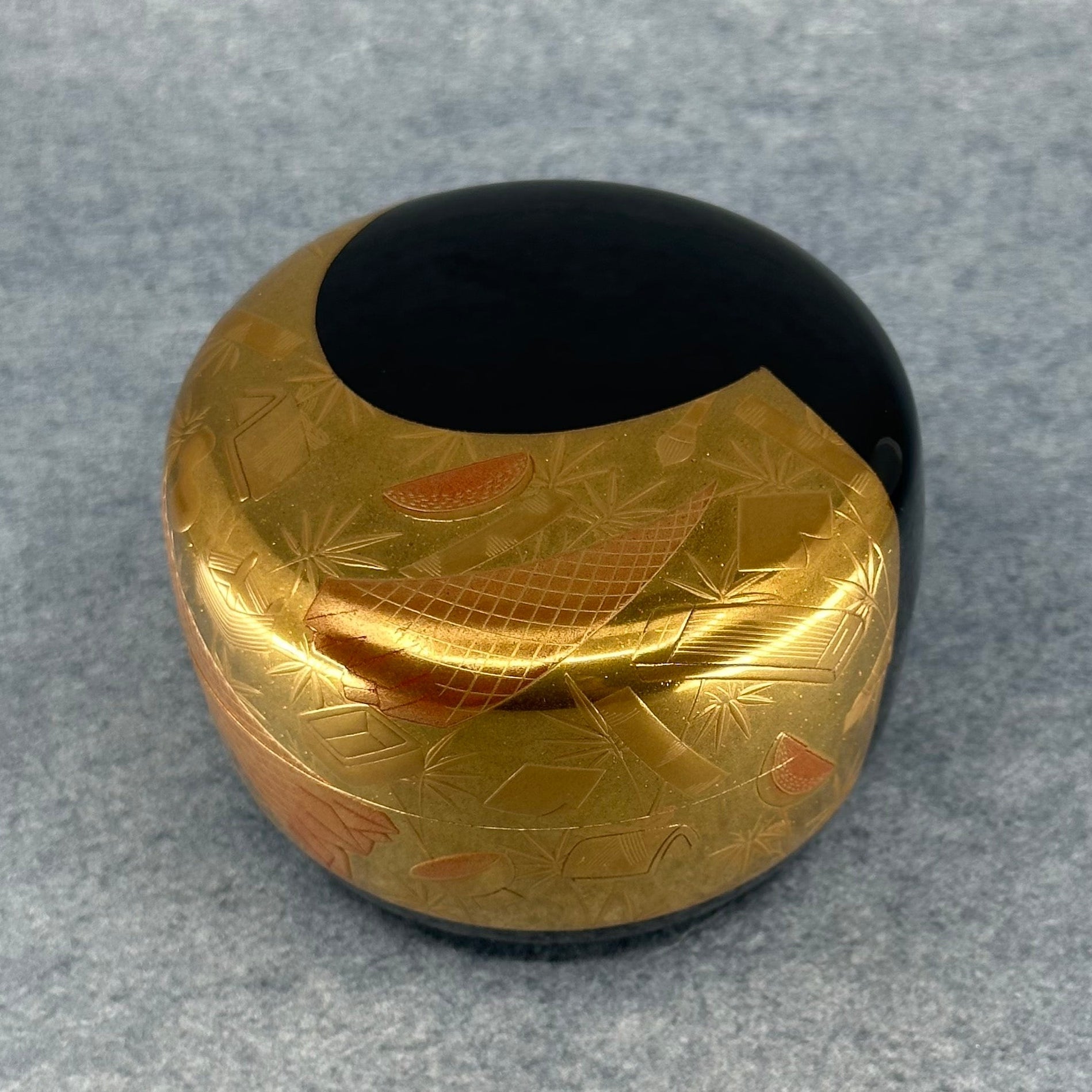
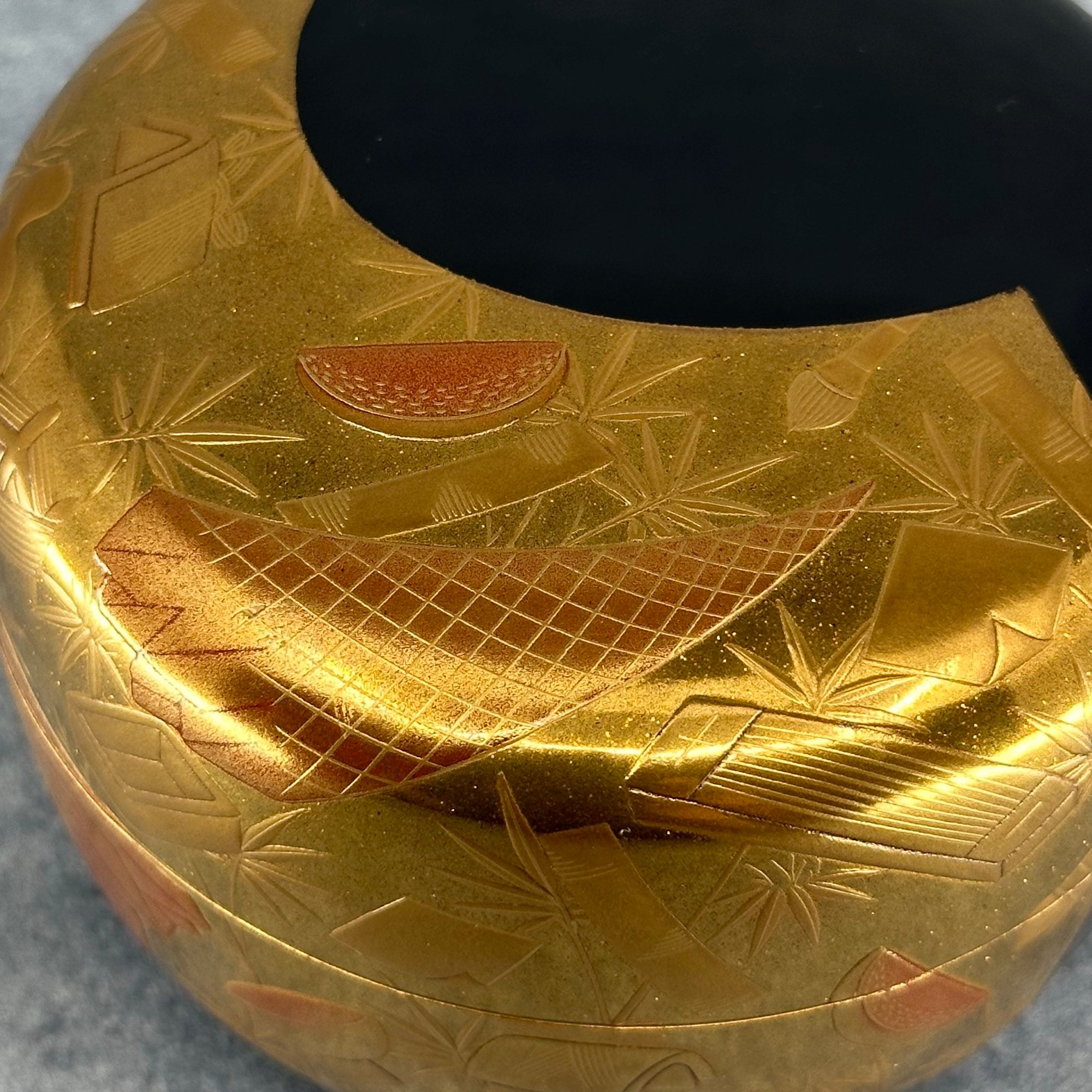
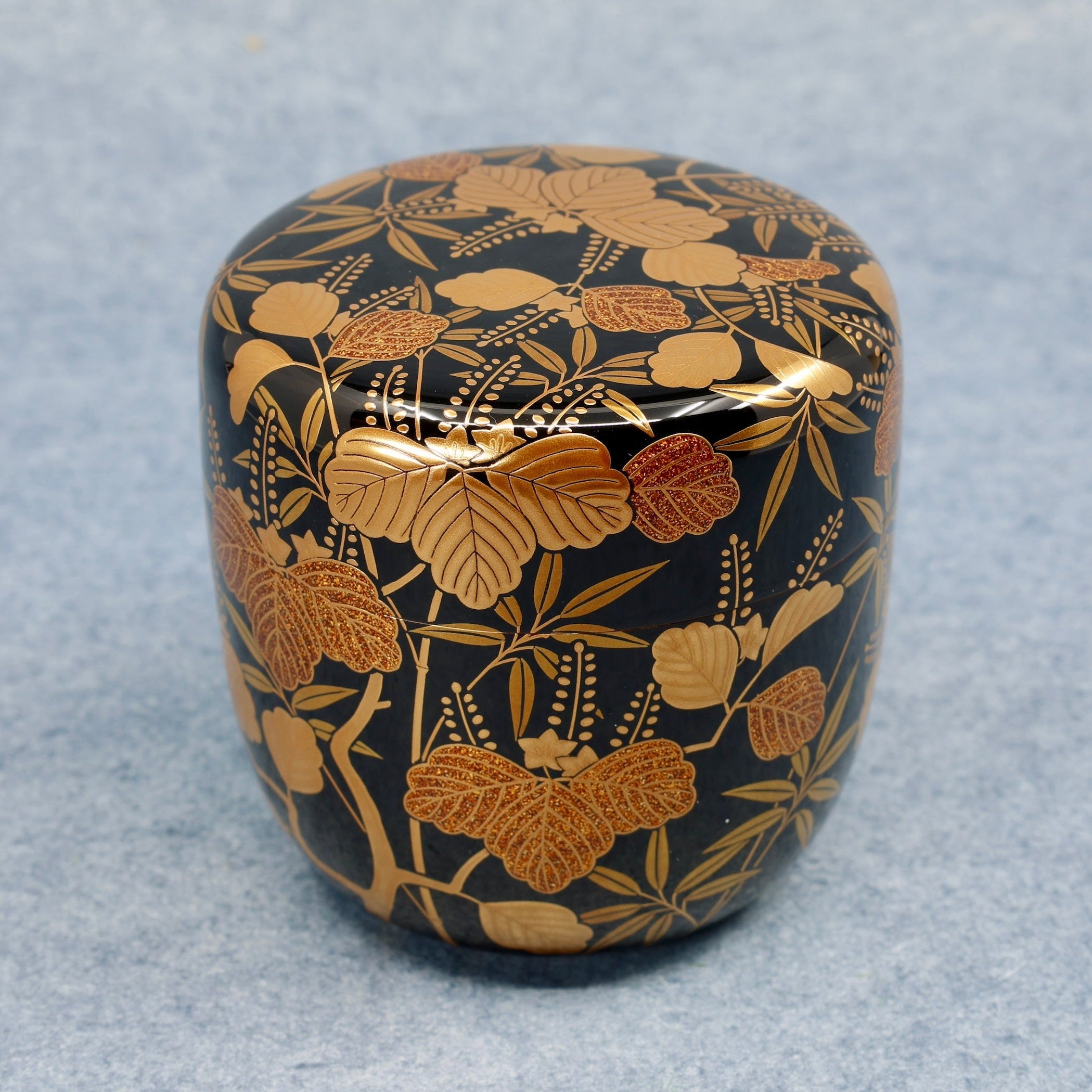
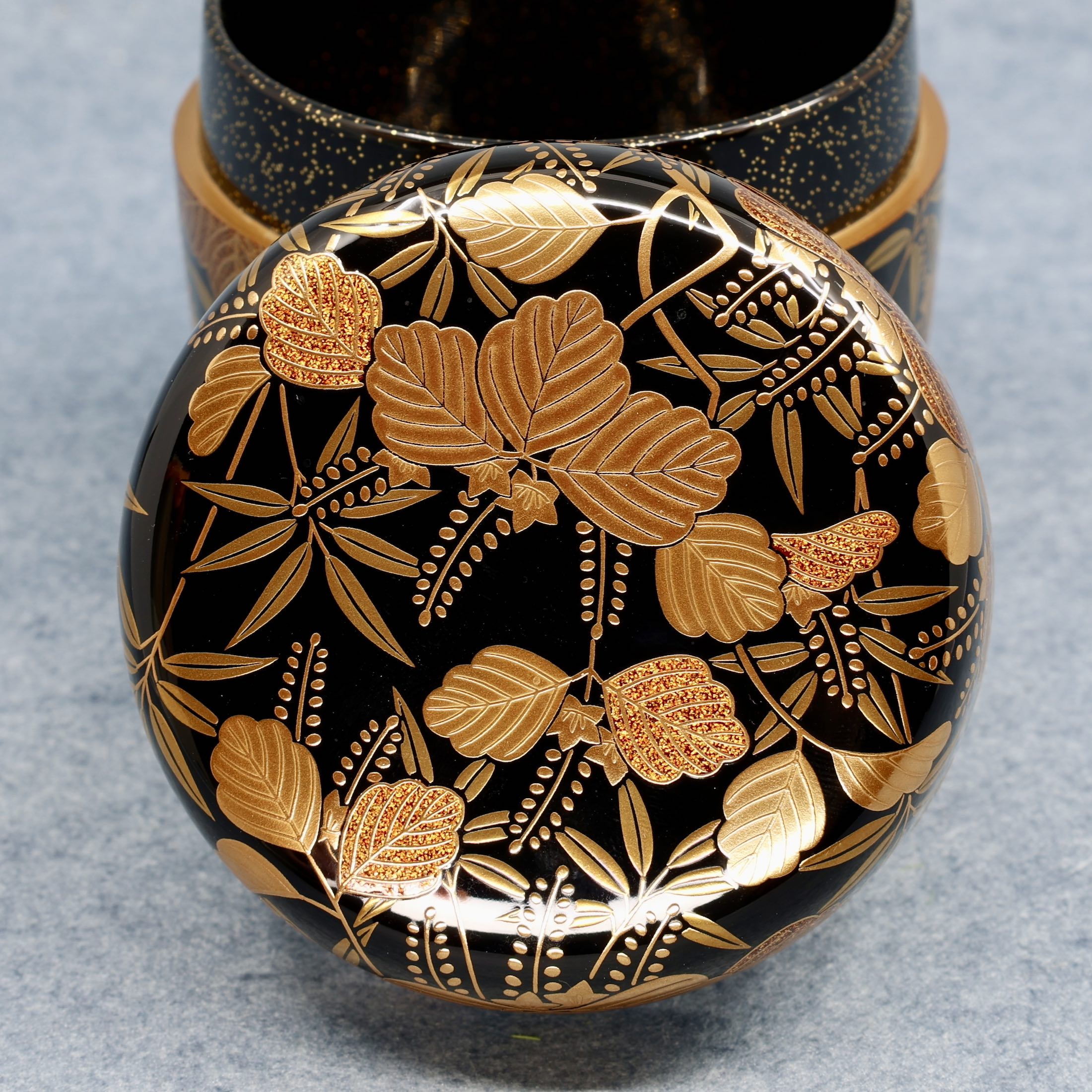
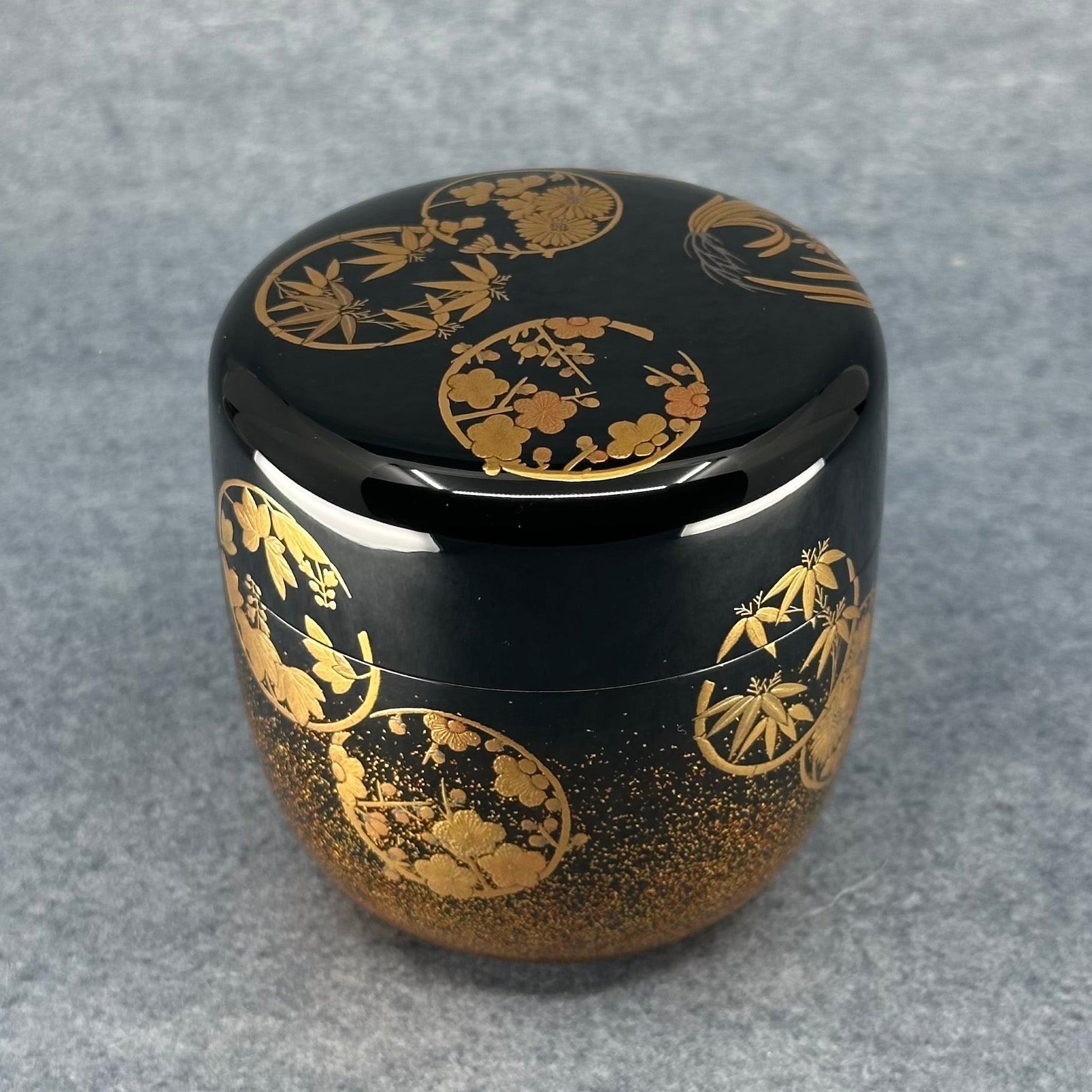
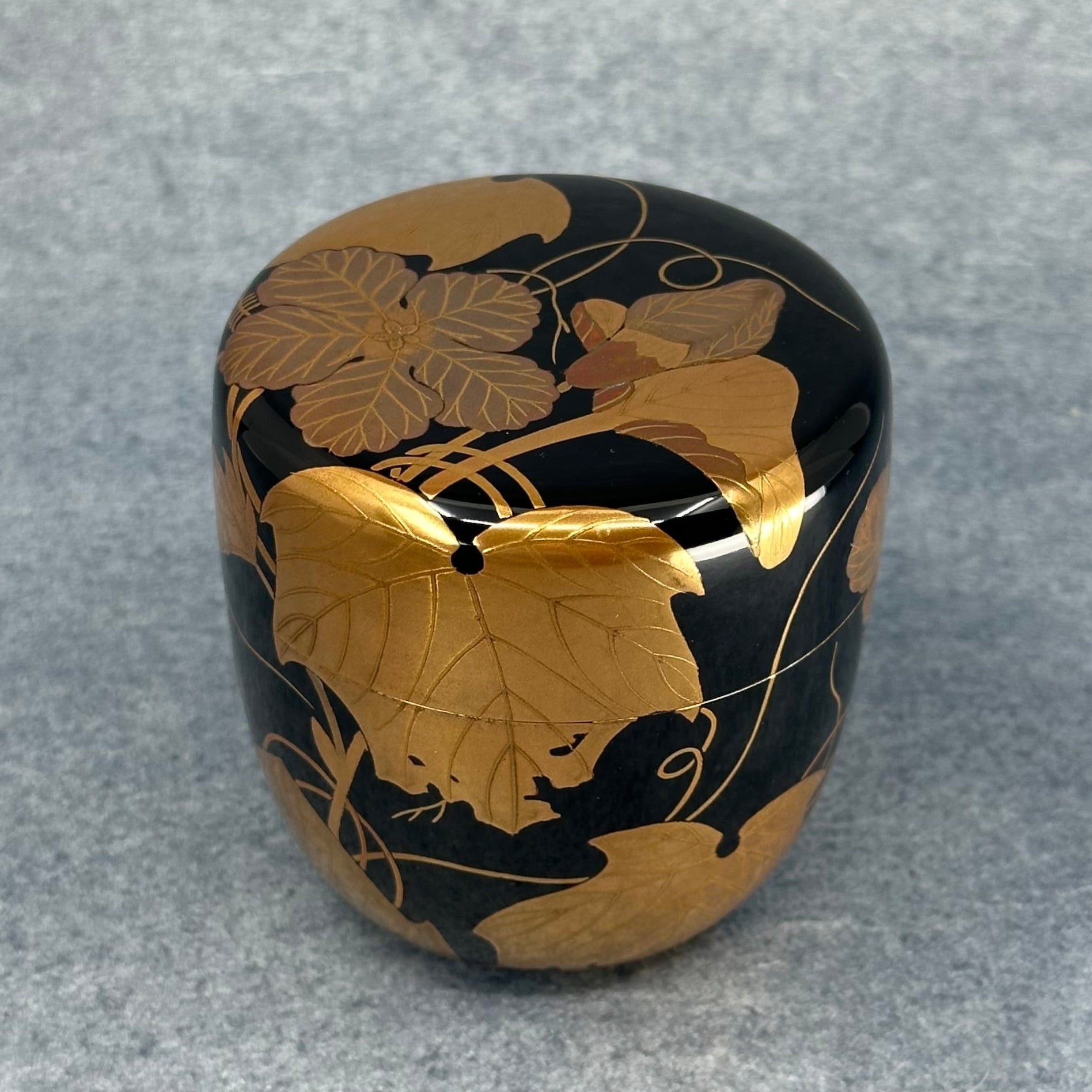
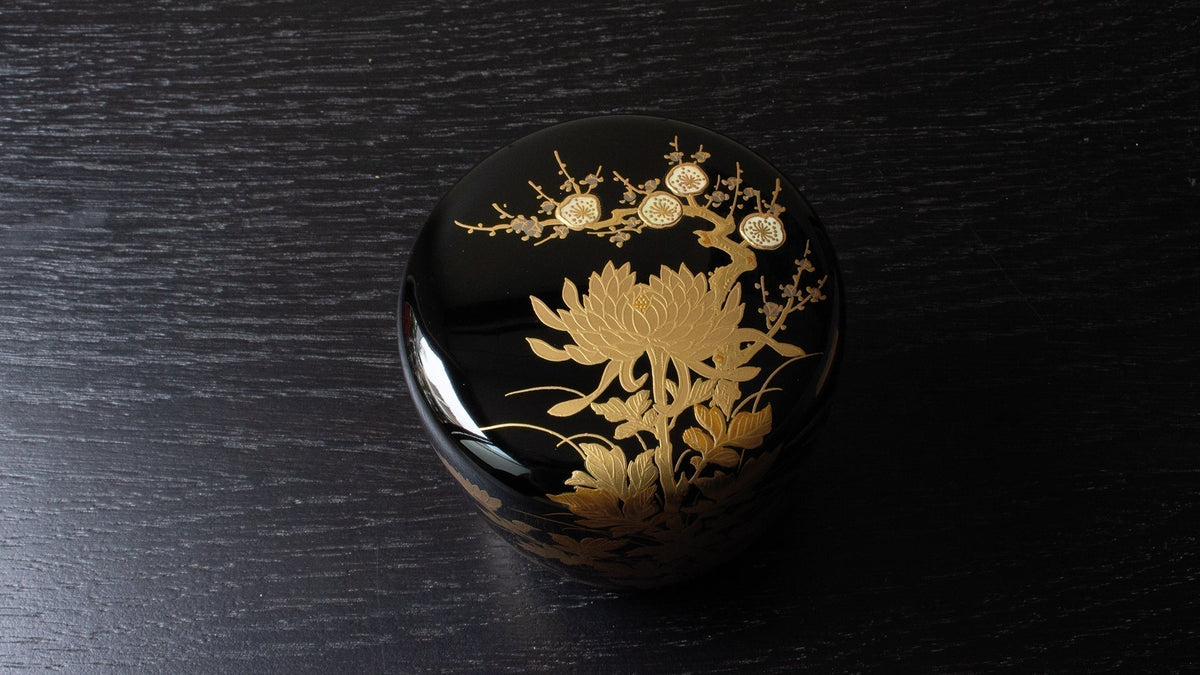
In the Japanese tradition of chanoyu (茶の湯, the tea ceremony), each object has a precise meaning and a carefully considered aesthetic. The natsume (棗), a small lacquered container for powdered matcha (抹茶), is one of the essential elements of this ceremony. More than just a simple vessel, it is a reflection of the season, the host's refinement, and the spirit of the moment shared with guests.
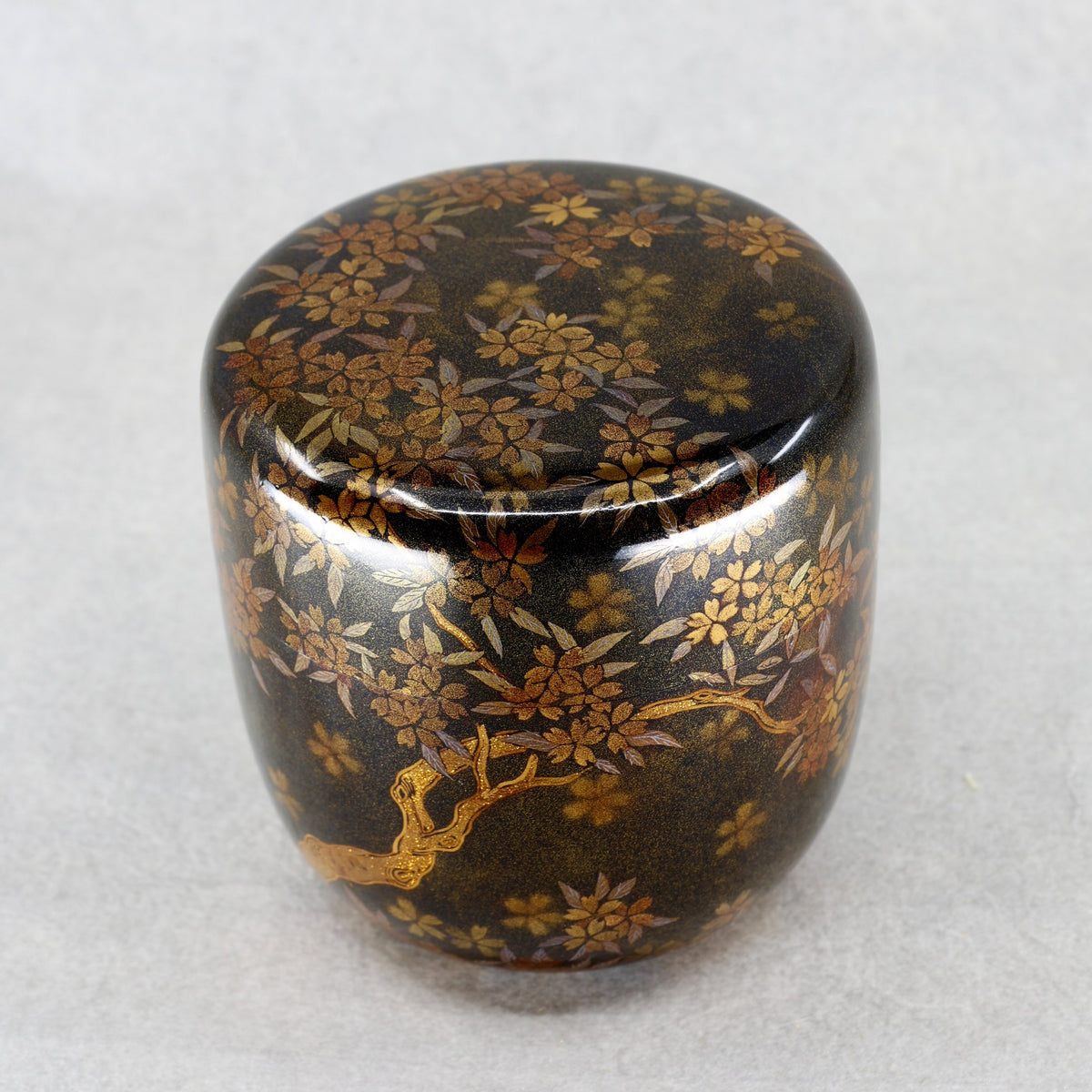
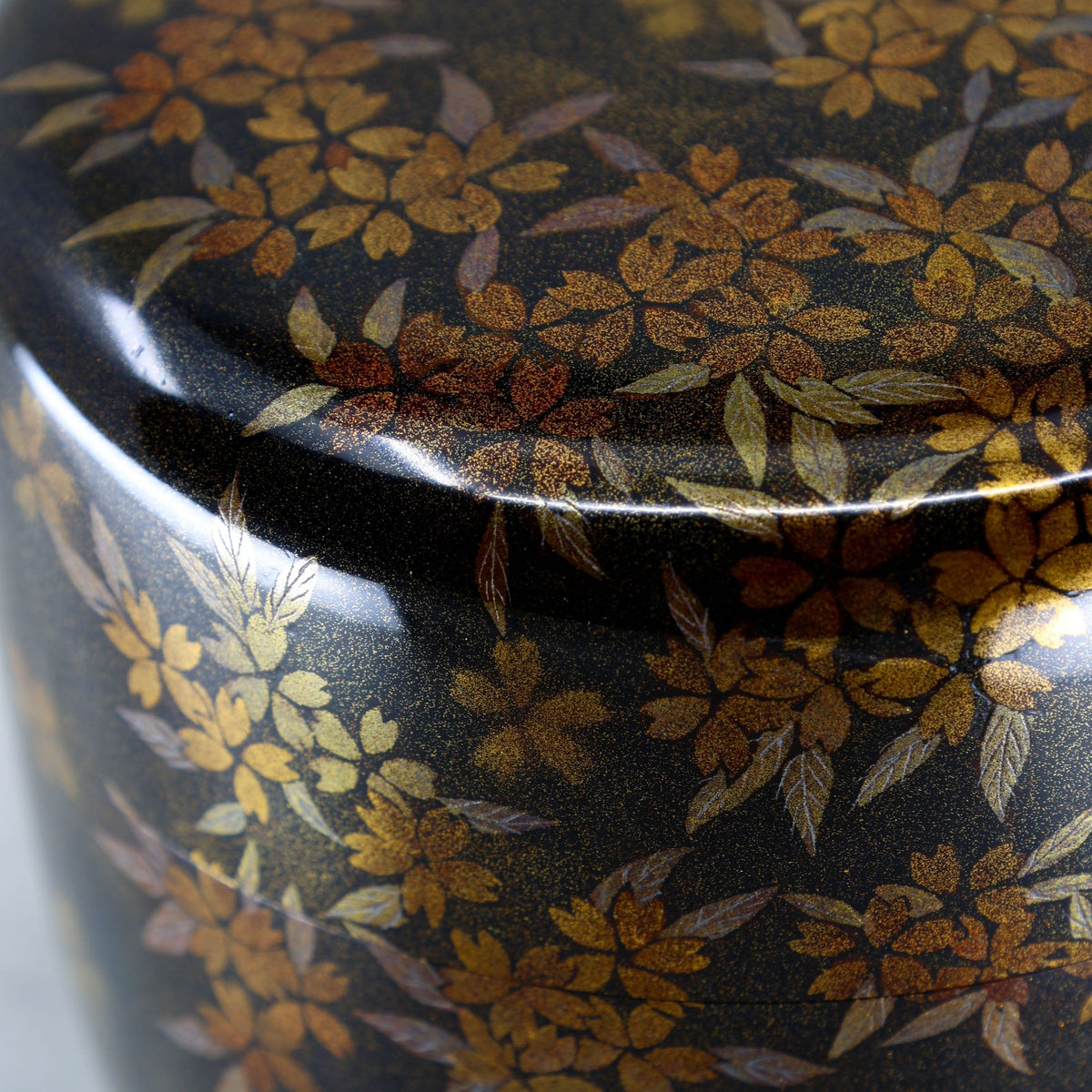
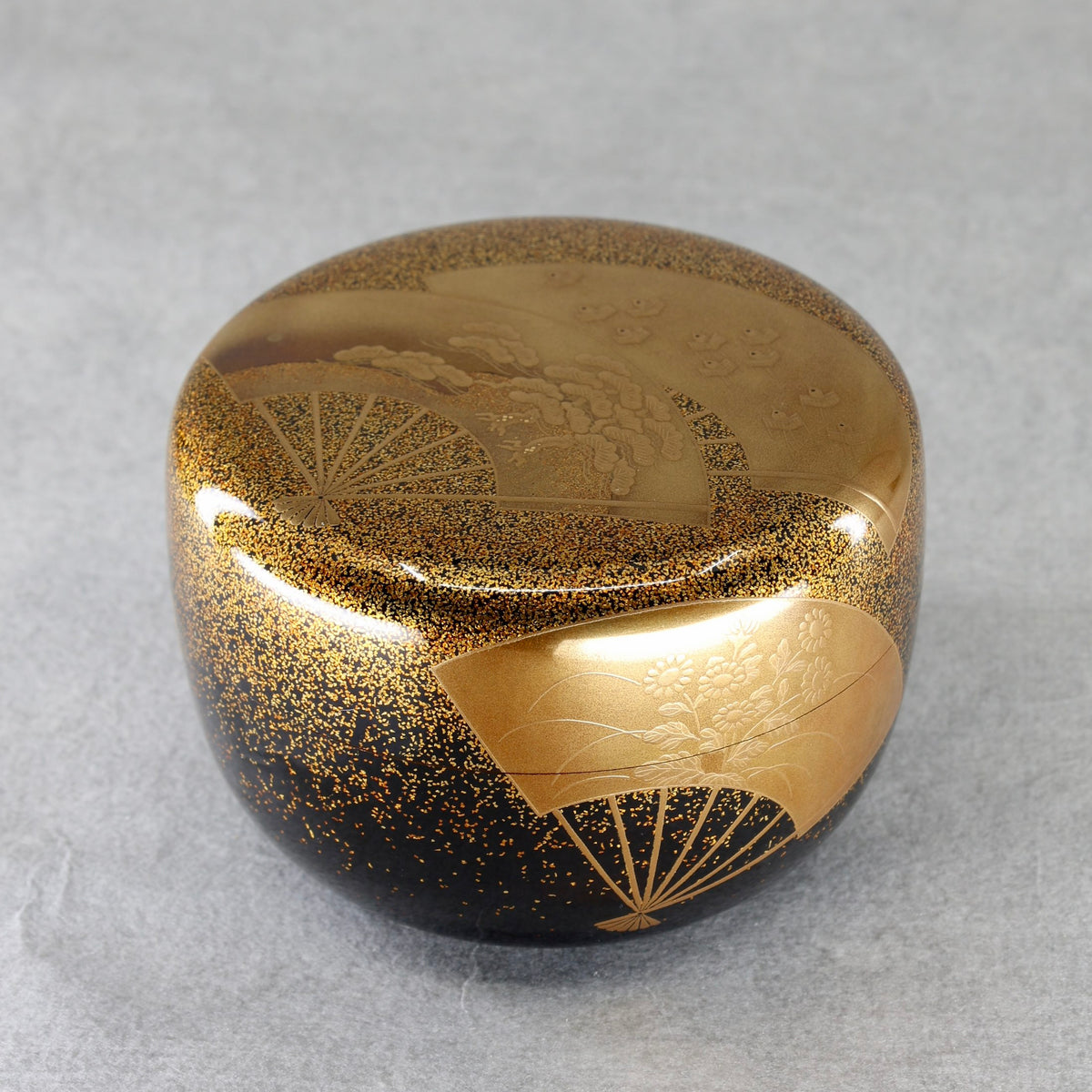
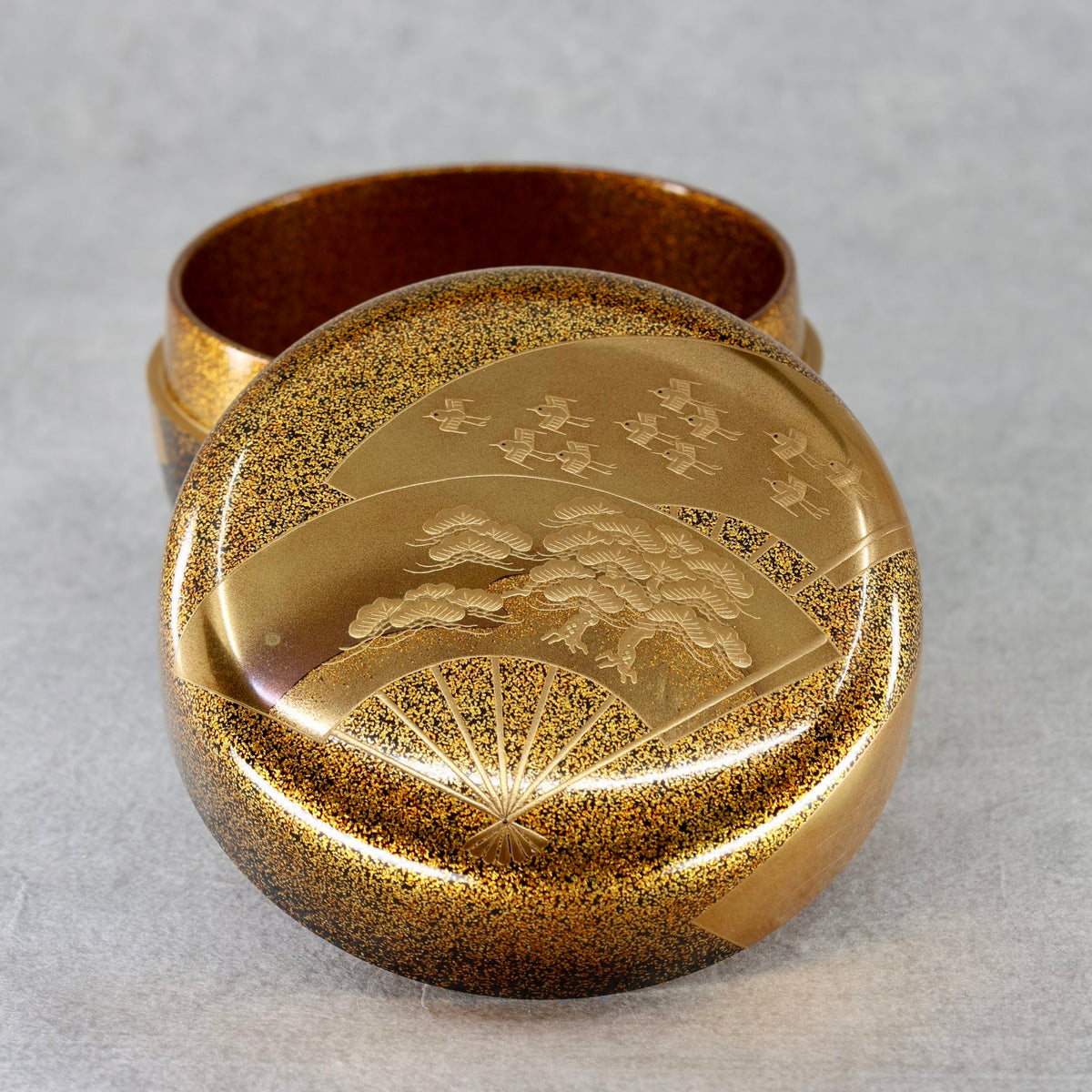
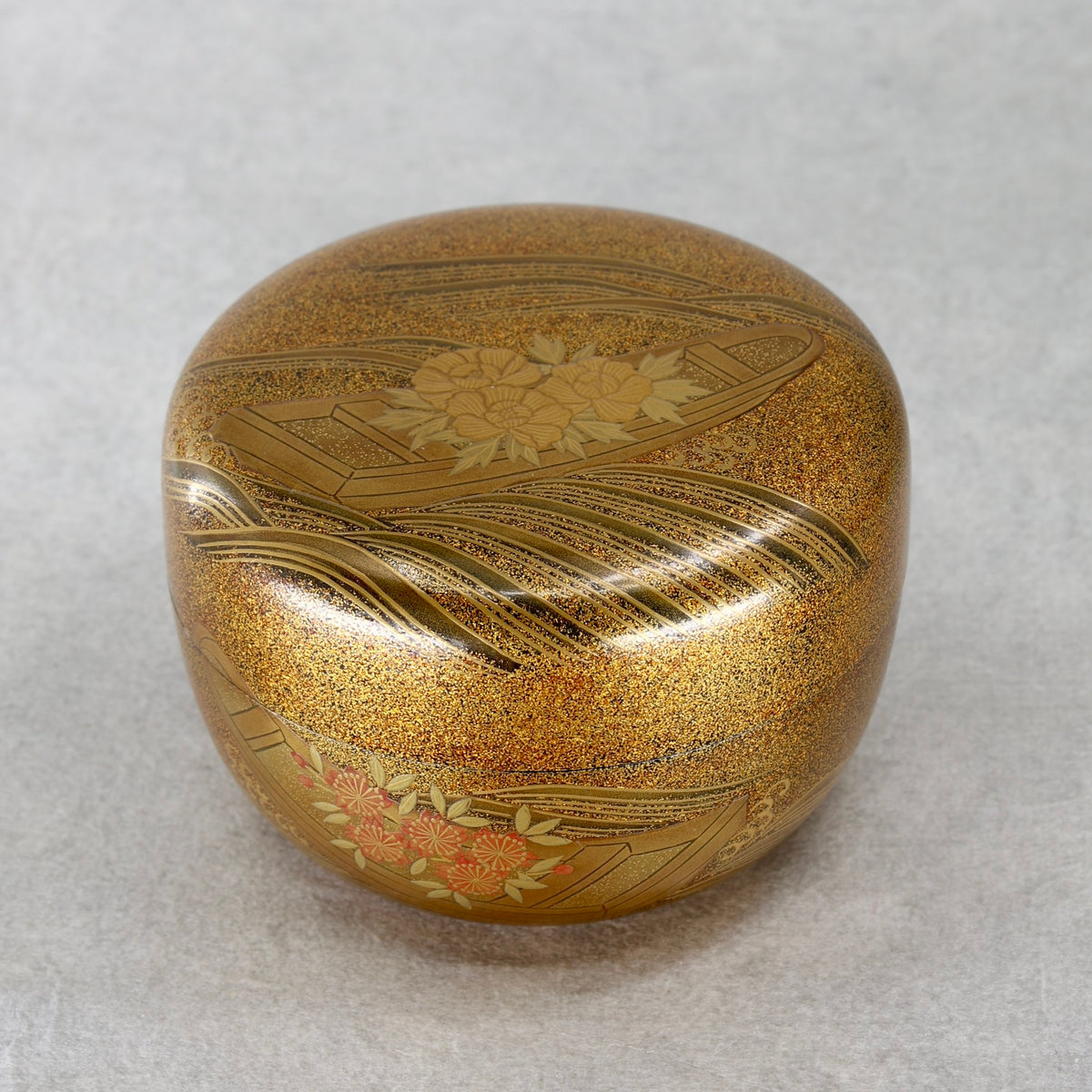
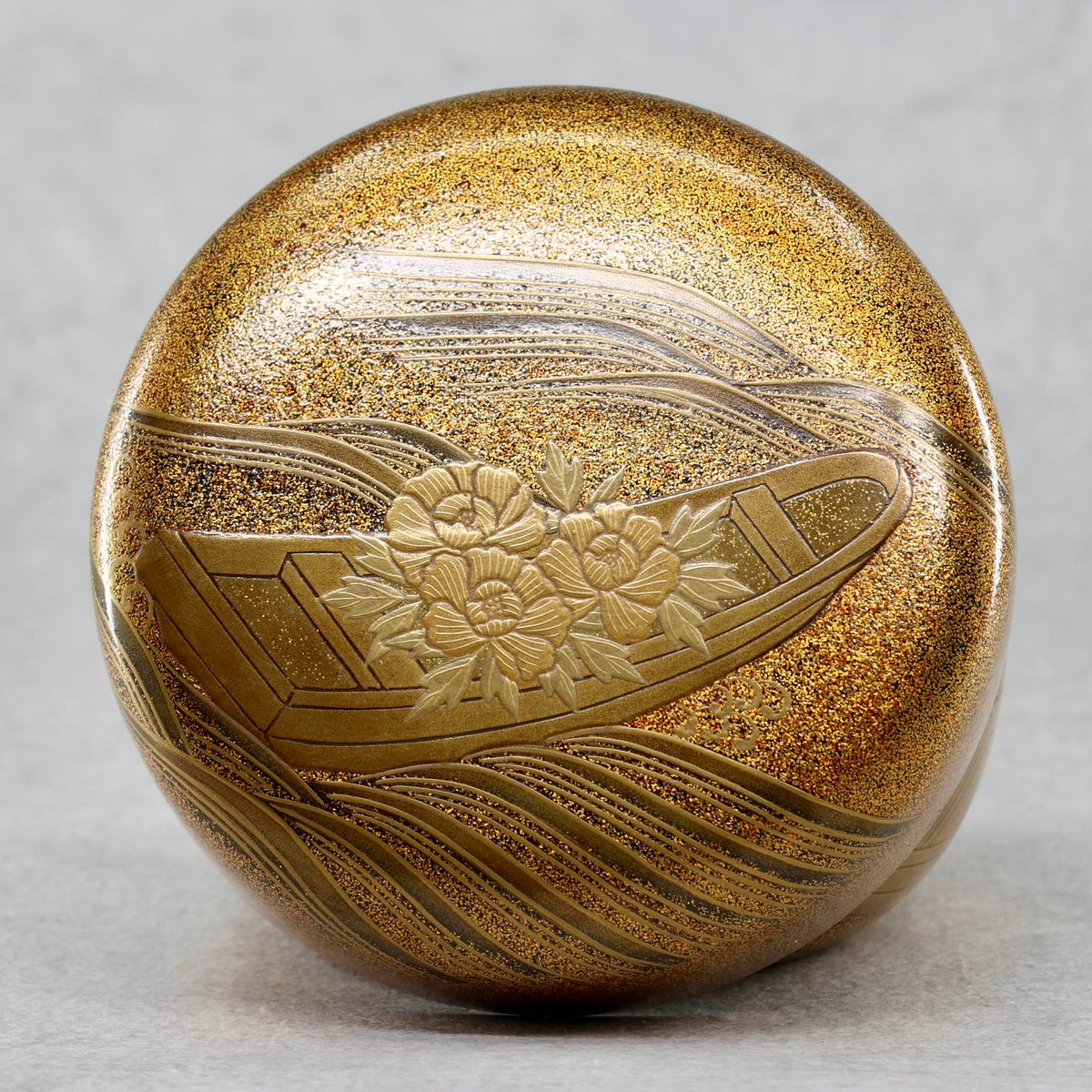
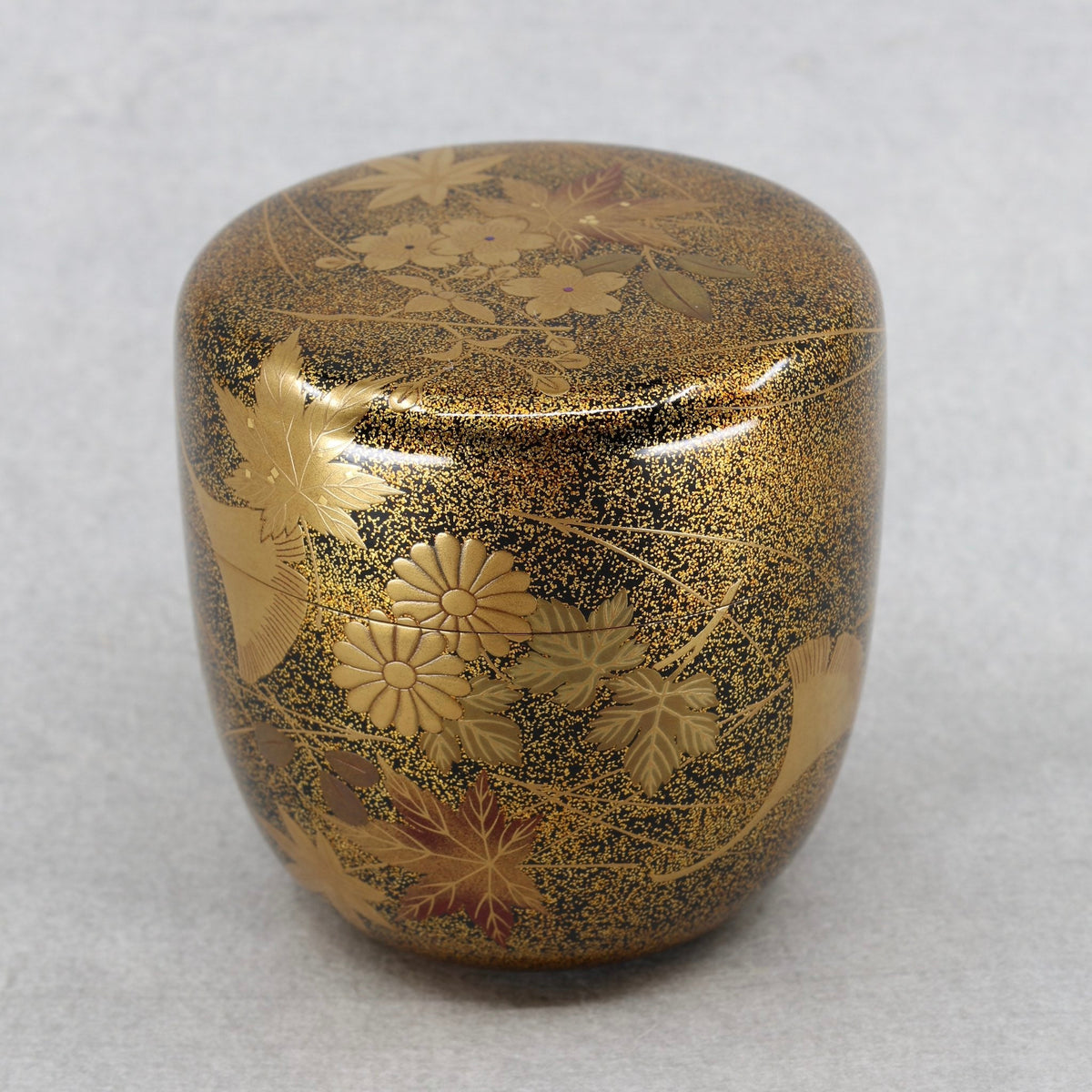
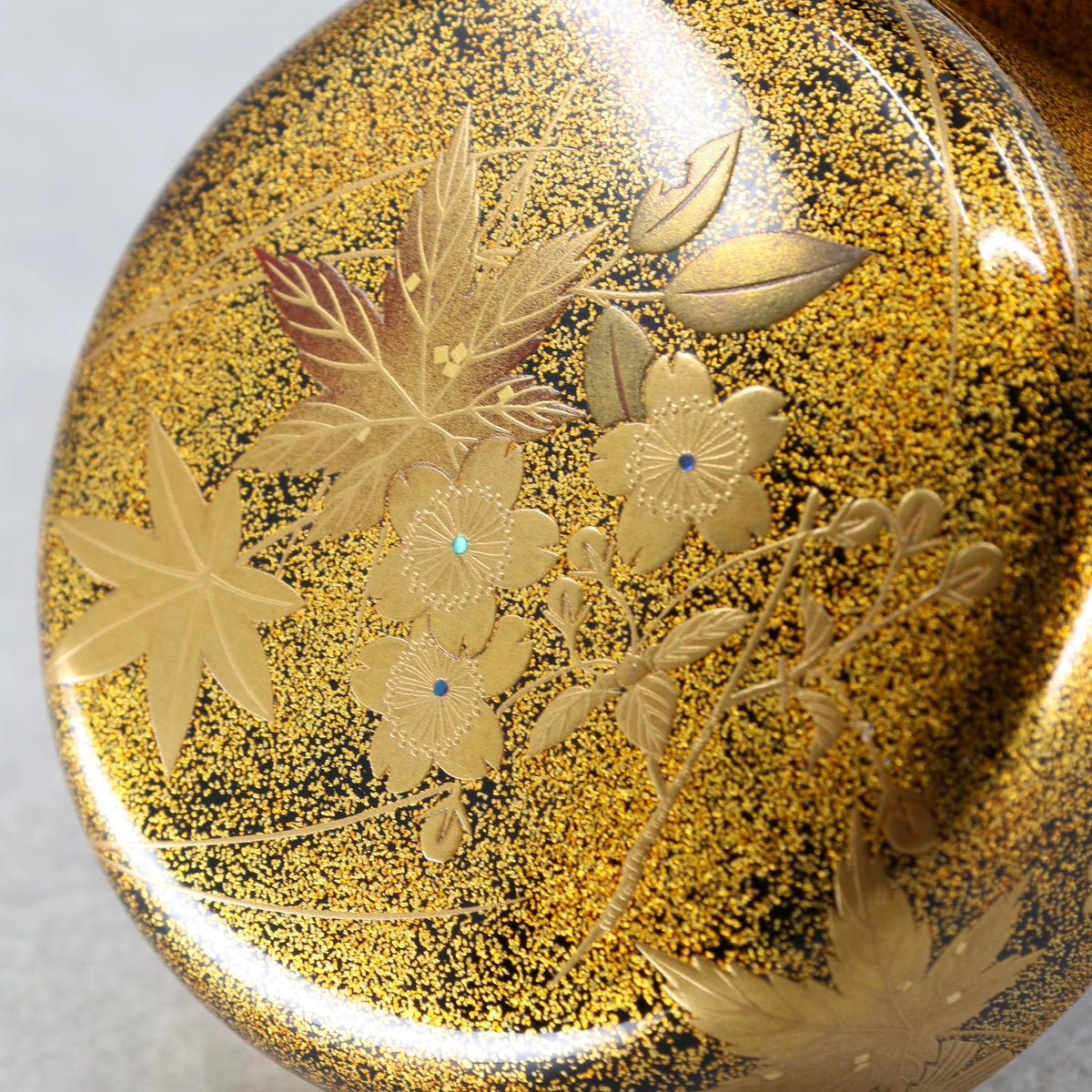
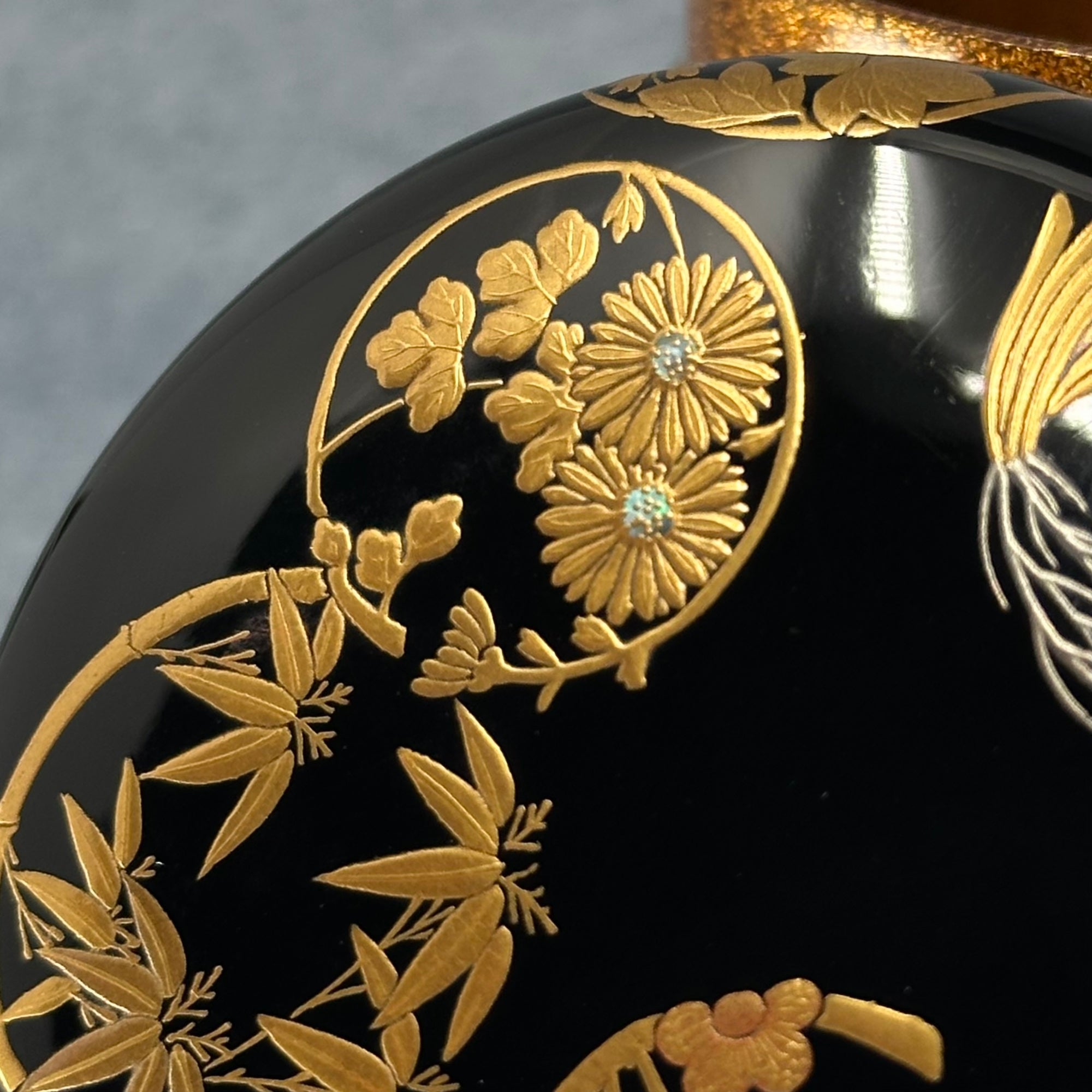
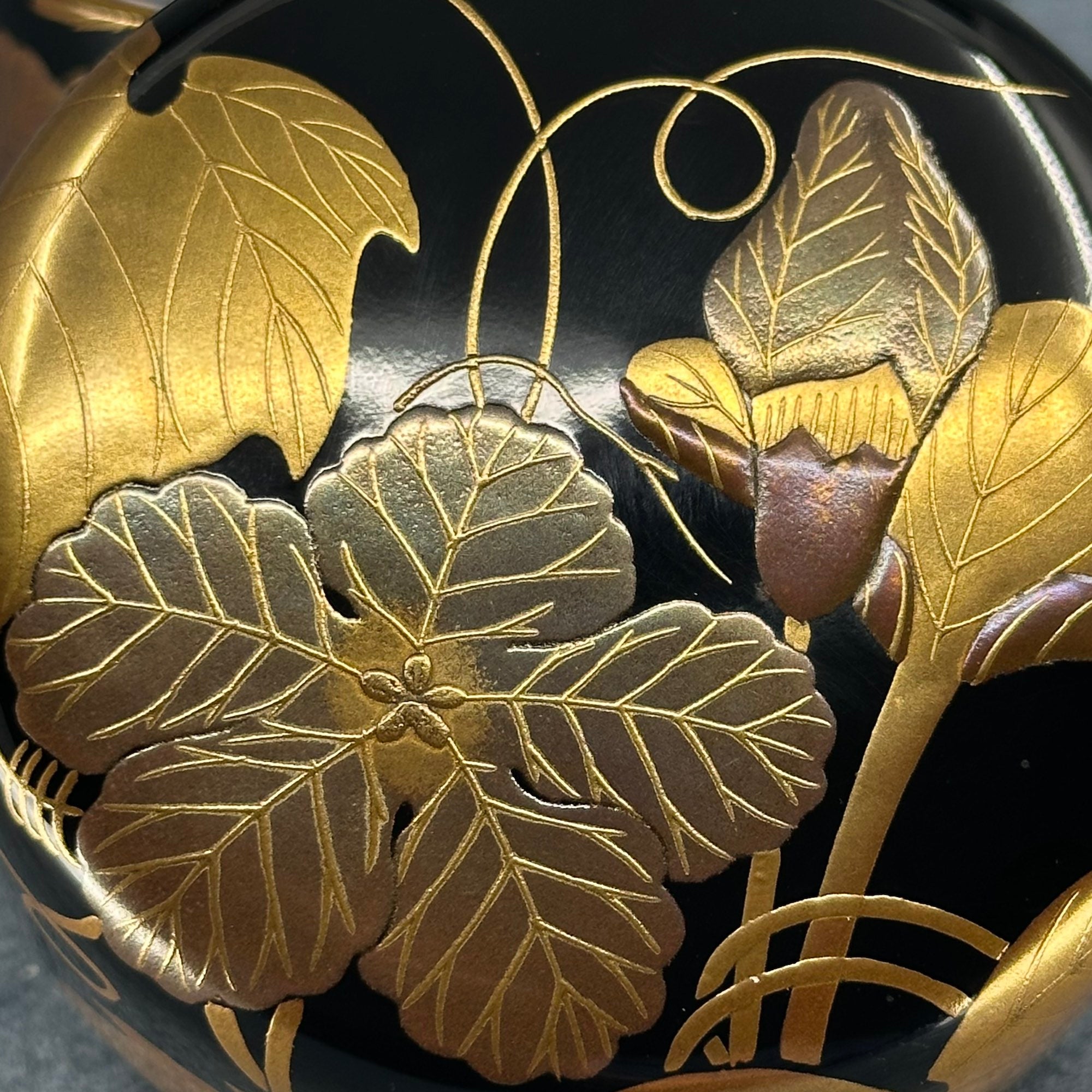
However, since its form is highly codified and thus not particularly surprising, it is not merely the signature of the craftsman who made it that makes it a precious object, but also the spirit and style of its decoration. Through maki-e (蒔絵, gold or silver powder decoration on lacquer), raden (螺鈿, mother-of-pearl inlay), or nashiji (梨地, shimmering gold background), each motif, from the simplest to the most sophisticated, has a very thoughtful meaning and enhances the harmony of the ceremony.
Why are these motifs so sophisticated and symbolic? Why do tea schools favor certain styles? To understand this, we must place the natsume in its fundamental role in the ritual of light tea (usucha, 薄茶).

The natsume: a central object in chanoyu
The natsume takes its name from the shape of the Japanese jujube fruit (棗, natsume). Used for light tea (usucha, 薄茶), it differs from the chaire (茶入, ceramic tea caddy), which is reserved for thick tea (koicha, 濃茶).
Its role is much more than utilitarian:
- It houses the matcha, ensuring its preservation and aesthetic appeal (the contrast of bright green against black lacquer is striking!) before being scooped out with the chashaku (茶杓).
- It embodies the season, as its size, shape, and motifs change according to the time of year.
- It reflects the host's identity, revealing their taste and aesthetic sensibility.
- It contributes to the visual harmony of the ritual, where each utensil must align with the whole.
Handling the natsume during the tea ceremony
During the temae (点前, tea preparation), the natsume is handled with care and reverence. The host gently grasps it with both hands, with fingers slightly curved under the base and thumbs resting on the sides. Before opening it, he (or she) often performs a fluid gesture to rotate it slightly, thus showing respect for the object. After scooping out the matcha with the chashaku (茶杓), he (or she) closes the lid with a precise and silent movement, before elegantly repositioning it on the tatami or the chadōgu (茶道具, tea utensils set) tray.
Once the tea has been served and consumed, it is time for haiken (拝見, respectful contemplation), where guests can hold the natsume to observe the fineness of its decoration and appreciate the artisan's work. This gesture, imbued with respect, helps to better understand the aesthetic and symbolic importance of this object in the tea ceremony.
The attention paid to gestures and the way the natsume is presented thus reinforces the meditative rhythm of chanoyu, where every action has an intention.
Why are natsume decorations so important?
The decoration of a natsume is not just for embellishment; it possesses a symbolic and aesthetic function that amplifies the meaning of the tea ceremony.
- Creating a seasonal atmosphere → Each motif is chosen according to the season, strengthening the connection between nature and the ritual.
- Expressing wabi-sabi (侘寂) → Some deliberately aged or minimalist decorations express beauty in imperfection and refined simplicity.
- Manifesting harmony between elements → The aesthetic of chanoyu is based on the relationship between objects, setting, and the moment.
- Honoring tea schools → Certain schools have preferences for motifs and ornamentation, reflecting their philosophy.
- An artisan as a transmitter of meaning → The motifs on the natsume are not mere ornaments; they are an interpretation of time and the moment by the artisan. Each master lacquerer translates, through maki-e, nashiji, or raden, a dialogue between tradition and personal vision.
Thus, the artisan does not just create a functional object; they infuse each motif with a silent poetry, where gold and lacquer capture the seasons and emotions of chanoyu.
This is why, during haiken (拝見, contemplation of the utensils after the ceremony), a natsume signed by a recognized master can become an object of admiration and exchange between guests. Observing the finesse of the work, recognizing the style of a famous artisan, or simply feeling the emotion they intended to convey is part of the aesthetic pleasure of chanoyu.

The most common motifs and their meaning in chanoyu
Floral and plant motifs: the cycle of seasons
| Motif | Japanese Name | Symbolism |
|---|---|---|
| Cherry blossoms | 桜 (Sakura) | Transience, spring renewal |
| Red maple leaves | 紅葉 (Momiji) | Transition, autumn melancholy |
| Autumn grasses | 秋草 (Akikusa) | Ephemeral season, elegance of passing time |
| Chrysanthemum | 菊 (Kiku) | Longevity, wisdom, imperial nobility |
| Plum blossoms | 梅 (Ume) | Resilience, winter renewal |
| Wisteria | 藤 (Fuji) | Elegance, nobility |
| Weeping willow | 枝垂れ柳 (Shidare-yanagi) | Flexibility, mystery, spirituality |
| Iris | 菖蒲 (Shōbu) | Protection, strength, courage |
| Peony | 牡丹 (Botan) | Wealth, prestige, feminine beauty |
| Morning glory | 朝顔 (Asagao) | Ephemeral life, morning wonder |
| Camellia | 椿 (Tsubaki) | Purity, refinement, winter |
| Lotus | 蓮 (Hasu) | Spiritual purity, connection to Buddhism |
Natural and atmospheric motifs: the fluidity of time
| Motif | Japanese Name | Symbolism |
|---|---|---|
| Moon | 月 (Tsuki) | Serenity, cycles of time |
| Mist | 霞 (Kasumi) | Mystery, evanescence of the world |
| Stylized waves | 波 (Nami) | Fluidity, perpetual motion |
| Mount Fuji | 富士山 (Fujisan) | Harmony, spiritual perfection |
Animal motifs: symbols of Japan
| Motif | Japanese Name | Symbolism |
|---|---|---|
| Crane | 鶴 (Tsuru) | Good omen, longevity |
| Turtle | 亀 (Kame) | Wisdom, immortality |
| Rabbit | 兎 (Usagi) | Agility, connection to the moon |
| Butterflies | 蝶 (Chō) | Transformation, transience |

The influence of tea schools on natsume decorations
Japanese tea schools and their influence
Chanoyu is not based on a single tradition, but on several schools, each of which has developed its own style over the centuries. These schools, founded by influential tea masters, transmit distinct philosophies of the ritual, thus influencing the choice of utensils, their form, their decoration, and their use. Each school favors a particular aesthetic, some seeking the rustic simplicity of wabi-sabi, others emphasizing more refined ornaments.
Thus, natsume decorations vary according to the codes and sensitivities specific to each school, reflecting their vision of tea and the shared moment it represents.
Decorative preferences according to tea schools
| School | Aesthetic Preferences |
|---|---|
| Urasenke (裏千家) | Delicate maki-e decorations, often inspired by seasons and nature. |
| Omotesenke (表千家) | Favors sober and discreet decorations, with golden nashiji finishes. |
| Mushakouji-senke (武者小路千家) | Appreciates objects with a rustic style, sometimes deliberately patinated. |
| Regional Schools | Some local schools favor motifs related to their region, such as Mount Fuji for Shizuoka schools. |
The use of a natsume decorated with a specific motif can even reflect a tribute to a family tradition, a tea master, or a specific season, making each choice deeply significant.

The natsume, mirror of motifs and seasons
The natsume is therefore not just a simple matcha tea powder container; it is a work of art where season, nature, history, and the soul of the tea ceremony converge. Through its sophisticated decorations, it tells a silent story, perceptible only to those who know how to read its language.
But beyond its motifs, the natsume is also an extension of the artisan's vision: through lacquer, it translates an atmosphere, a season, a fleeting moment. Its choice in the ceremony is not random: it embodies a dialogue between the creator, the host, and the guest, uniting all participants in a shared moment of contemplation.
Thus, choosing a natsume for a ceremony is not an insignificant gesture: it is an invitation to feel the moment, to understand the cycle of time, and to appreciate the refinement of Japanese craftsmanship.
You can discover our selection of rare and precious natsume at the bottom of this page or by clicking here.
© Atelier Ikiwa – Laurence Corteggiani. Photographs and texts protected. Reproduction prohibited without authorization.