
Of Earth and Fire: An Introduction to Japanese Ceramics
A Millennia-Old Tradition and a Timeless Art
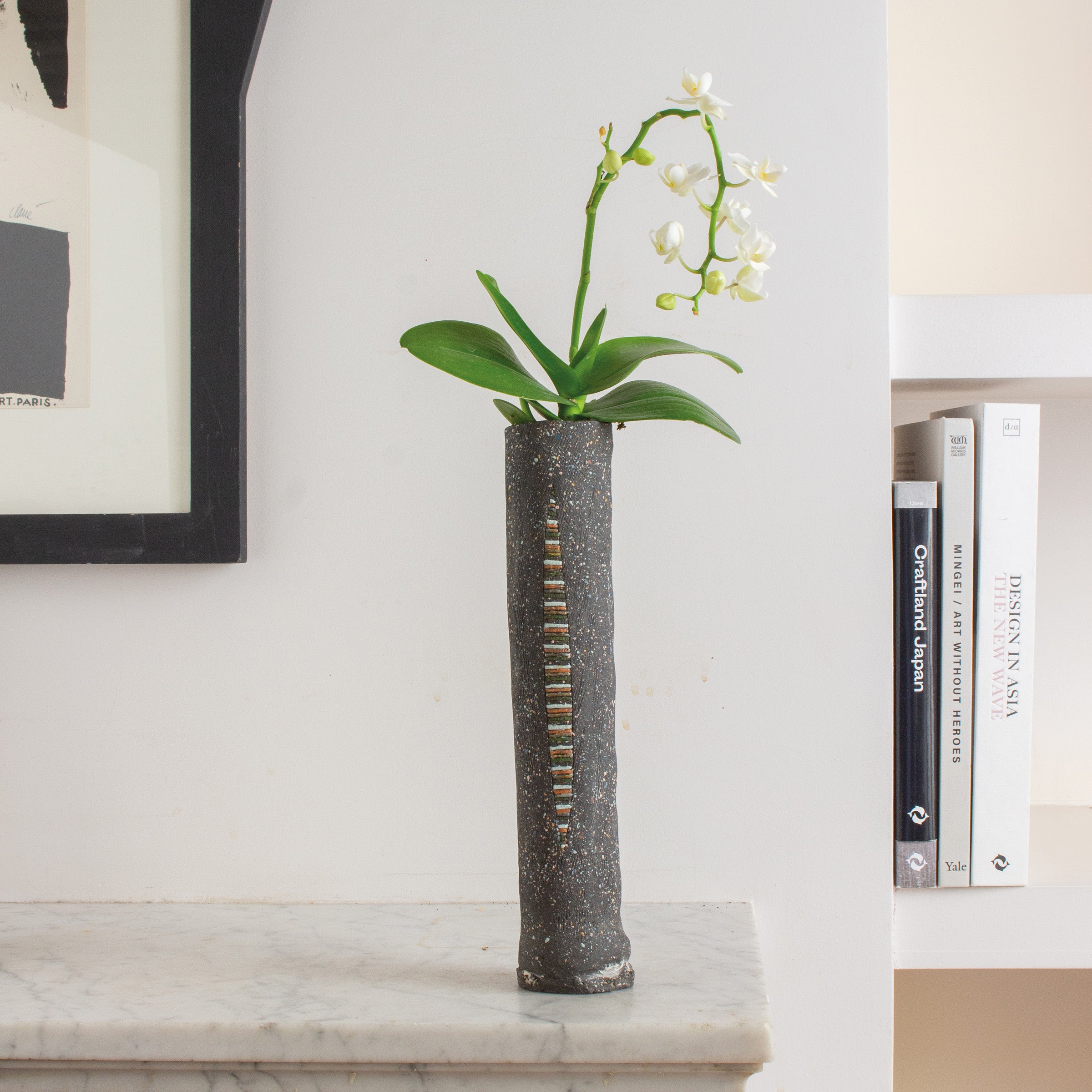
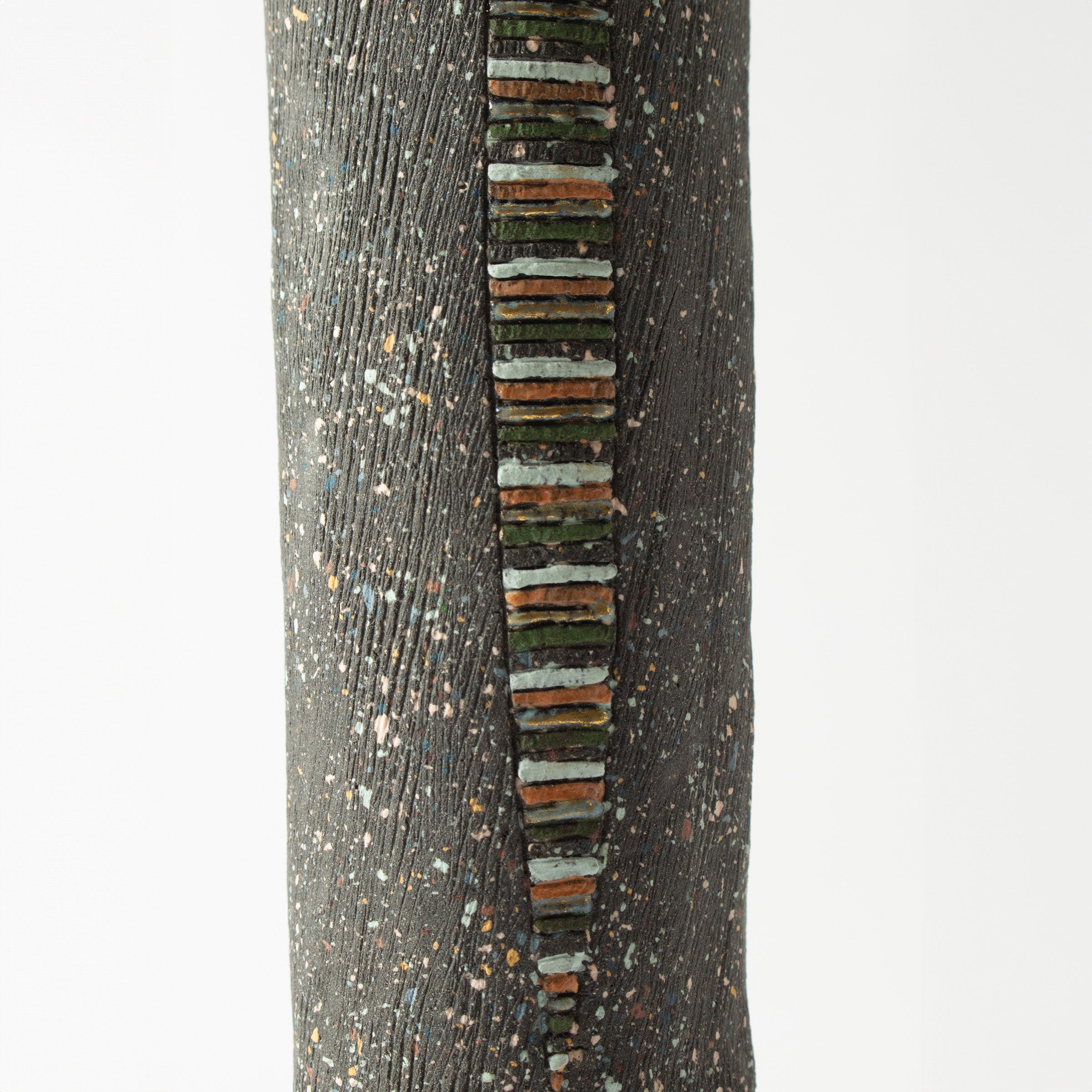
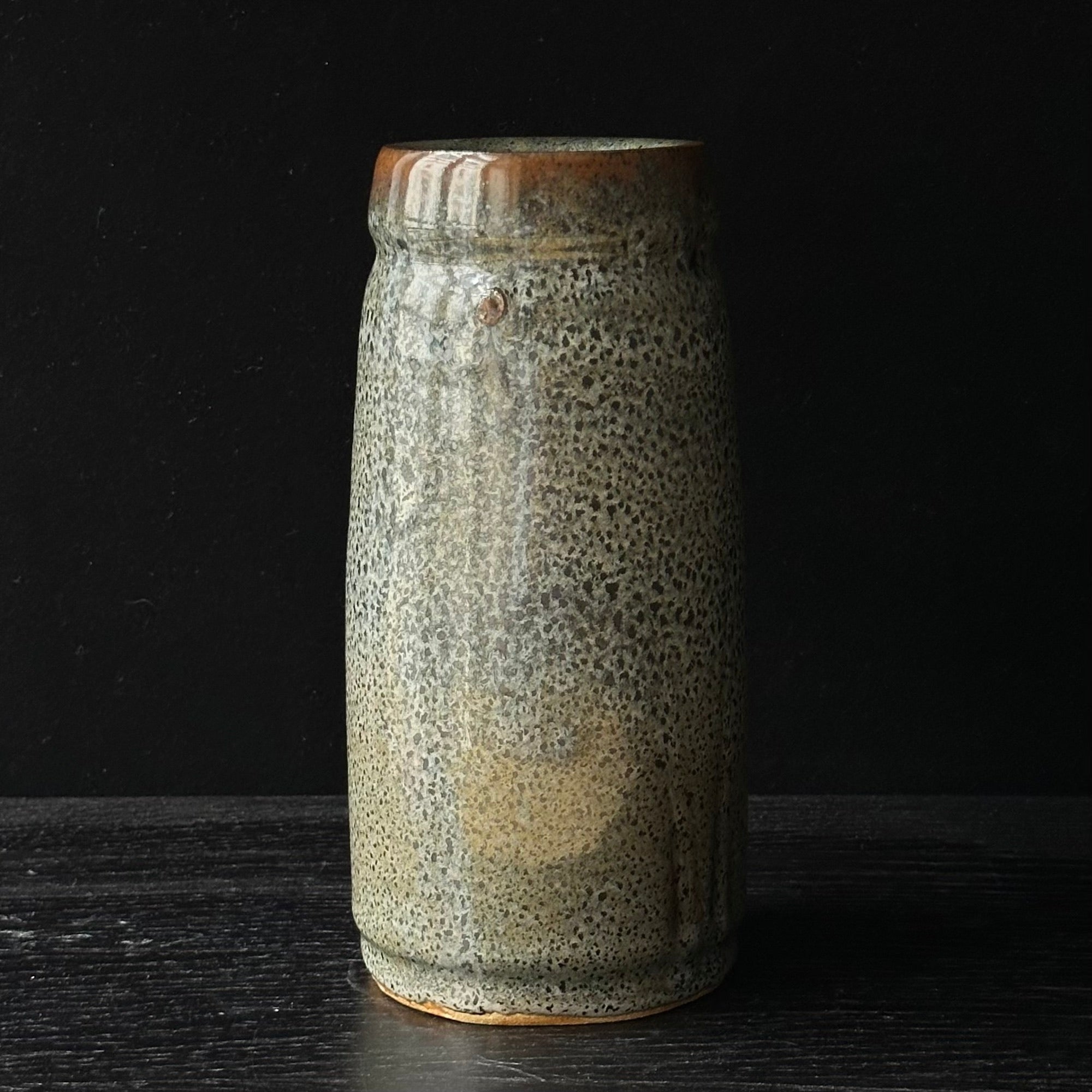
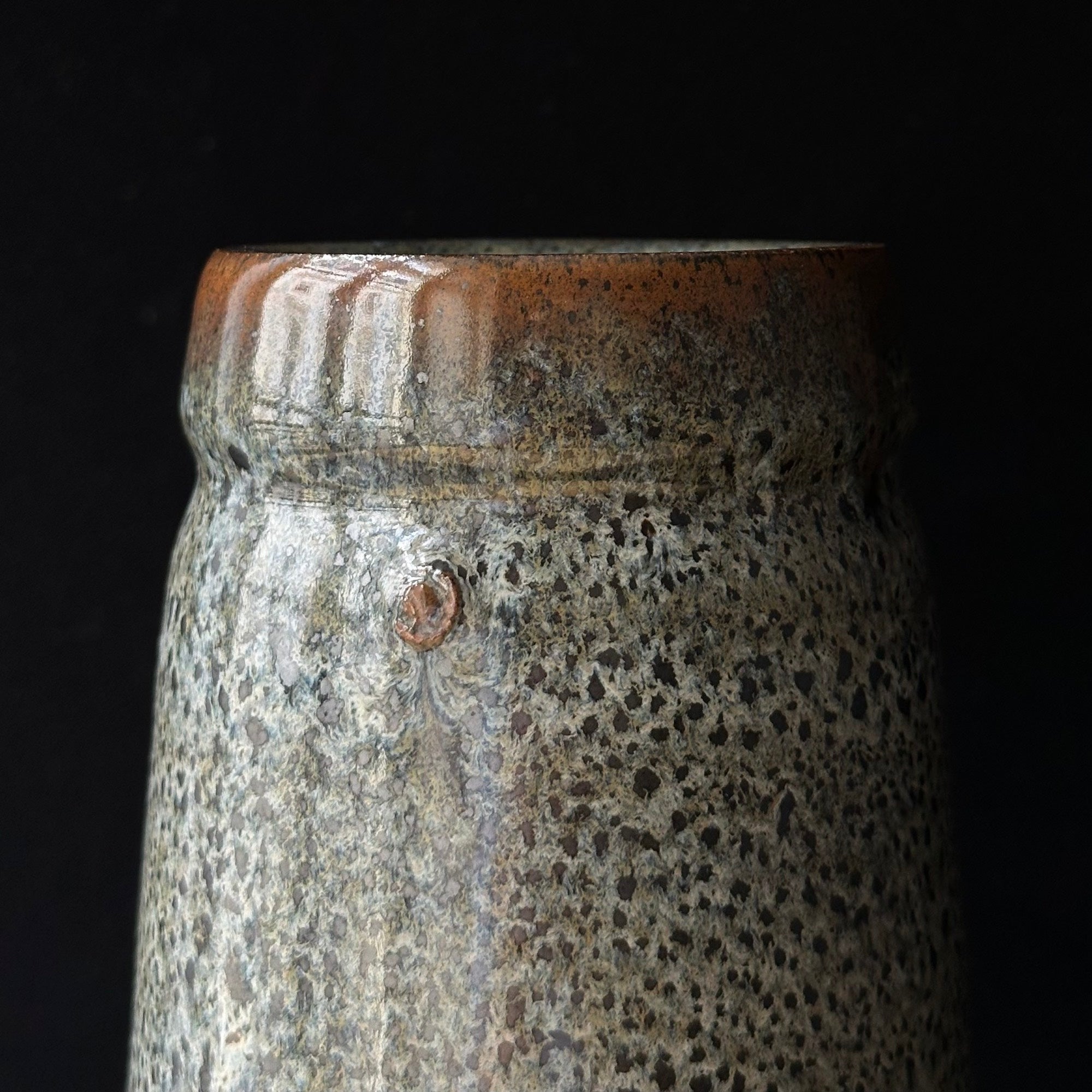
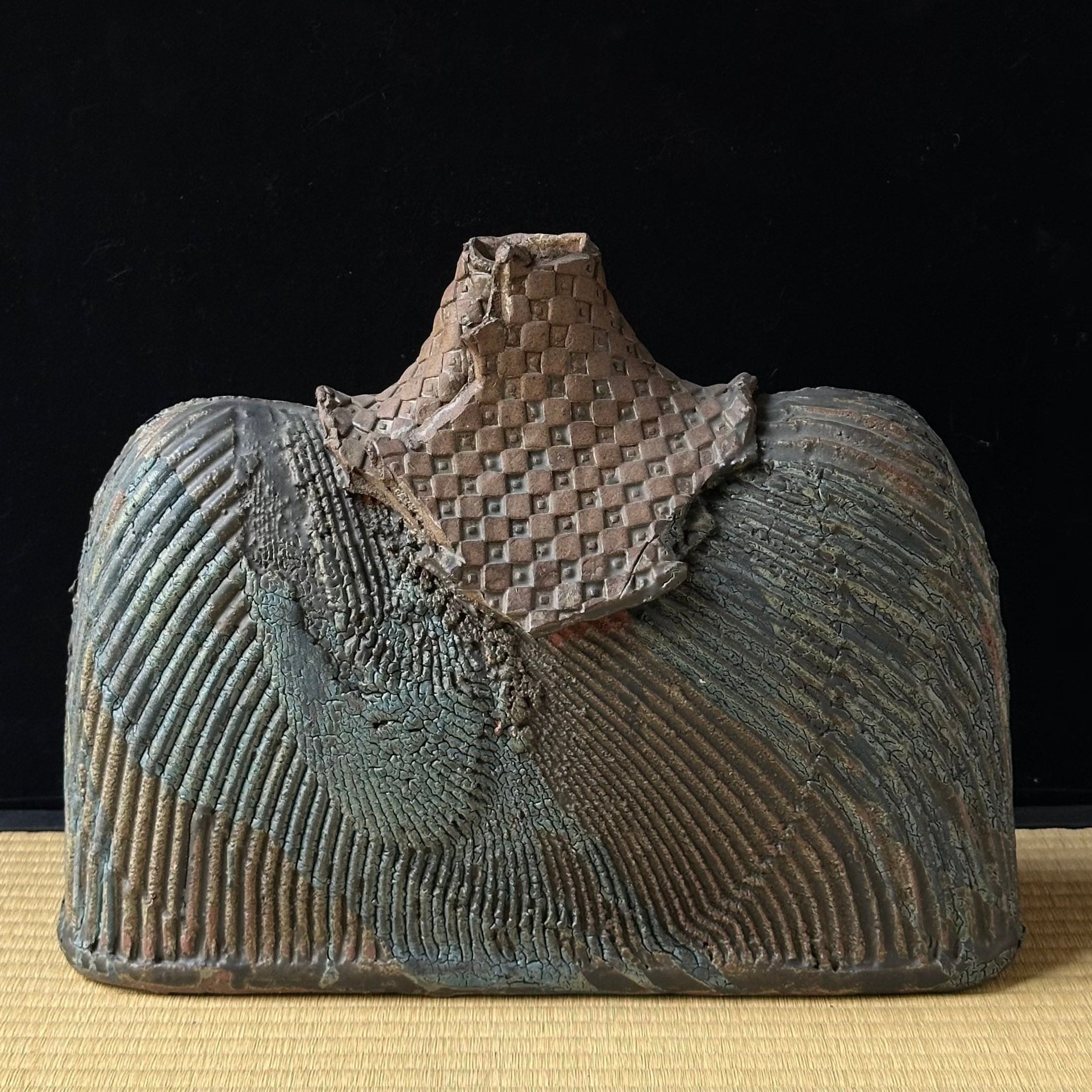
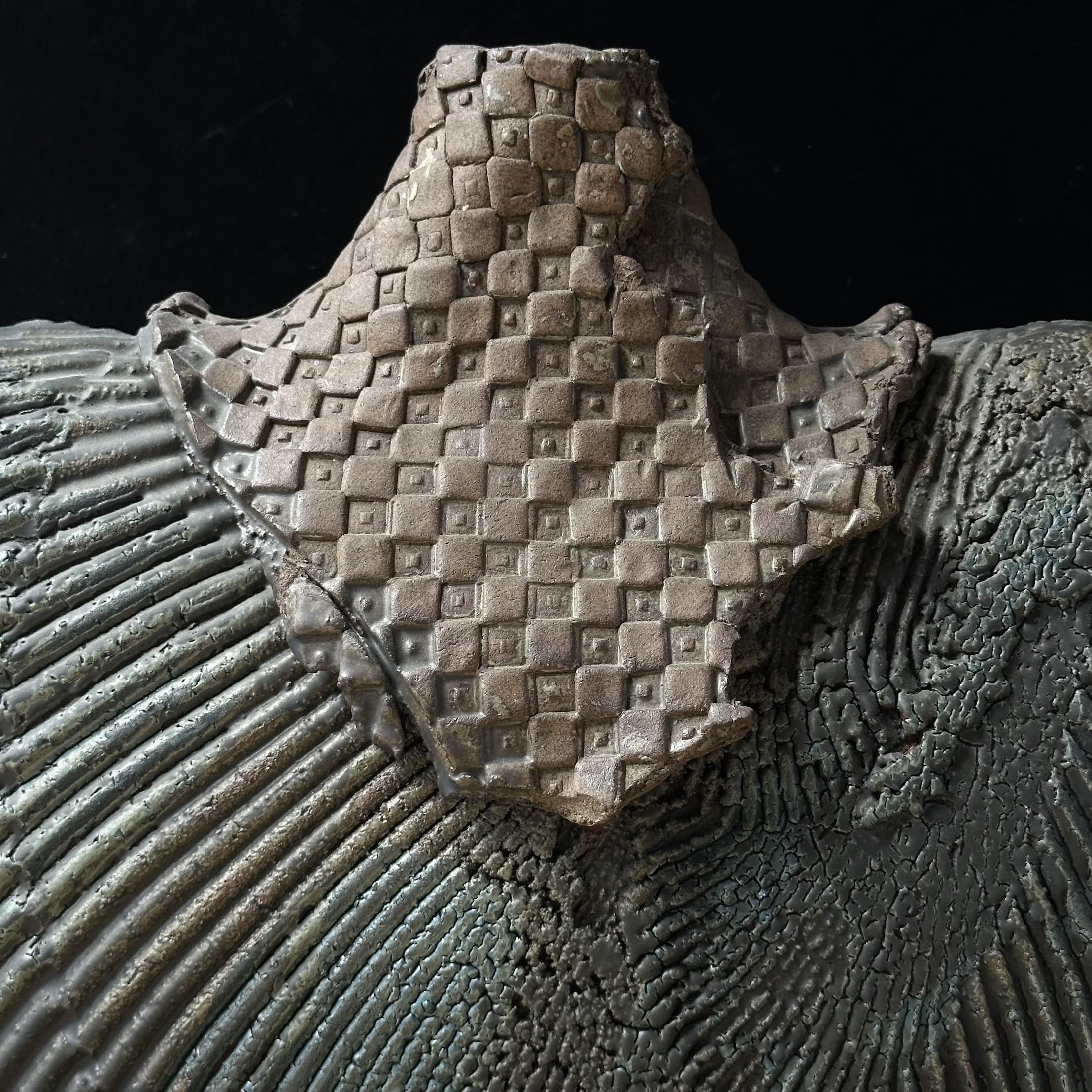
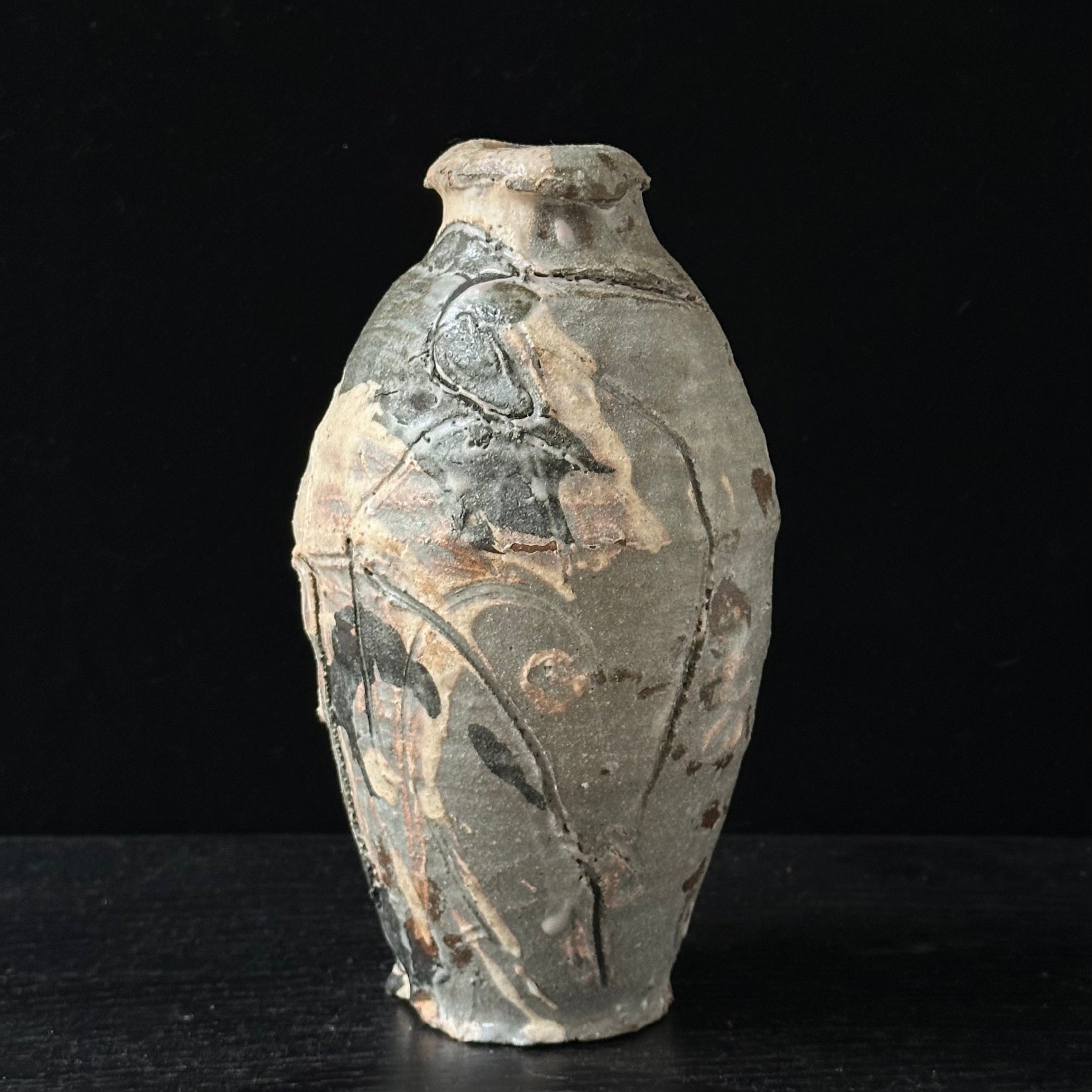
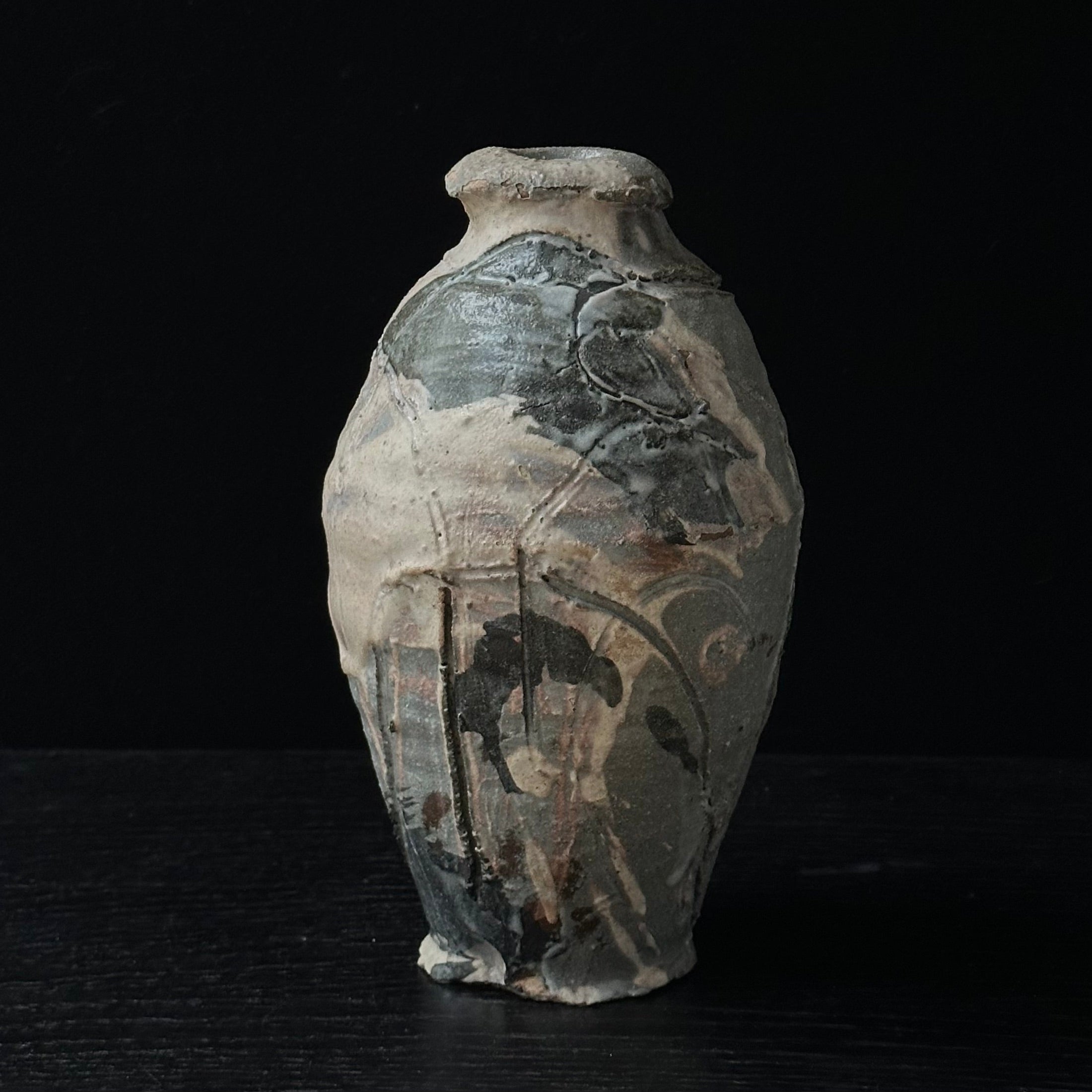
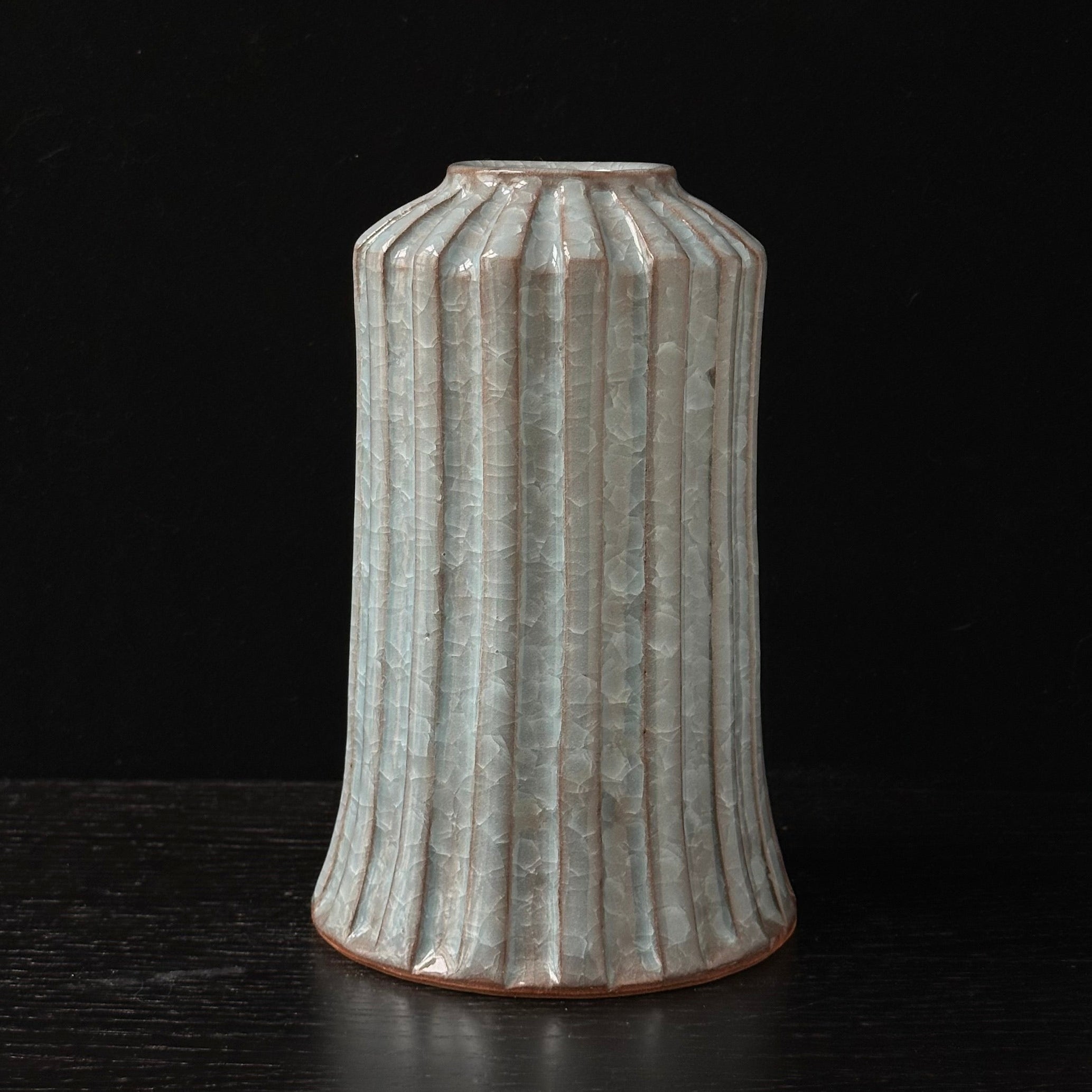
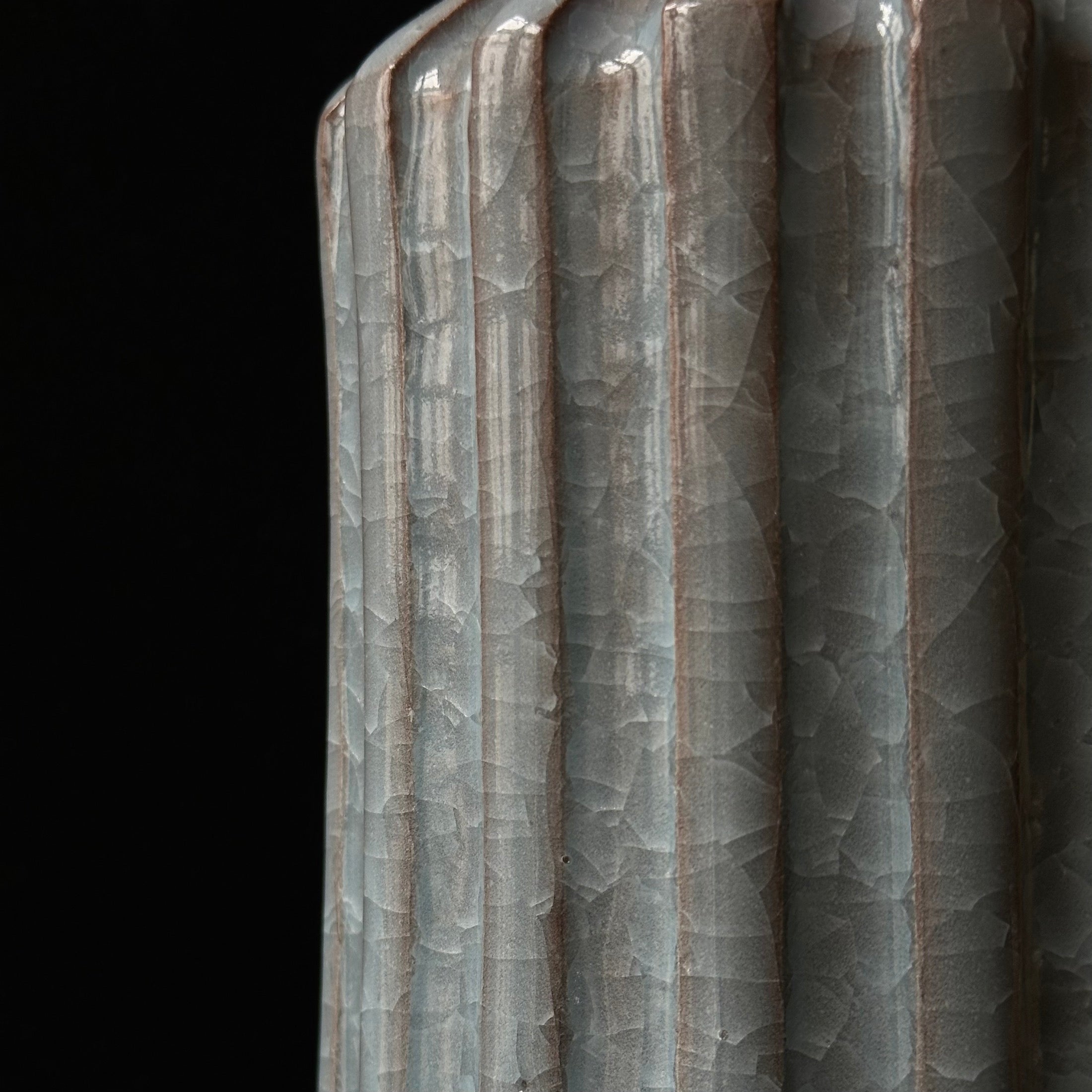
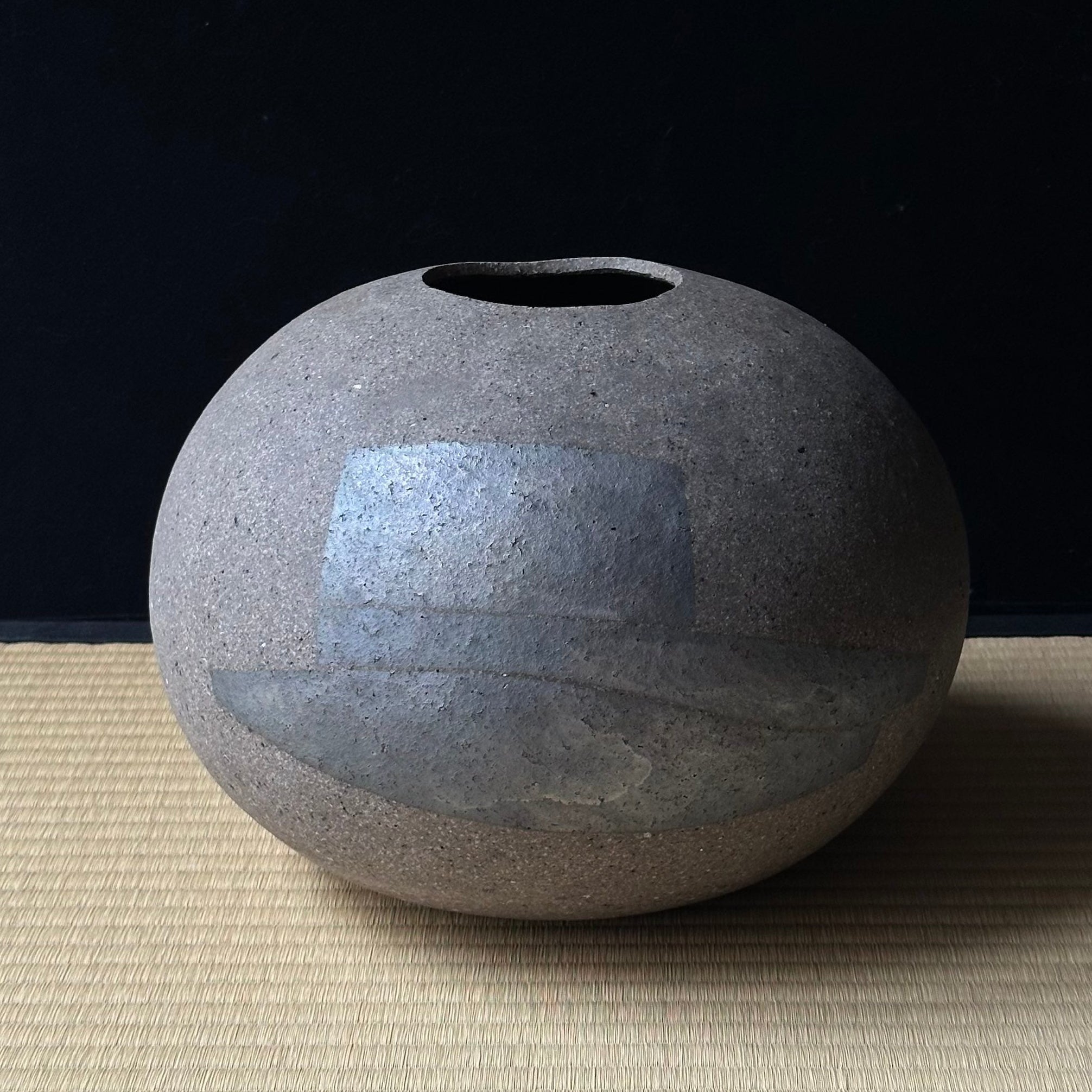
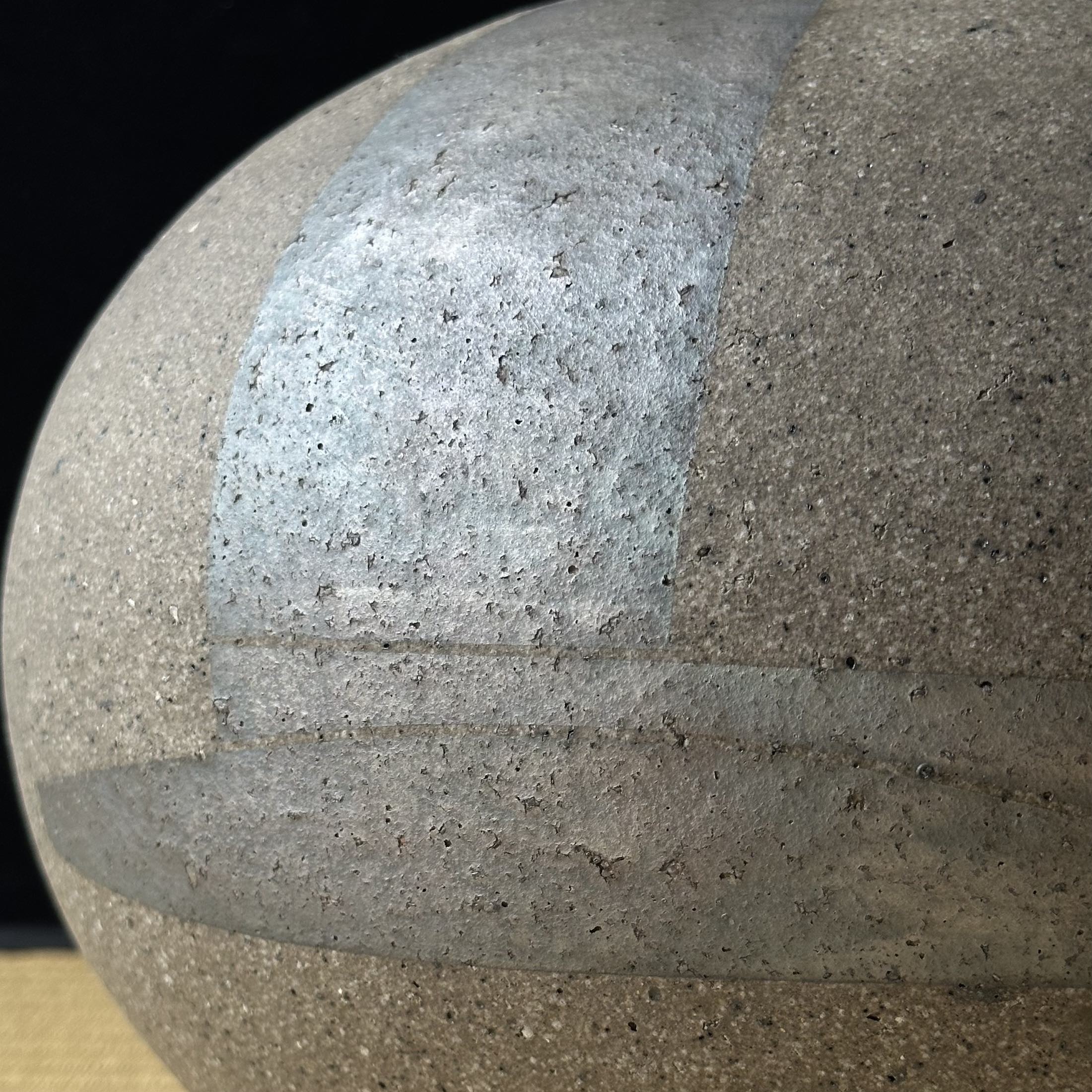
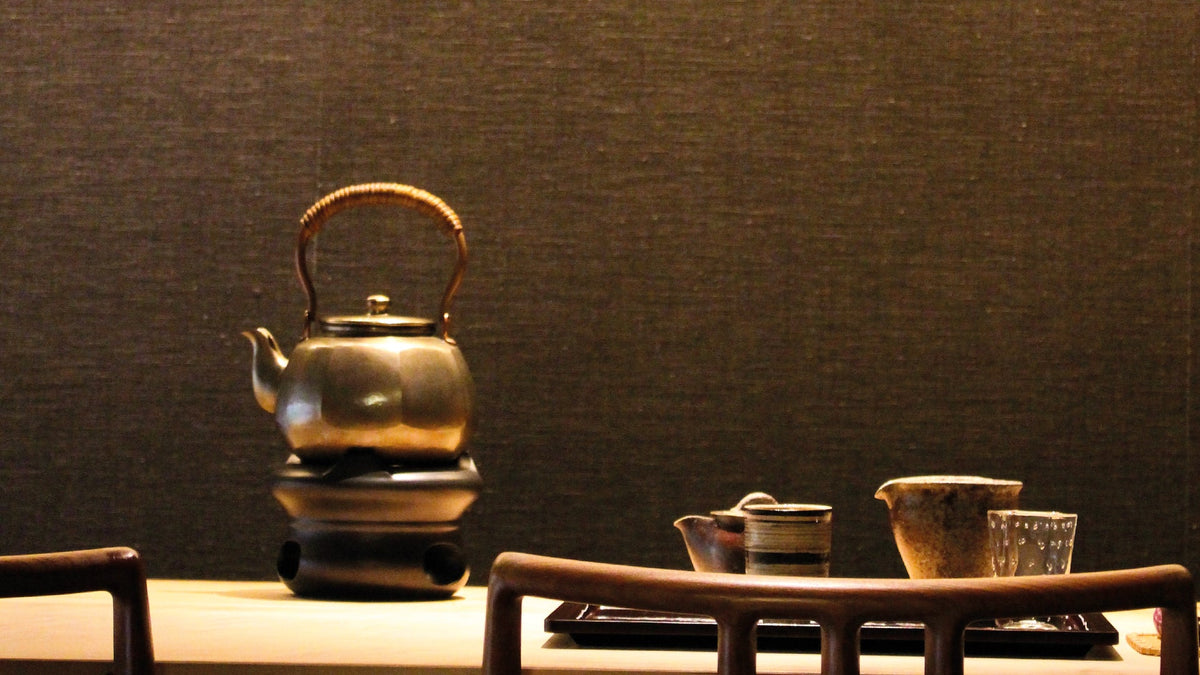
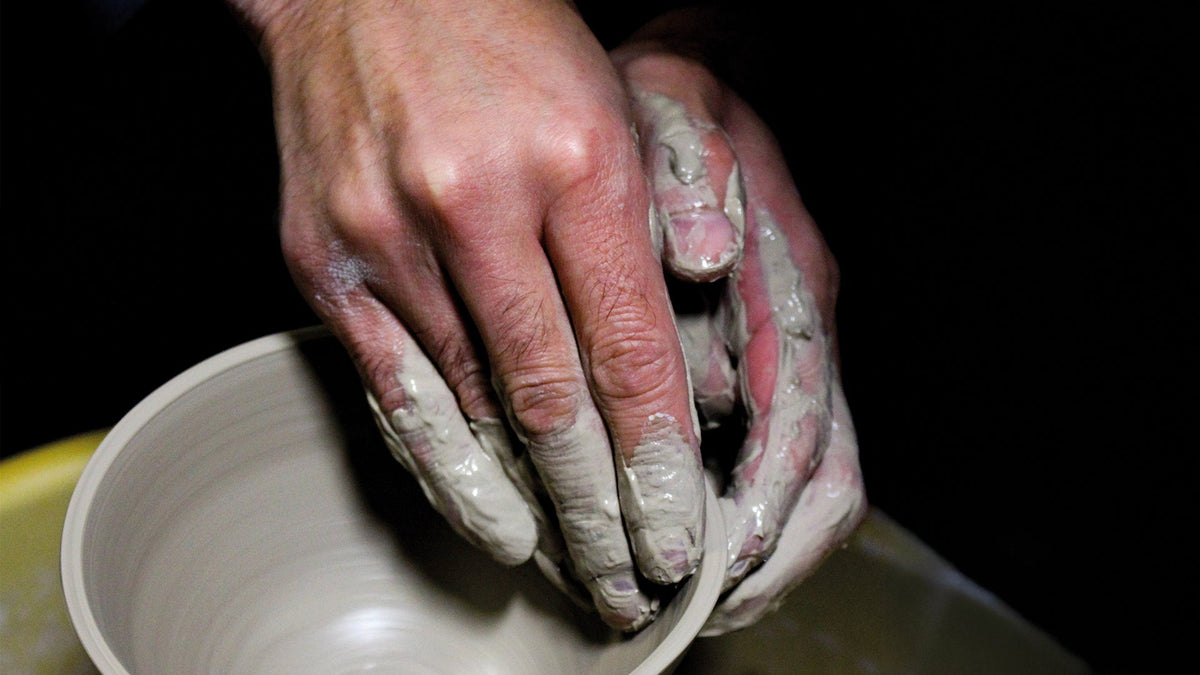
Japanese ceramics are much more than a simple craft. They embody the essence of Japanese culture, a silent dialogue between humans and nature. Each piece is imbued with history, the slow and precise gesture of the artisan, and the natural elements that transform earth into a work of art. The simple forms, raw textures, and delicate crackles reveal a philosophy of passing time, an acceptance of imperfection—wabi-sabi.

Chronicles of Earth and Fire: Japanese Ceramics from Jomon to Today
The history of Japanese ceramics begins in the Jomon period (10,000 to 300 BC), when the first earthenware pottery was made by hand, often with elaborate patterns. These early pieces, utilitarian or ritualistic, marked the beginning of a tradition that would evolve over time.
Chinese and Korean influence played a decisive role from the Asuka (552-710) and Nara (710-794) periods. Glazing and high-firing techniques were introduced, allowing Japanese ceramists to diversify their production. During the Heian period (794-1185), ceramics became more refined, used in aristocratic and religious contexts.
However, it was during the Kamakura (1185-1333) and Muromachi (1336-1573) periods that Japanese ceramics truly flourished, notably with the rise of the tea ceremony. This deeply spiritual ritual required specific objects, including the famous tea bowls that would become masterpieces of Japanese ceramic art. The development of high-temperature kilns and the arrival of Chinese and Korean glazes then fostered a new era of creativity. Finally, during the Edo period (1603-1868), ceramics fully blossomed with the creation of distinct regional styles that continue to this day.

Journey to the Heart of Clay: The Great Regions and Styles of Japanese Ceramics
Each region of Japan has forged a distinct ceramic identity, linked to the nature of its clay, the typology of its kilns, and its local history. Here is an overview of the main production centers, including those specializing in porcelain:
-
Bizen (Okayama)
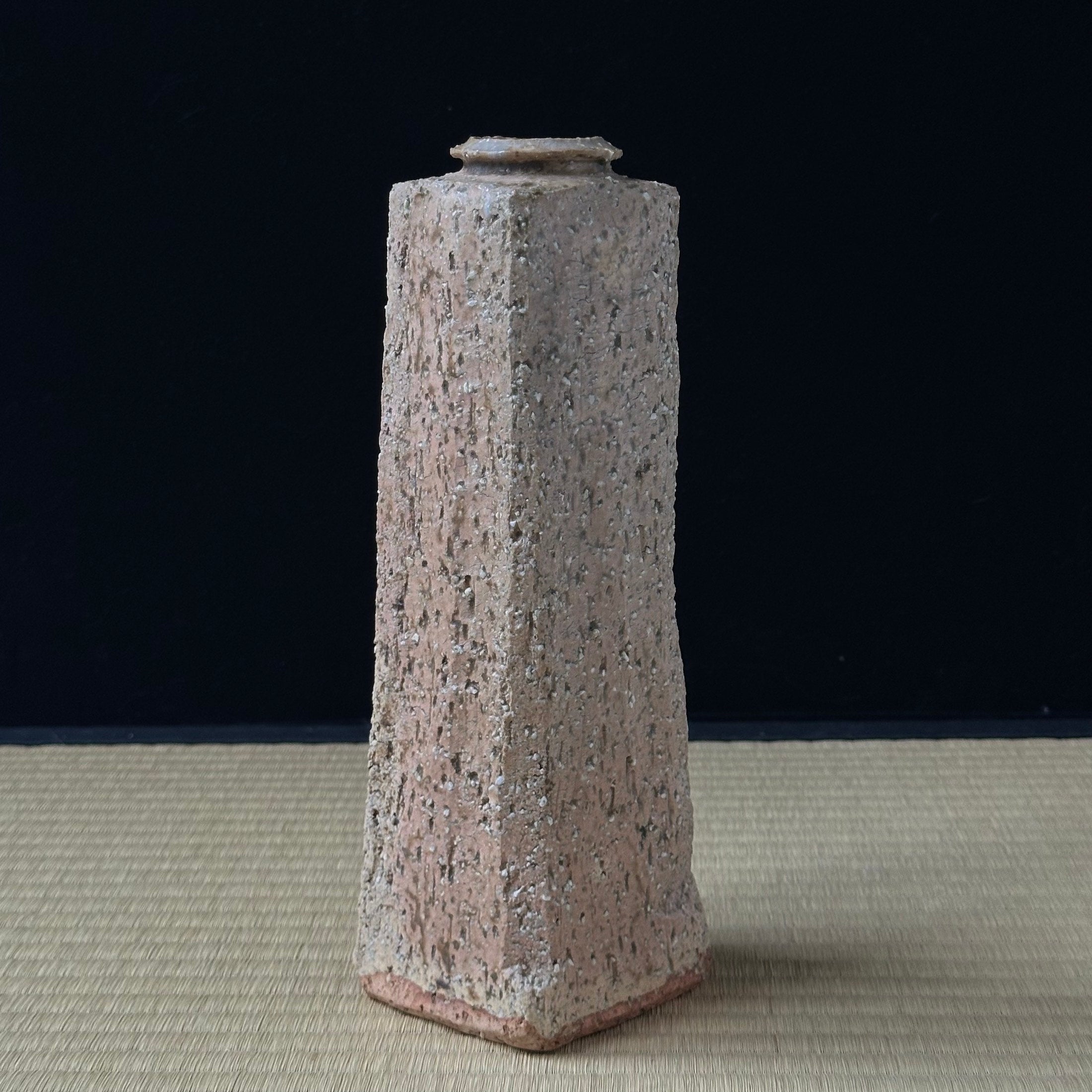
Bizen pieces are unglazed and fired for a long time at high temperatures in wood-fired kilns, displaying brown and red hues. They often bear the marks of flame and ash. -
Shino (Mino, Gifu Prefecture)
The first Japanese style to use thick white glazes, characterized by subtle crackles and simple, often abstract patterns. -
Karatsu (Kyushu)
Closely associated with the tea ceremony, Karatsu-yaki features earthy tones and natural glazes, emphasizing the purity of form. -
Hagi (Yamaguchi)
Known for its crackles (kannyu) that become apparent over time, Hagi-yaki offers delicate shades ranging from white to pinkish. -
Mashiko (Tochigi)
A rustic style made famous by Shoji Hamada, it is distinguished by solid, simple pieces intended for daily use. -
Seto (Aichi)
One of the oldest pottery regions in Japan, renowned for its multiple glazes (Ki-Seto, Seto-guro, etc.) and its varied productions, from tea bowls to everyday tableware. -
Tokoname (Aichi)
Famous for its red clay, Tokoname stands out for its elegant and timeless unglazed teapots and objects. -
Arita / Imari (Saga, Kyushu)
The birthplace of Japanese porcelain, Arita is renowned for its underglaze blue painted decorations, while Imari primarily refers to more colorful and richly ornate patterns. -
Kutani (Ishikawa)
Known for its vibrant polychrome enamels (red, green, yellow, purple) and patterns inspired by nature and traditional scenes. -
Satsuma (Kagoshima)
Characterized by its richly gilded decorations and detailed paintings, Satsuma pottery was massively exported to the West in the 19th century. -
Tamba (Hyogo)
Among the oldest ceramic traditions, known for its utilitarian wood-fired jars and pots, which display brown and black tones.
(NB: This list is not exhaustive, but covers the main styles recognized for their notoriety and diversity.)

The Major Trends in Japanese Ceramics: Between Heritage and Renewal
Beyond regional identity, Japanese ceramics have been nourished by several significant trends, each bringing a unique vision of the object's form, function, and philosophy.
Mingei: The Soul of the People
Championed by Yanagi Sōetsu in the early 20th century, the Mingei movement emphasizes everyday objects, designed to be used rather than strictly exhibited. Potters like Shoji Hamada and Kanjiro Kawai embodied this vision of sincere pottery rooted in popular tradition.
Sodeisha: The Audacity of Sculpture
Born in Kyoto in the 1940s, the Sodeisha movement ("society of clay casting") views ceramics as an art in its own right, freed from its primary function. Pioneers like Yagi Kazuo pushed the boundaries of form, creating pieces with sometimes very sculptural appearances.
The Aesthetics of Chanoyu
More than a trend, the tea ceremony (Chanoyu) profoundly influenced ceramic art, valuing sober and meditative pieces (Raku, Hagi, Karatsu) inspired by Zen and the idea of beauty found in imperfection.
Other Modern Approaches
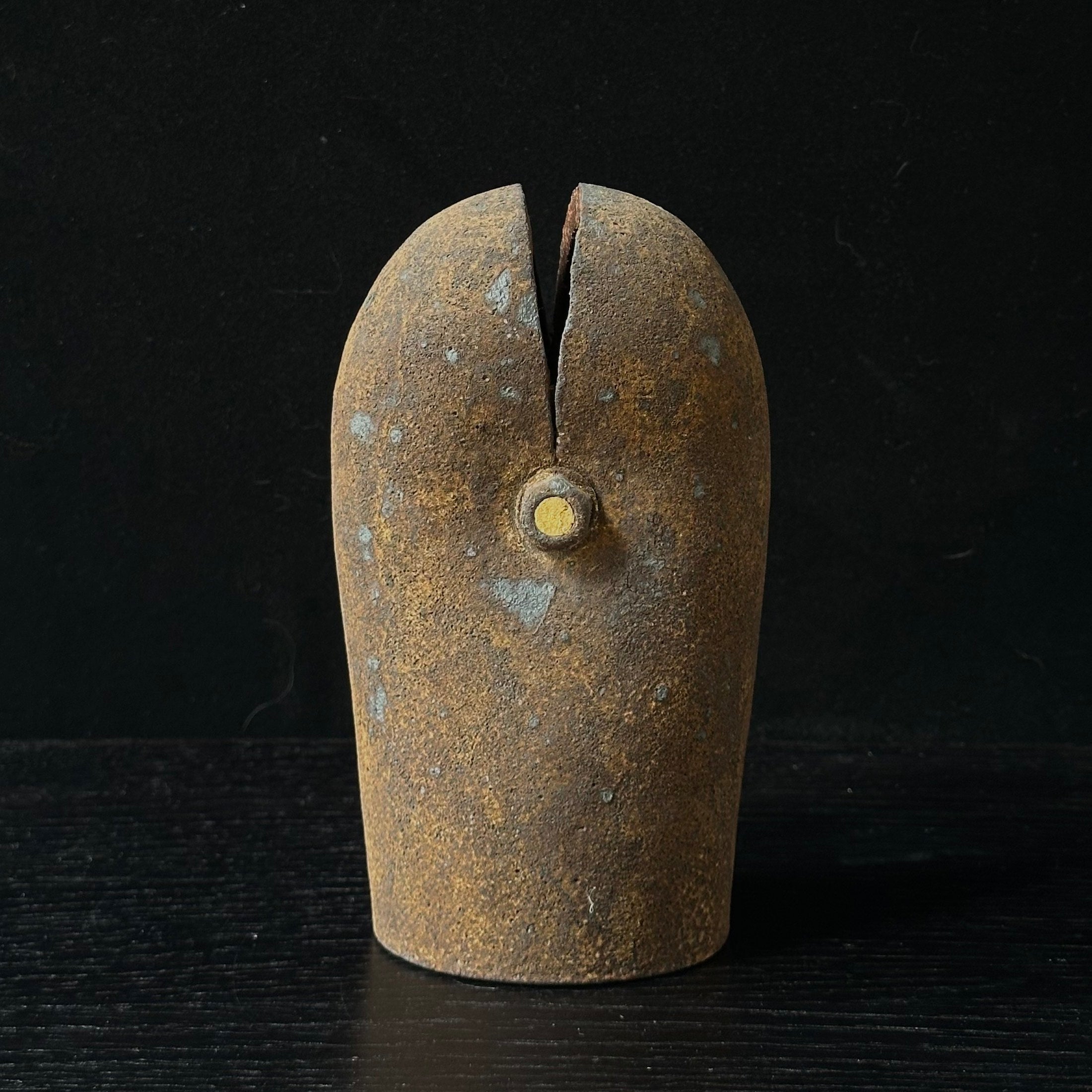
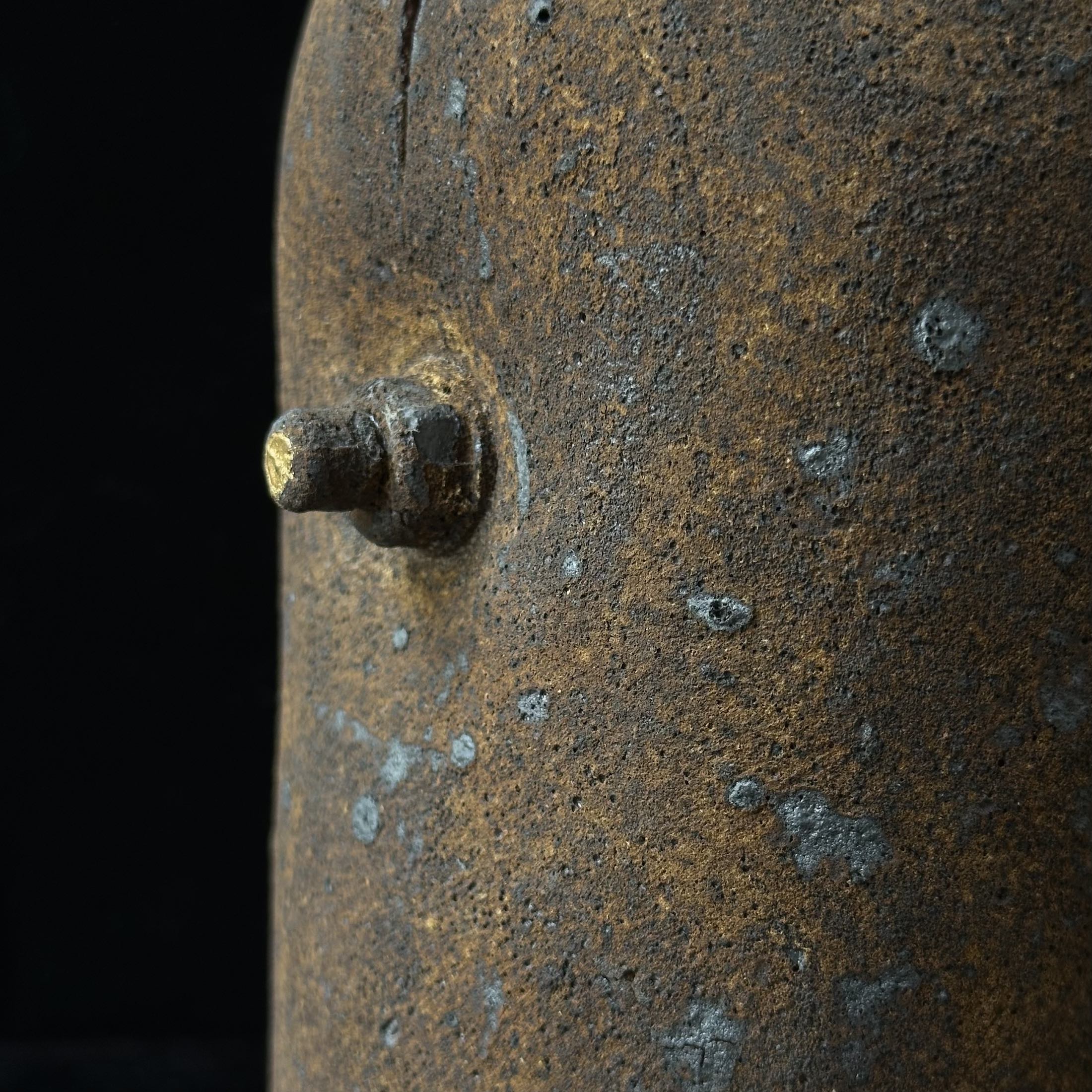
Many contemporary ceramists explore new forms, experimental glazes, or artistic installations, drawing alternately from tradition (anagama, yakishime) and a more forward-looking surge of creativity.

An Invitation to Meet the Great Masters of Japanese Ceramics
Choosing a piece of Japanese ceramics means welcoming a fragment of history and nature, subtly shaped by human hands, into your home. Beyond the refined forms and mysterious glazes, each object tells the story of the complicity between earth, fire, and the ceramist's patient gesture. Whether you are drawn to the gentle roughness of stoneware or the enigmatic transparency of porcelain, the essential lies in the intimate connection that is created, a silent echo between your space and the soul of the object.
To accompany those who wish to delve deeper into this quest, we invite you to discover our selection of Master Art Vases in Japanese Ceramics, a collection where each piece stands out for its technical mastery and unique identity. If the poetry of vases fascinates you, or if you wish to explore their symbolism and use in Japan, we also recommend reading our article Japanese Ceramic Vases: Symbolism and Usage. You will find keys there to grasp the full spiritual and aesthetic dimension surrounding this ancient art.
© Atelier Ikiwa – Laurence Corteggiani. Photographs and texts protected. Reproduction prohibited without authorization.