
On the roads of Tōhoku: a peaceful Japan, far from the crowds
A little-known region in northeastern Japan, Tohoku still evokes for many the earthquakes and tsunami of 2011. Marked by this tragedy, this territory remains unfairly overlooked by classic tourist circuits. Yet, Tohoku possesses a tranquil strength, untouched landscapes, and a rare humanity. This journey, more sensitive than touristic, offered me intensely profound experiences, in the heart of an extremely welcoming Japan.

Tohoku, between mountains and solitude
Tohoku stretches north of Honshu, Japan's main island. It comprises six prefectures, from Fukushima to Aomori, and remains one of the country's wildest and most rural regions. Here, there are no bustling megacities or influencers snapping photos, but rather lakes, mountains, and deep forests. It is a land of silence, often swept by winds and covered in snow for long months. It is also a territory shaped by a discreet history and tenacious traditions, which find little mention in major tourist guides. Although winter must be magical there, the large amounts of snow would certainly make travel very difficult. I visited it in autumn, an ideal and very mild period, but the region must also be superb in spring, and undoubtedly very pleasant in summer when it is very hot everywhere else.

Tohoku, a land of craftsmanship and lacquerware
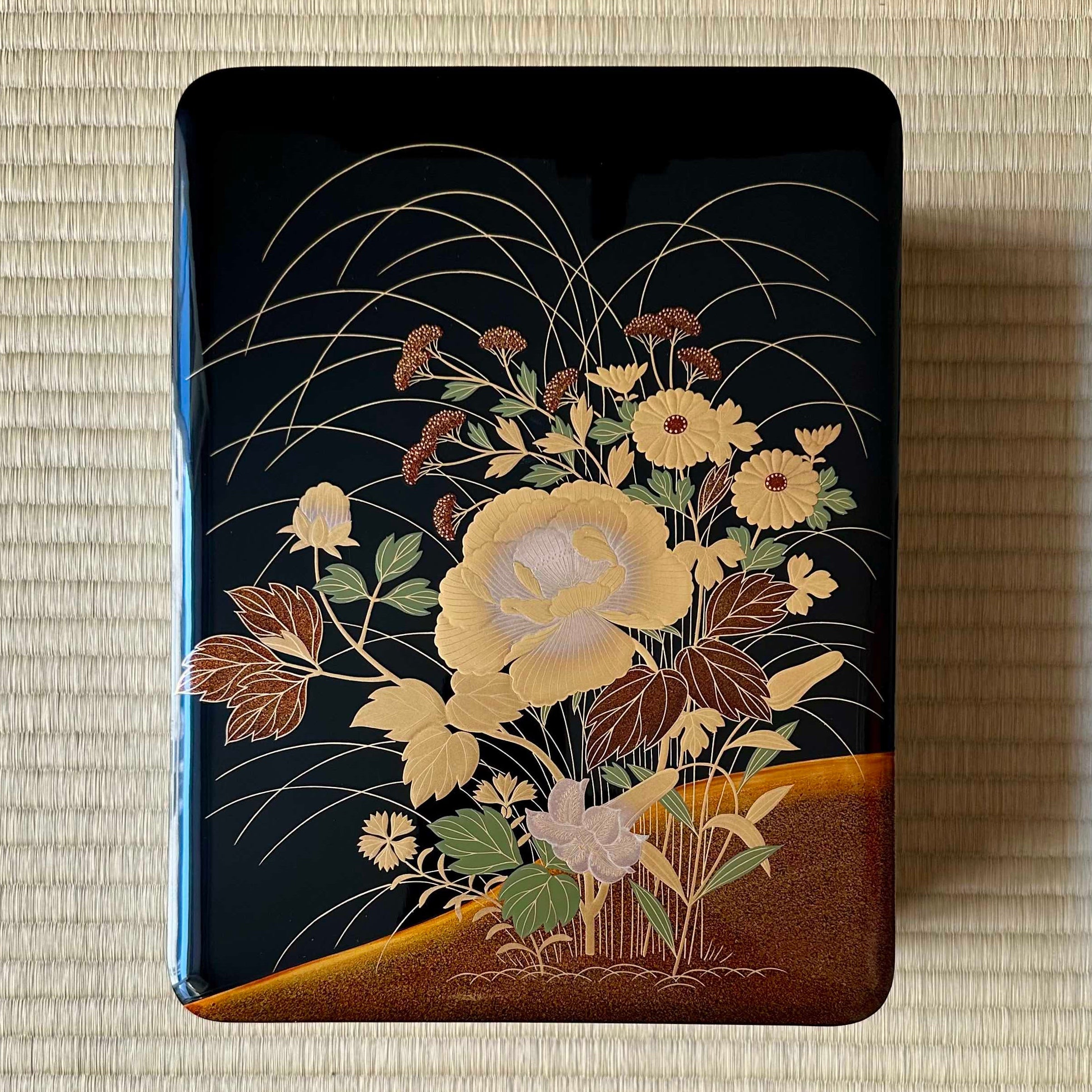
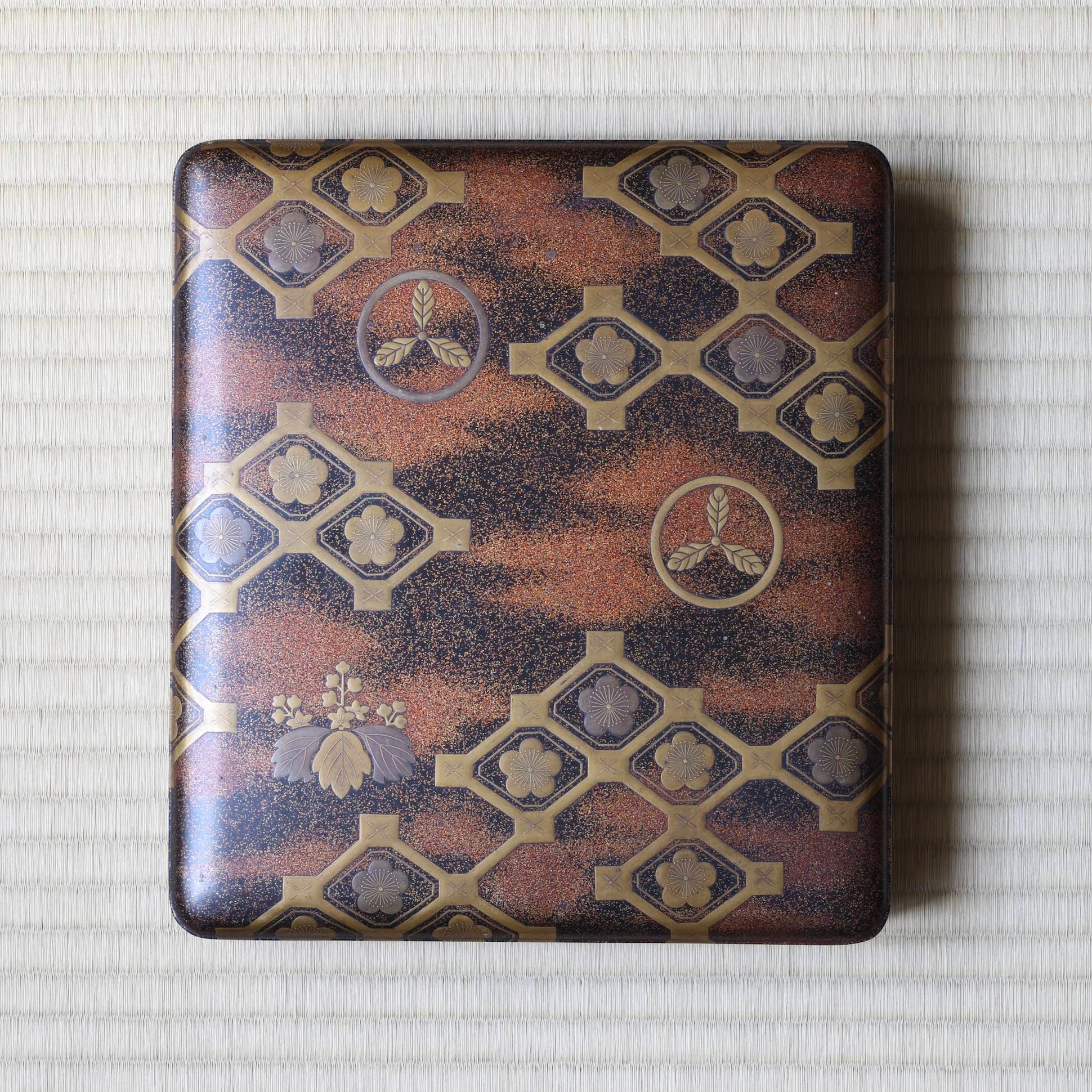
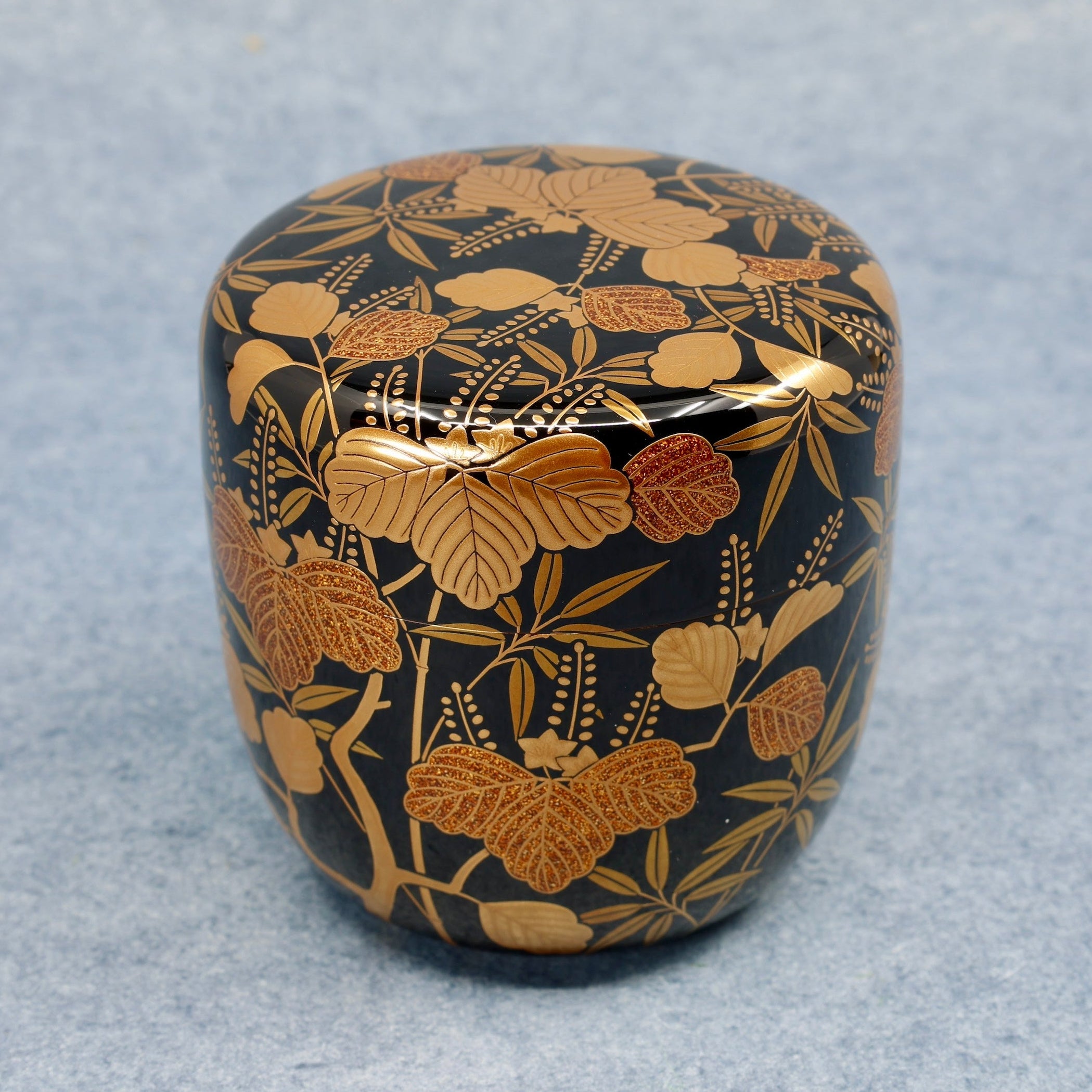
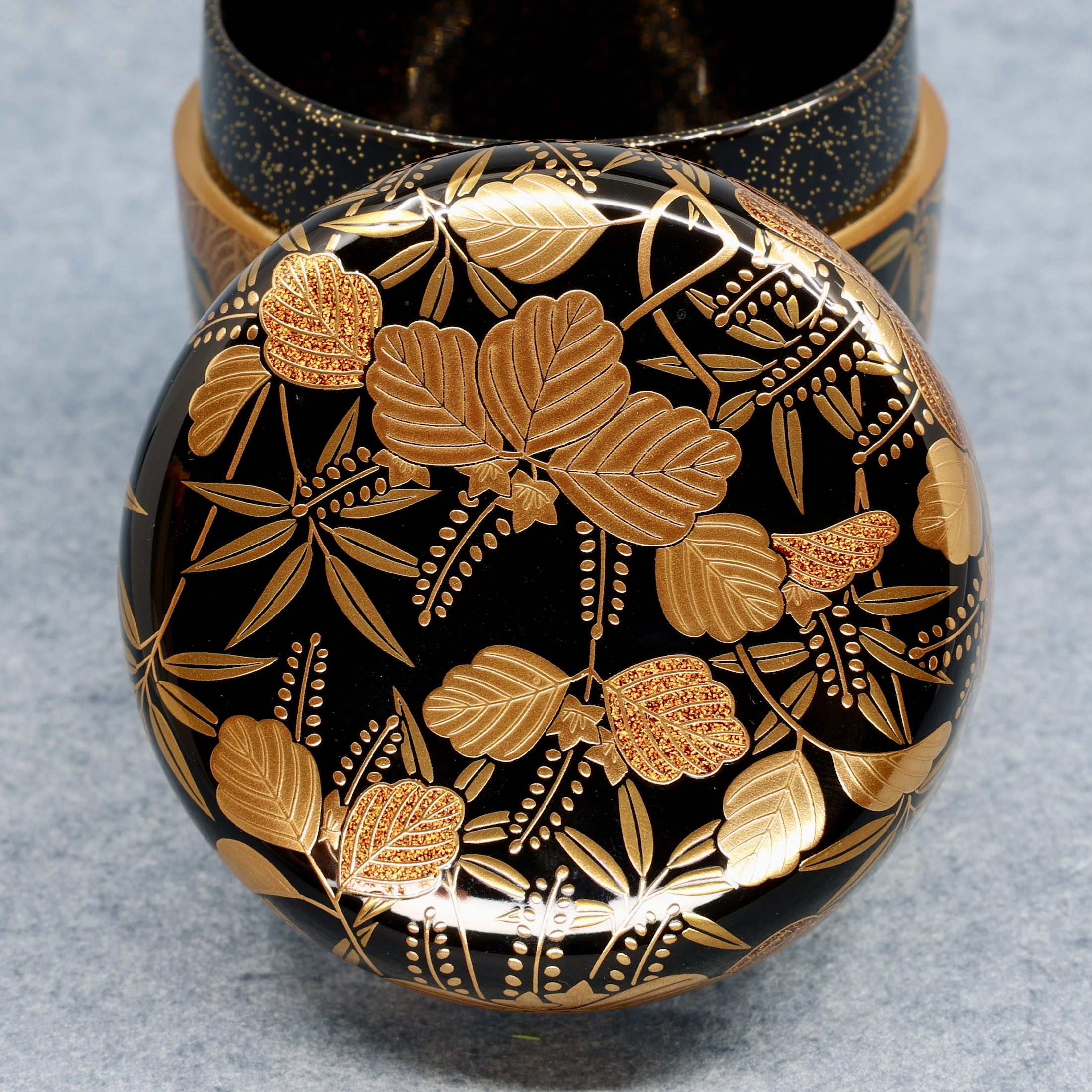
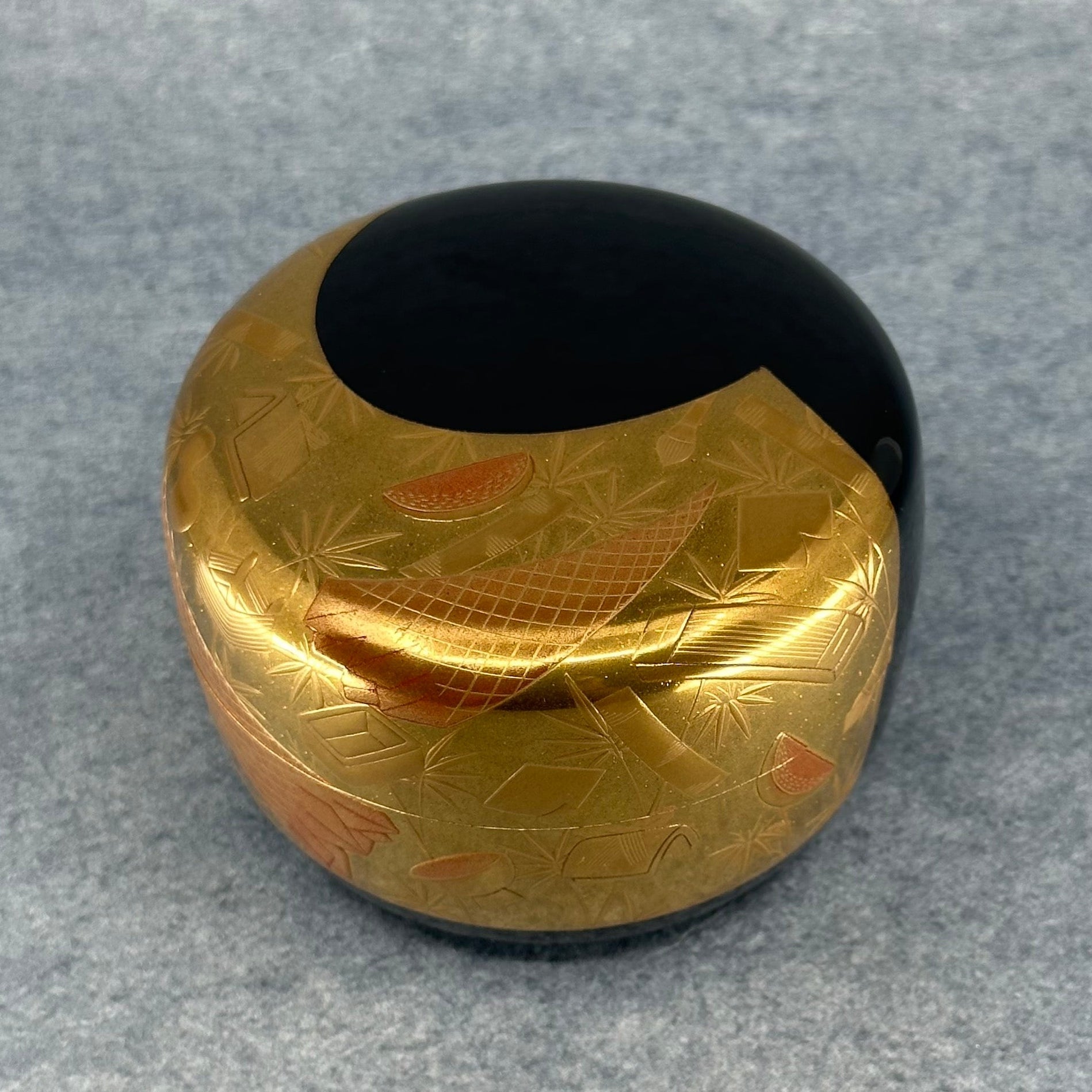
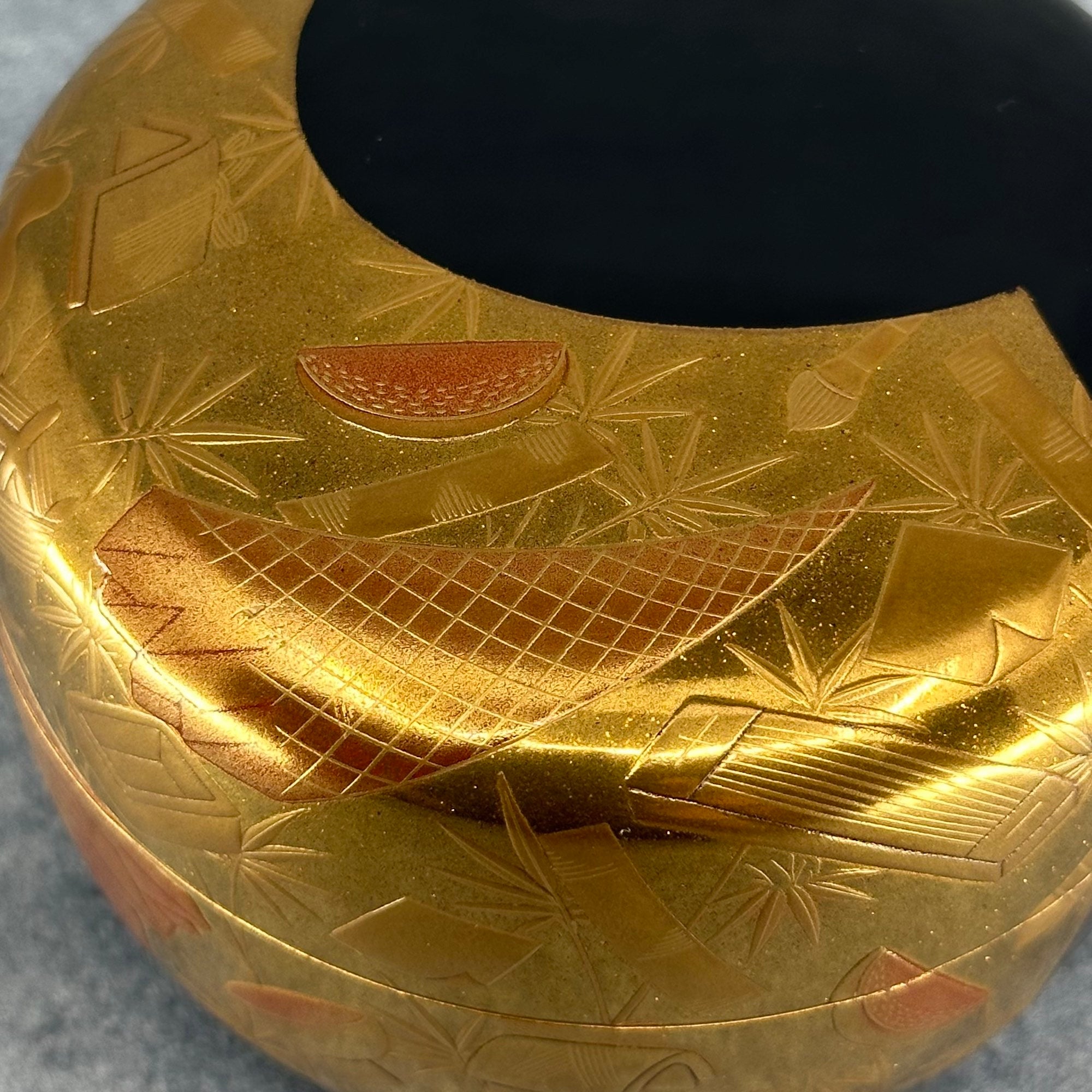
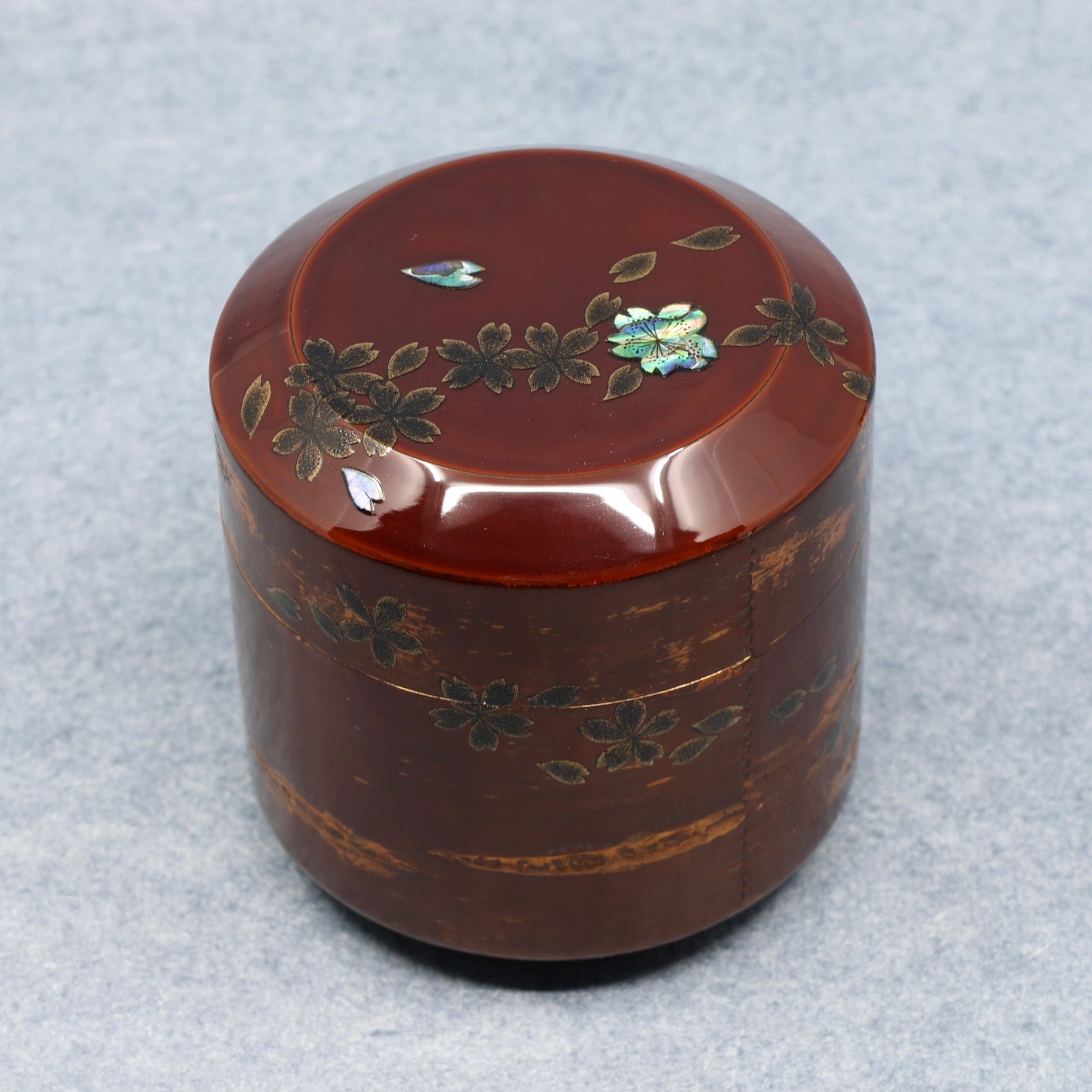
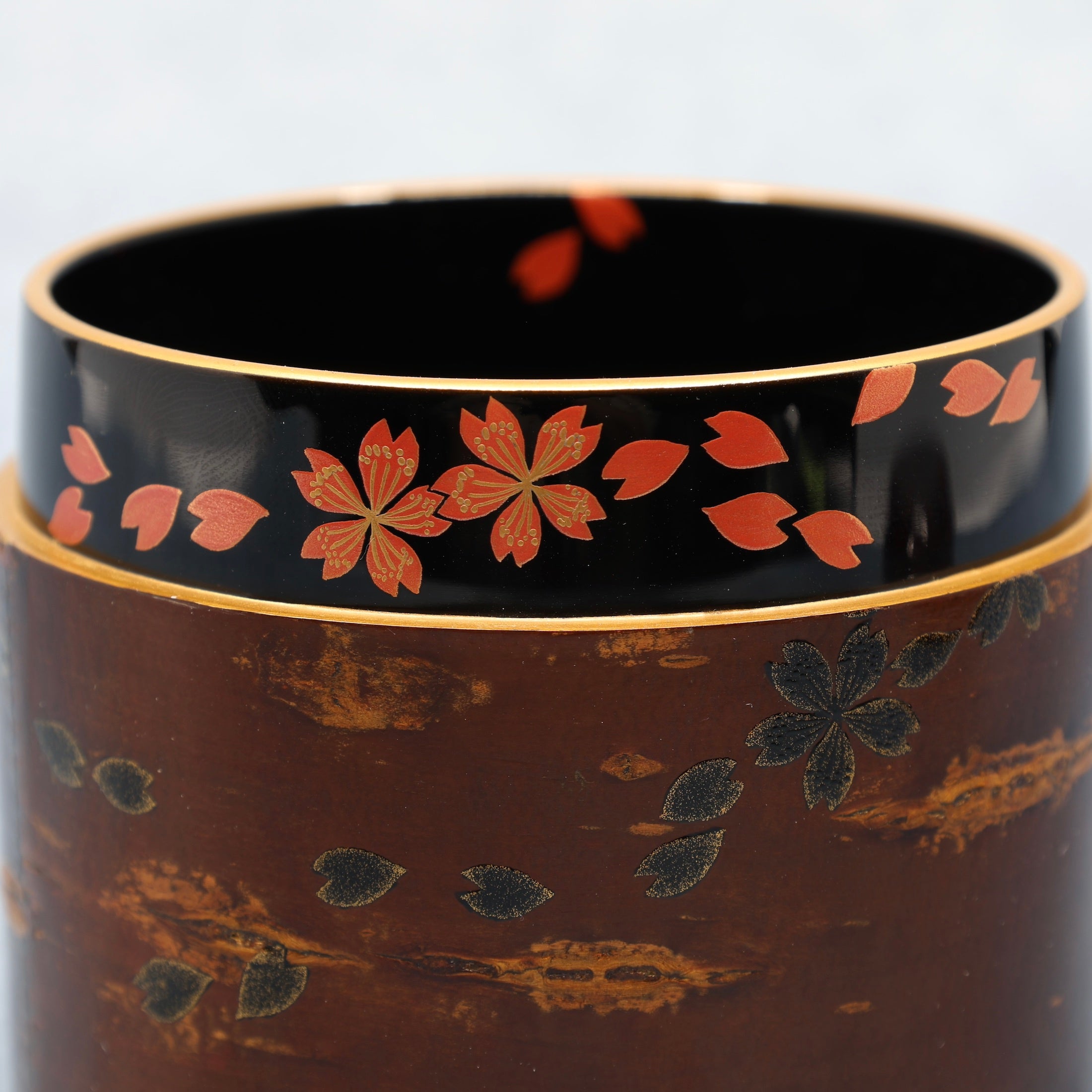
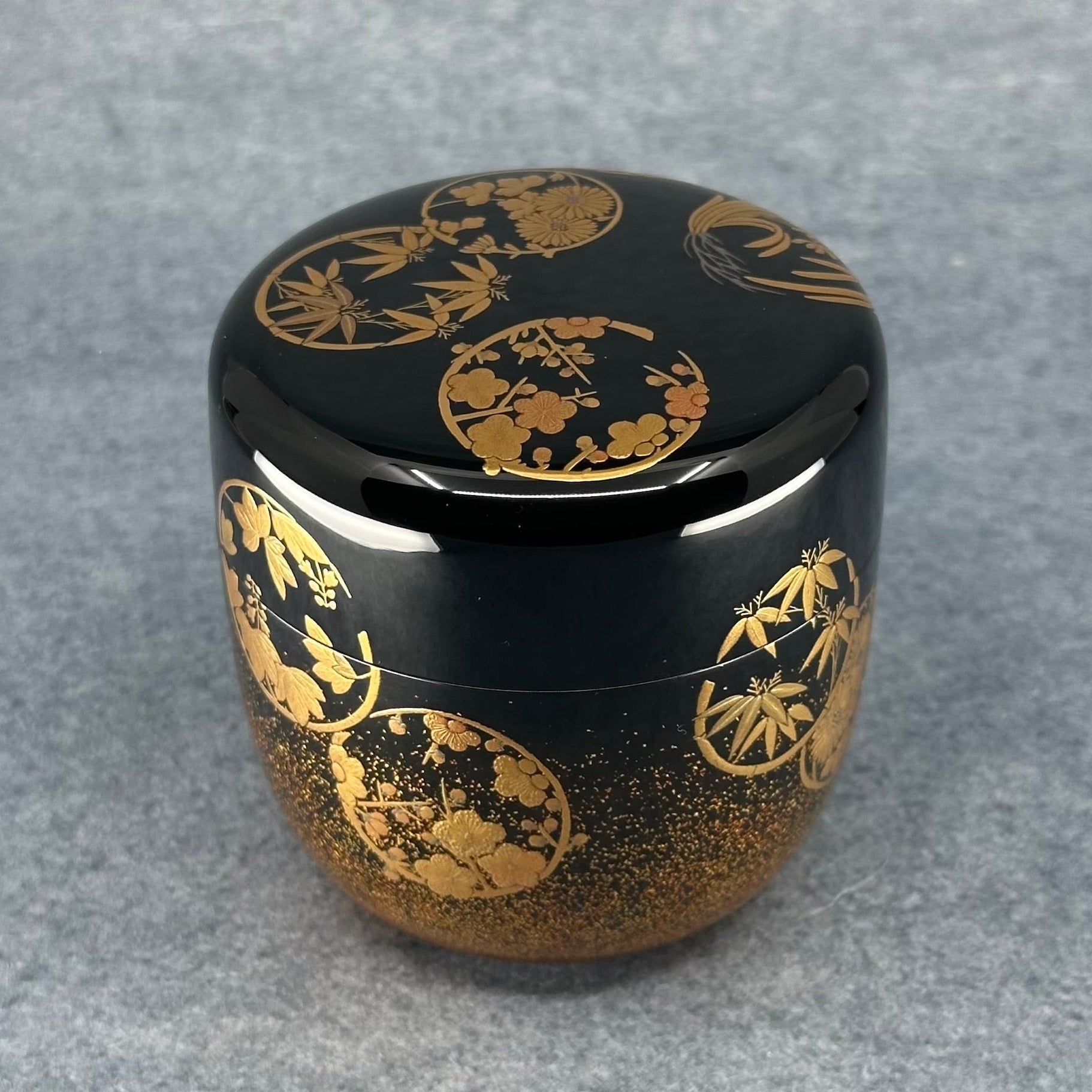
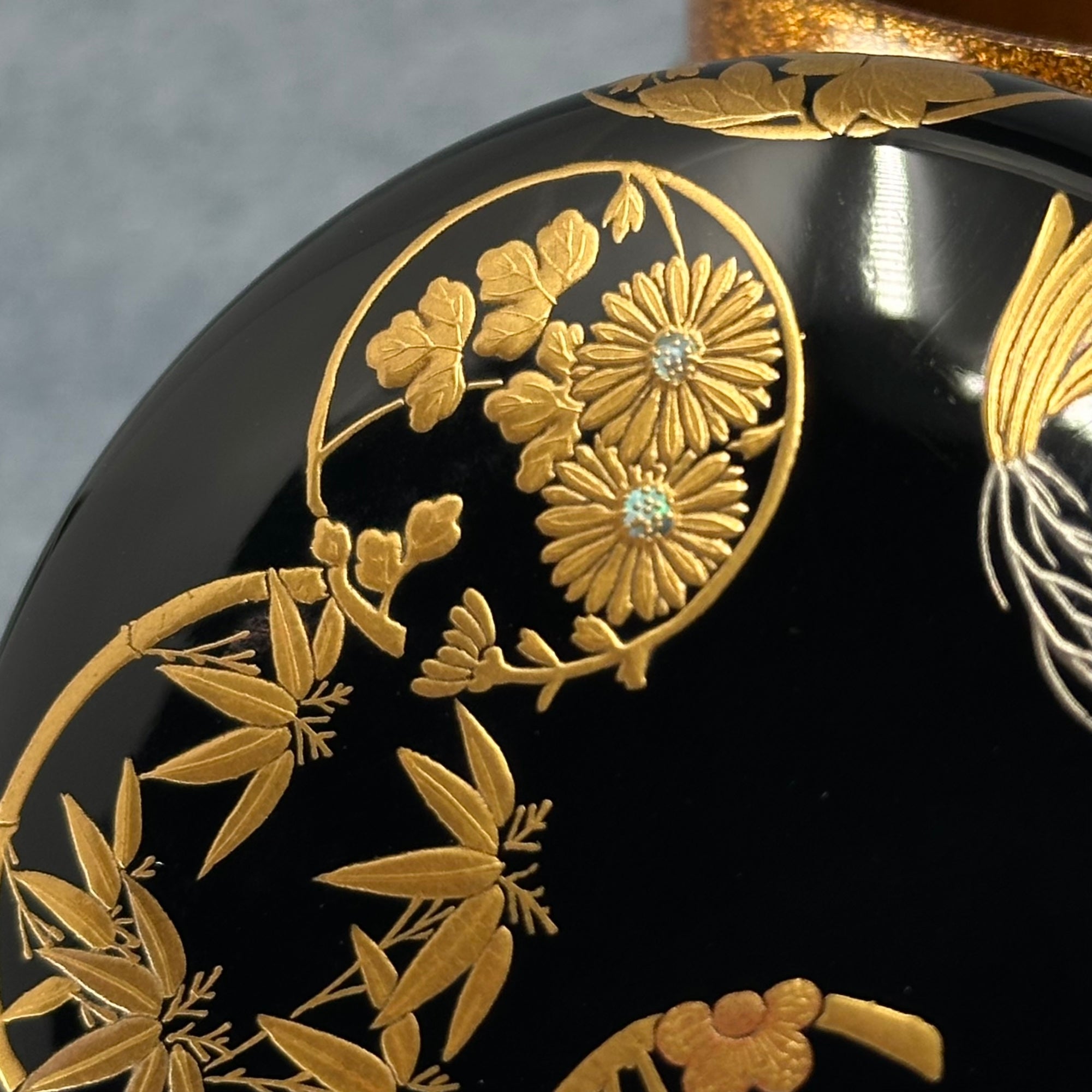
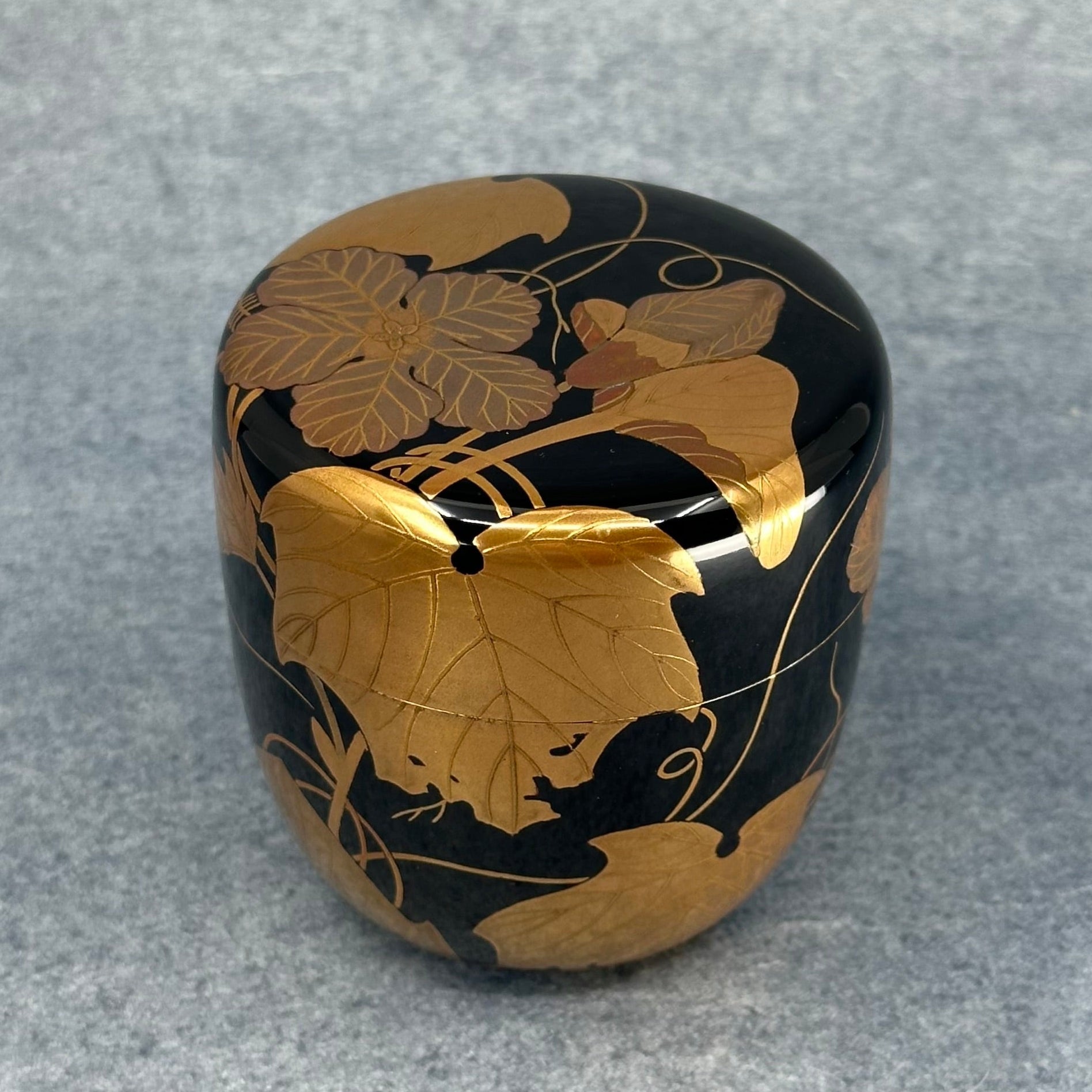
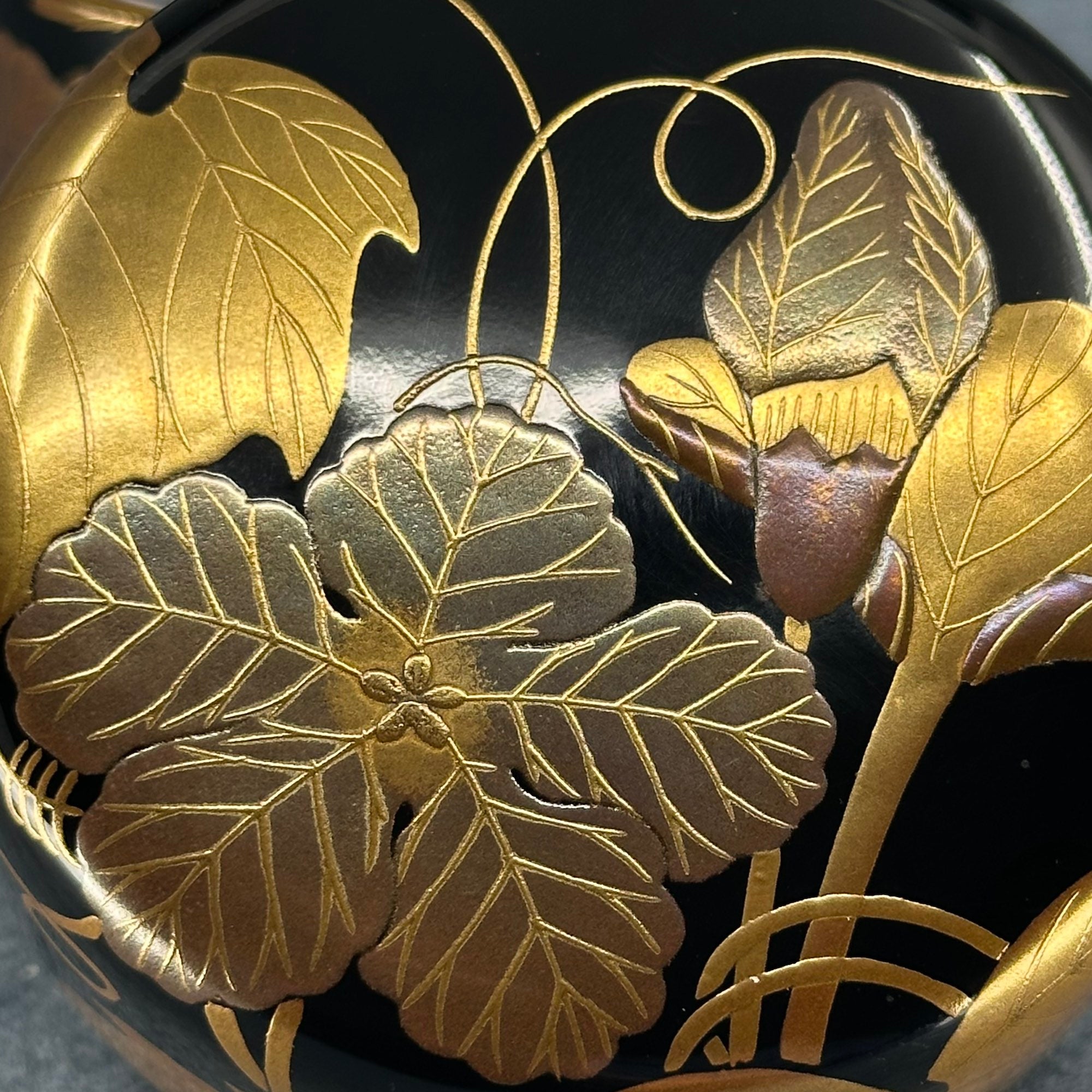
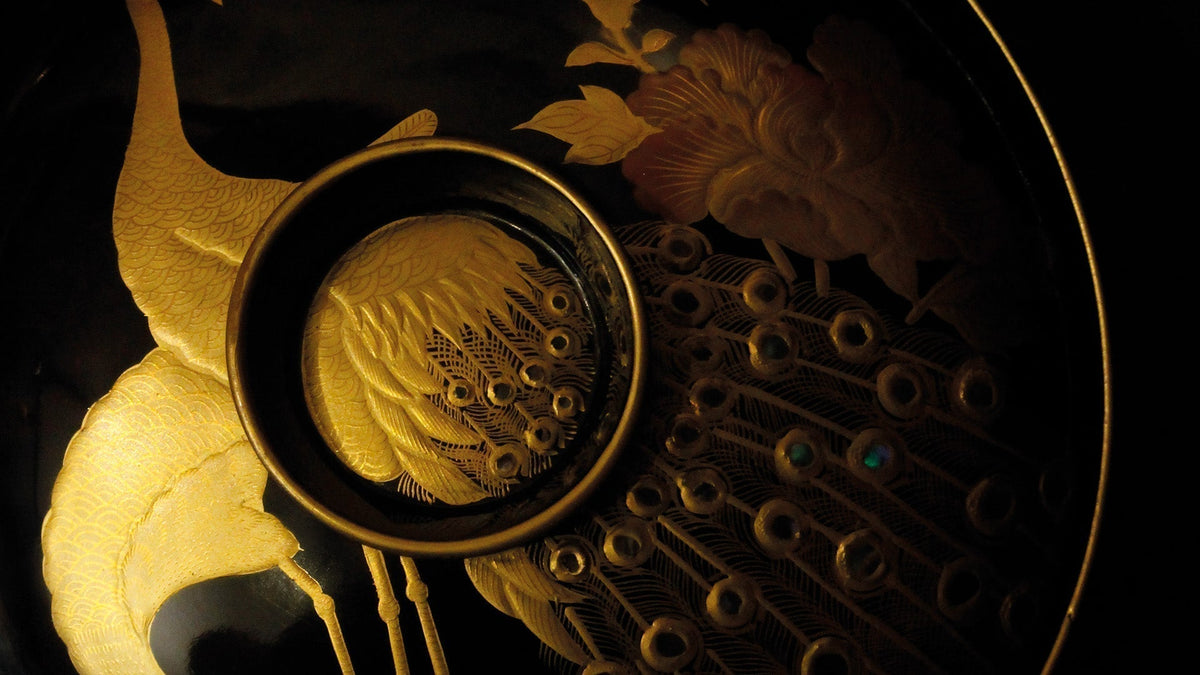
My visit to Tohoku was no accident. My journey was not a typical road trip. It was guided by a quest: to find lacquer artisans, discreet workshops, and rare techniques found nowhere else. The region boasts several renowned centers for the art of urushi, some names like Aizu-nuri or Hidehira-nuri resonating with connoisseurs.
In these remote areas, craftsmanship has retained a density, purity, and territorial rootedness that deeply moves me. Meeting these artisans meant straying from classic routes, crossing isolated valleys, sometimes missing the "must-sees" in guidebooks... but this gave the journey a very special flavor. Tohoku reveals itself in fragments, through sensations, without giving itself away at first glance.

Travel in Tohoku: Road Impressions
On the roads of Tohoku, another image of Japan emerges. One of a country without designer cafes, without polished storefronts, without crowds. An unvarnished Japan.
Here, it's a hiker's paradise. Fewer historical sites, but breathtaking panoramas. It's nature, people, and this rurality that initially surprises. No hordes of tourists like in Kyoto, no crowds. Complete tranquility. It's good for the soul.
It's also a perfect region for a first-time drive in Japan. Little traffic, very calm people on the road, sumptuous landscapes that remind you of the joy of driving at your own pace. The only constraint: frequent road maintenance work, but it doesn't detract from the fluidity of the journey. Outside of towns, the landscape becomes increasingly rural, sometimes even poor. You see many abandoned houses, ageless buildings, neither truly old nor truly modern. The architecture evokes fairly recent installations, almost like a "conquest of the North," a kind of gentle colonization of cold, isolated lands.

The locals, meanwhile, are disarmingly kind. Here, seeing a foreigner still sparks curiosity, and often joy. In a tiny museum in Iwate Prefecture, I was alone with a class of five or six-year-olds. For fifteen minutes, I was bombarded with questions. I taught them a few French words. Their shrill "au revoir" (in French) still echoes in my memory. A suspended moment.
The abandoned houses and simple architecture are undoubtedly linked to the harsh climate. Winter conditions are extreme in this part of Japan: unimaginable amounts of snow cover roofs and roads every year. Traditional wooden houses don't withstand it. People rebuild quickly, simply, functionally.
This road trip lasted six days. I covered nearly 1,200 kilometers (much more than indicated on the map below), far too much for such a short stay, but my itinerary was dictated by the discovery of lacquerware centers, often very far from each other. I deliberately missed many sites mentioned in guidebooks, due to lack of time and choices to make, but it wasn't frustrating because I know I will go back. The goal was elsewhere.

6-day itinerary in Tohoku: from Aizu to Aomori
Aizu-Wakamatsu (Fukushima Prefecture)
A quiet town, caught between nostalgia and slow modernization. In the often-empty lacquer museums, ancient objects leave you speechless. The history of lacquer is told without much fanfare, often only in Japanese (thank goodness for Google Translate!). Certain techniques, like Aizu-nuri, reveal their variety. In the evening in Aizu-Wakamatsu, there's an atmosphere that seems straight out of a Yasujiro Ozu film: a calm behind which you can sense daily routines, a somewhat nostalgic aesthetic, worlds coexisting. Learning to observe the imperceptible, an elegy to the mundane that lifts the veil on a Japan far removed from the stereotypical images we are fed.

Yamagata (Yamagata Prefecture)
Away from the city, the village of Hirashimizu was the lovely discovery of this stop. A handful of workshops, nestled on the mountainside and alive with birdsong. Potters work with local clay collected from the slopes of Mount Zao. The kilns are discreet but welcoming, the shapes familiar. Nothing spectacular, but something just right. Here, one feels the deep connection between earth, fire, and use.

Hiraizumi (Iwate Prefecture)
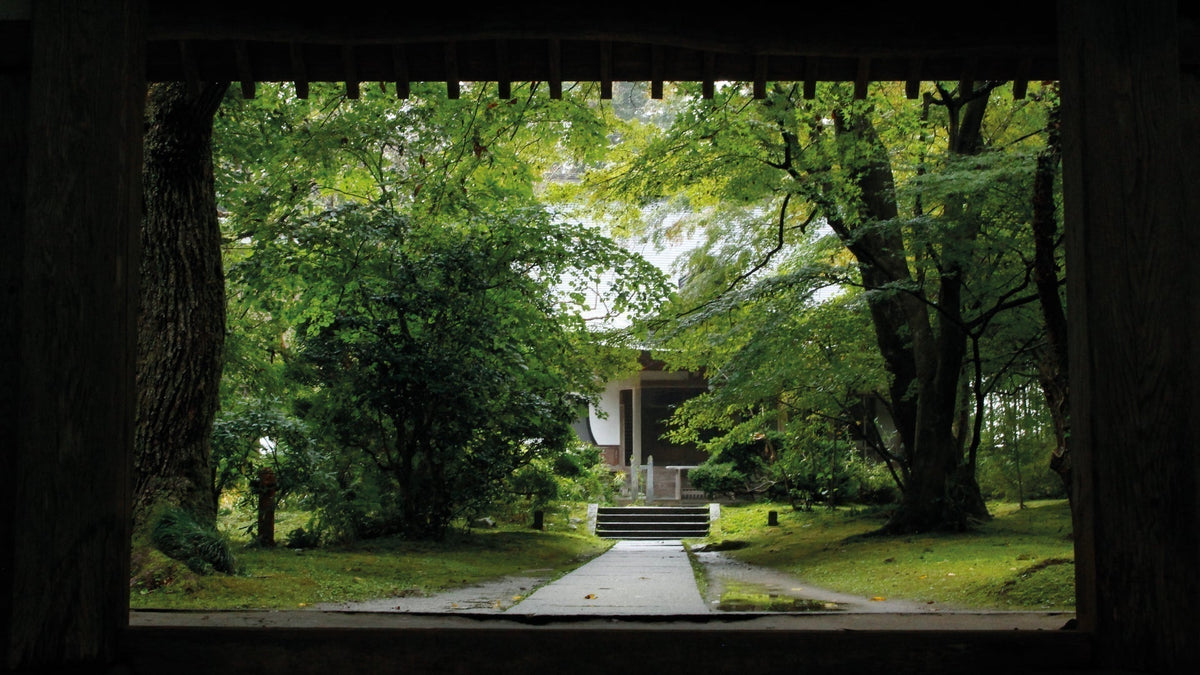
If I had to keep just one image of this endearing town: Chuson-ji Temple. It's still early, the temple has just opened its doors, there are smells of earth, dampness, and incense in the air. I hardly encounter anyone, except for a cat, a temple resident, who follows me and marvels with me. How is it possible to visit hundreds of temples in Japan and never get tired? Do you have to be wired in a particular way? I've heard someone say, "it's always the same." But nothing could be further from the truth, and those of you who love Japan know it well.
Chuson-ji is far from any classic tourist route, in the north of the main island of Honshu, in Iwate Prefecture, and slightly away from a small town called Hiraizumi, whose existence I barely knew before discovering that it preserved a rich tradition of lacquer craftsmanship. This temple was on my way before continuing north. It is one of my most beautiful memories of this journey in Tohoku.
A gentleness, nature in all shades of green and large dark, mysterious trees, scattered wooden pavilions where the only sounds come from the breath of the wind, raindrops falling on maple leaves, and your own footsteps that you wish to be as light as possible.
I encounter a huge toad at the entrance of a small pavilion, just as surprised as I am by this unexpected face-to-face. There is a pavilion entirely covered in gold, hidden from view inside another pavilion, a treasure that is not shared (in photos, at least). Of course, the whole site is a UNESCO World Heritage site.
Leaving Chuson-ji, I wondered if I would ever see it again (this need to always return to beloved places!). Perhaps not, but it will always remain a dazzling memory.

Kakunodate (Akita Prefecture)
In the old quarter of Kakunodate, the streets are wide, lined with black palisades. Time glides slowly here, as if slowed by the thickness of the walls. An ancient samurai town, it still preserves a dozen sublime historic residences, with low roofs, shaded courtyards where moss covers the stones and maples gently lean towards the hedges.
The houses, some still inhabited, seem to watch over a silent memory. A few are open to visitors, without unnecessary staging. You enter on tiptoe, greeted by the smell of old wood, worn tatami mats, and everyday objects left in their place.
In early autumn when I visited, the maples were slowly turning rust and fire-colored. The air was cooler, crisper. The light golden, low, almost melancholic. No crowds. Just the sound of footsteps on the gravel and, occasionally, a creaking shutter. Kakunodate naturally imposes its tranquil beauty, with muffled steps.

Tsuru-no-yu (Akita Prefecture)
While preparing my morning itinerary to connect Kakunodate to Morioka (Iwate Prefecture), I discovered the existence of Tsuru-no-yu (Crane Hot Spring 鶴の湯), which was not listed in the guides I had read about the region. An onsen hidden in the mountains, founded in the 17th century, and once frequented by samurai seeking rest and healing, with a legend stating that an injured crane was seen bathing in its waters to heal (hence its name): this was very inspiring!
The road to get there was sumptuous, becoming increasingly winding, the last part looking more like a wide mountain path than a road. At the end, it felt as if time had stopped in the 17th century: a few wooden houses with thatched roofs nestled in the hollow of a hill displaying its autumnal hues in the background, the steam from the outdoor baths and the ryokan's heating rising into the clear sky, a small impetuous river, a delightful end of the world, the quintessence of a fantasized Japan, with incredible charm.

Morioka (Iwate Prefecture)
A medium-sized city, without obvious charm, but with pleasant surprises including the somewhat surreal sight of Mount Iwate, the "Mount Fuji of the North," which you see approaching as the miles melt away, a beautiful volcano with a cone almost as impressive as its illustrious cousin. Morioka is a city where you can observe the work of cast metal, the patient gesture, the precision of the finishes.
Ninohe (Iwate Prefecture)
In the heights of Ninohe, hidden along small country roads, a forest of lacquer trees (urushi no ki), which alone justified this trip. A silent forest, an alignment of slender trunks striated with horizontal bands. The revitalization of these trees (today lacquer mainly comes from China) is so important. This is where it all begins, drop by drop, scar by scar. A few kilometers away, Tendai-ji Temple is deserted; you encounter jizō statues with red wool caps watching over the souls of children. Founded in the 8th century, this temple is at the origin of the region's lacquer tradition: monks used and transmitted knowledge here that shaped the local art of urushi. A monastic, silent place, lost in the vegetation. Nothing is staged. And that is precisely what is so touching.

Kazuno (Akita Prefecture)
A modest stopover town, almost without an image, a popular destination for its hot springs but without much charm, as if forgotten by the world. And yet, one of the great memories of the trip: a night and dinner in an exceptional guesthouse (to be found in the "where to stay" section)

Ōdate (Akita Prefecture)
This is where magewappa, or "bent wood," originates, a 400-year-old Japanese tradition of cutting thin strips of cedar (most often), which are then boiled to soften them and then bent around custom-designed forms. Workshops can sometimes be visited by appointment. You can smell the cedar, feel the warmth of the hands, the precision of the gesture. The assembly and fastening of the elements are done using pieces of cherry bark. Each element is worked to be perfectly in harmony. The entire process takes several weeks.

Hirosaki (Aomori Prefecture)
Hirosaki is a refined city, deeply marked by its culture. An ancient feudal city, with its castle, gardens, and temples, it has preserved a living heritage. I hadn't initially planned to visit the Neputa center. I expected a place far too touristy given the buses parked in the huge lot. In reality, it's quite the opposite. Here, you discover the immense lantern floats of the Hirosaki Neputa Matsuri, this summer festival where they are pulled through the streets, accompanied by percussion and deep chants. Out of season, they rest here, stored in the dim light, but still charged with tension. The painted faces (warriors, beautiful women in kimonos, demons) seem ready to come alive at the slightest breath.

Tsugaru (Aomori Prefecture)
More than a city, this is a region of forests and mists. Hiba wood, typical of this area, is dense, fragrant, and insect-resistant. It's used for constructions and everyday objects. The sawmills are discreet, but active. A noble material that permeates everything. Even the atmosphere seems different here: rougher, more mineral.

Aomori (Aomori Prefecture)
Last stop. Aomori is a modern city, oriented towards the sea and transport. No old town center, few traces of the past. You can feel the wind, the cold, the coming winter. Here, you return to modernity, to schedules, to trains. The Shinkansen departs south, to Tokyo then Kyoto. You leave Tohoku as if emerging from a slow dream, still enveloped by mountains, woods, and silence.
Renting a car and driving in Tohoku
To get around, I chose to rent a car from Nissan-Rent-a-car, because it is obviously, given the distances and remoteness of the sites from each other, and their isolation, the easiest way to be completely free to move around. It is surely not impossible to travel through Tōhoku by train and bus; the networks are always dense in Japan, but the schedules are more restrictive, of course, not to mention the locations in the middle of nature that don't see much public transport – or none at all. So, this option requires having plenty of time.
As a reminder, in Japan, they drive on the left (but the brain adapts very quickly once the steering wheel is "on the right side") and an international permit is not enough; you need a certified translation of your national driving license, done in Japan, so this must be anticipated several months before departure. In France, this translation can be done with the help of the agency Japan Experience. Once obtained, it is valid for the entire life of the driver's license that was used.
From Tokyo, I took the Shinkansen to Koriyama (1h40 journey) where I picked up the rental vehicle, to avoid leaving Tokyo and the long drive to Aizu-Wakamatsu, the first stop. You can ideally start the journey further north, and take the Shinkansen to Sendai (for me, Aizu was an important stop for my lacquer study, but for a "classic" Tōhoku discovery trip, it is absolutely not essential).

Accommodation in Tōhoku: Tried and Approved Addresses
The choice of accommodation is quite limited; the region lacks structures, so options are often business hotels near train stations (no charm) or small guesthouses (a great option but one I tried to avoid as I didn't want too many time constraints for arrivals and departures).
I did a lot of research to find charming places, which sometimes required going to towns or villages I would never have visited otherwise. I optimized the itinerary accordingly, to avoid losing too much time while still treating myself occasionally (because for me, accommodation is never just functional; it contributes to the pleasure of the trip).
In Aizu-Wakamatsu: Ryokan Tagoto with a delicious (and gargantuan!) meal and absolutely charming hospitality. Can be booked on Booking.com
In Hiraizumi: Iris Yu, not exciting but functional and very well located. Can be booked on Booking.com
In Kakunodate: Machiya Hotel Kakunodate, great location, functional and well-maintained. Bookable on their website.
In Kazuno (a small hot spring town in the middle of nowhere between Ninohe and Tsugaru): Yuzaka, a fabulous guesthouse and an unforgettable vegan meal. The best surprise of the trip! Bookable by email.
In Tsugaru: Komoru. In an uninteresting area, an old, charmingly renovated house, very atypical, magnificent room and superb meal. Can be booked on Booking.com
All photos © Atelier Ikiwa.

© Atelier Ikiwa – Laurence Corteggiani. Photographs and texts protected. Reproduction prohibited without authorization.